
Choosing the right guitar strings is one of the most direct ways to influence your instrument’s playability, tone, and maintenance schedule.
D’Addario XS strings represent a modern approach to coated string technology, designed to protect the metal from sweat, oils, and environmental moisture.
Unlike regular strings, which leave the metal wire completely exposed to the elements, these strings utilize an ultra-thin protective film to extend playability and preserve fresh tone.
Products mentioned in this guide
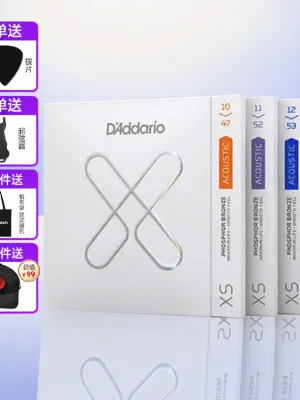
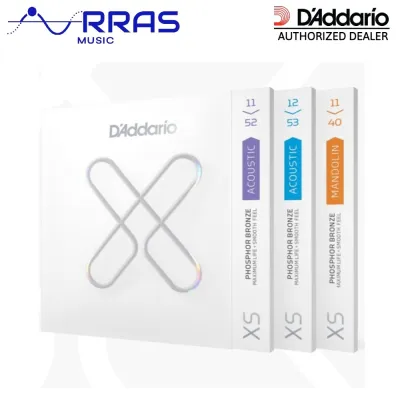
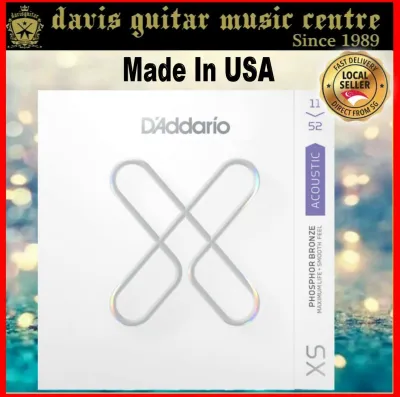
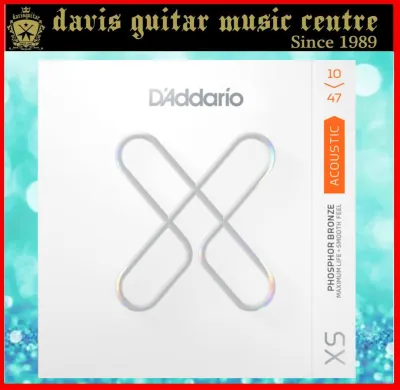
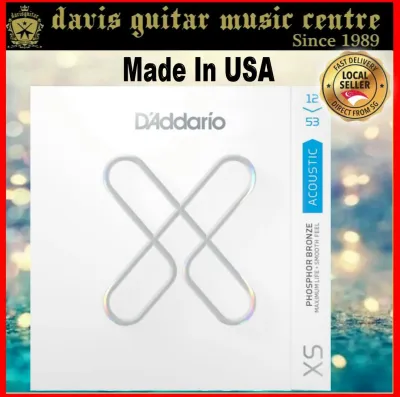
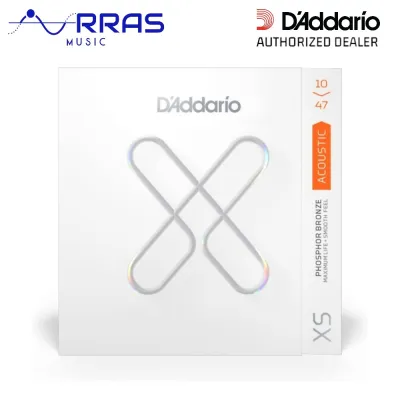
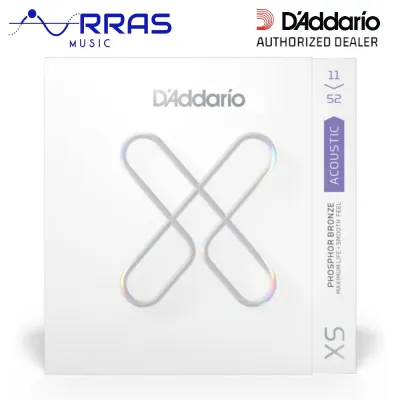
Prices are valid at publication and may change. Please refer to the product page for the latest price.
Understanding how these coated strings differ from traditional options helps you make an informed decision at the music store.
While regular strings offer a familiar, raw texture and a lower initial price point, they are highly susceptible to corrosion, especially in humid environments.
By examining the structural specifications, physical feel, and tonal characteristics of the XS series, you can determine whether upgrading to a coated set aligns with your playing style and budget.
Core Specifications and Coating Technology of D'Addario XS
To understand what sets these strings apart, you must look at the construction details provided on the official product packaging and manufacturer documentation.
The XS series features an incredibly thin film coating that completely covers the wound strings, protecting the gaps between the wraps from dirt, skin oils, and sweat.
Additionally, the plain steel strings in these sets receive a unique dispersion treatment designed to offer similar corrosion resistance across the entire fretboard.
These specifications vary slightly depending on whether you play acoustic or electric guitar, so checking the material designation—such as phosphor bronze for acoustic or nickel-plated steel for electric—is a crucial first step.
When selecting a set, it is essential to verify the core wire material and construction specs.
These strings utilize a high-carbon steel core, which is engineered to improve tuning stability and break resistance compared to standard bronze or nickel-plated steel cores.
Checking the specific gauge and tension charts on the back of the packaging ensures that the strings will fit your guitar’s nut slots and maintain proper neck tension without requiring a complete truss rod adjustment.
The manufacturer’s stated design goals focus on delivering maximum protection with minimal impact on the string’s natural vibration.
Rather than relying on unverified performance claims, players can observe the physical specifications: the coating is measured in microns, aiming to prevent the damp, muffled feel historically associated with older coated string designs.
Reviewing these official specifications allows you to match the string’s physical properties to your guitar’s setup requirements.
Coated vs. Regular Strings: Evaluating the Practical Differences
The most immediate difference you will notice between coated and regular strings is the physical feel under your fingers.

Regular strings have a distinct, tactile texture that provides a high level of grip, which some players prefer for precise bending and tactile feedback.
In contrast, the micro-thin coating on the XS series creates a noticeably smoother surface, reducing finger squeak during slides and offering a slicker playing experience that can ease finger fatigue during long sessions.
This smooth barrier also prevents debris from accumulating in the microscopic gaps between the outer wrap wire and the inner core, which is the primary cause of premature string death.
Tonal characteristics also differ between the two designs, presenting a clear trade-off for your consideration.
Freshly installed regular strings are known for their bright, metallic bite and immediate response, though this peak brightness tends to fade quickly as dirt accumulates.
Coated strings typically exhibit a slightly warmer, more focused tone out of the box, but they maintain this consistent acoustic profile over a much longer period, avoiding the rapid drop-off in sustain and clarity that affects uncoated wire.
Environmental factors play a massive role in how quickly your strings degrade.
In warm, highly humid tropical climates like Singapore, airborne moisture and hand sweat accelerate rust and oxidation on uncoated steel.
You can monitor this degradation by watching for physical signs such as dark discoloration, a rough texture on the underside of the strings, and a sudden loss of intonation.
While regular strings may begin to feel stiff and sound dull within weeks under these conditions, coated strings are designed to resist this environmental wear, keeping their smooth texture intact.
Decision Guide: Are D'Addario XS Strings Right for You?
Deciding whether to invest in coated strings depends largely on your playing habits, maintenance preferences, and budget.
If you have highly acidic sweat, play frequently in humid venues, or simply dislike the chore of changing strings every few weeks, the protective coating offers clear practical benefits.
The reduced need for frequent string changes makes them highly convenient for gigging musicians who require reliable performance night after night.
Conversely, regular uncoated strings remain an excellent choice for specific scenarios.
If you prefer the raw, high-friction feel of bare metal or demand the absolute brightest initial tone for a critical studio recording session, standard strings are often preferred.
Furthermore, if you operate on a strict budget or enjoy the ritual of fresh string changes, the lower upfront cost in S$ of regular strings makes them a highly practical alternative.
Before making a purchase, use a simple checklist to ensure compatibility.
First, verify that the gauge matches your current guitar setup to avoid nut binding or neck bow.
Second, test a coated instrument if possible to ensure you enjoy the slicker physical feel.
Finally, compare the long-term cost of buying multiple regular sets against the single, higher upfront investment of a coated set to see which path makes the most financial sense for your playing frequency.
If you are transitioning from regular strings for the first time, sticking to your preferred gauge is highly recommended to isolate and evaluate the feel of the coating itself.
Frequently Asked Questions (FAQ)
Do coated strings require different cleaning or maintenance routines?
Yes, coated strings benefit from a gentler maintenance routine to preserve the protective film.
You should avoid using harsh liquid string cleaners, solvents, or abrasive scrubbing tools, as these chemical agents can prematurely strip or dissolve the micro-thin coating.
Instead, the most effective practice is to use a clean, dry microfiber cloth to wipe down each string thoroughly after every playing session, removing surface oils and sweat without damaging the protective barrier.
Can I mix D'Addario XS strings with regular strings on the same guitar?
While it is physically possible to mix coated and uncoated strings, doing so is generally not recommended.
Mixing different string types can lead to inconsistent tension across the fretboard, an uneven physical feel when transitioning between strings, and an unbalanced volume and tonal output.
To ensure stable intonation, predictable playability, and uniform aging across all six strings, it is best to install a fully matched set.

Community discussion
Share your experience or ask a question. Comments are reviewed before publication.