
Quick Answer: Which D'Addario String Line Fits Your Needs?
Selecting the right guitar strings is one of the most direct ways to influence your instrument’s playability, tone, and maintenance schedule. If you are deciding between D’Addario’s premium options—specifically the XS, XT, and NYXL series—your choice will ultimately come down to how you balance tactile feel, tonal brightness, and resistance to environmental wear.
For players who prioritize maximum lifespan and a slick, low-friction feel, the D’Addario XS series is the primary recommendation. Its film-coating technology completely seals the wound strings from sweat and moisture, making it highly effective in humid climates.
If you want extended string life but prefer the natural, tactile grip of an uncoated string, the D’Addario XT series is the ideal choice. It utilizes a micro-thin treatment rather than a full film wrap, preserving the traditional texture of the metal.
Products mentioned in this guide
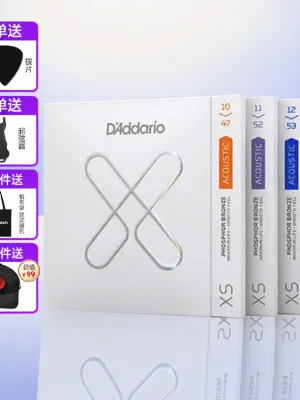
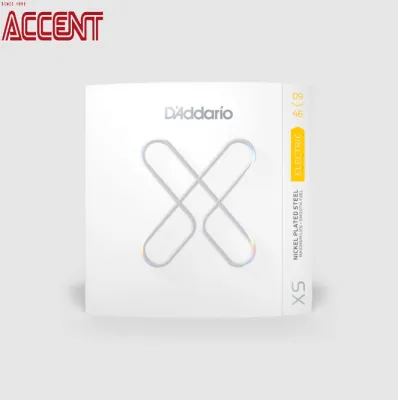
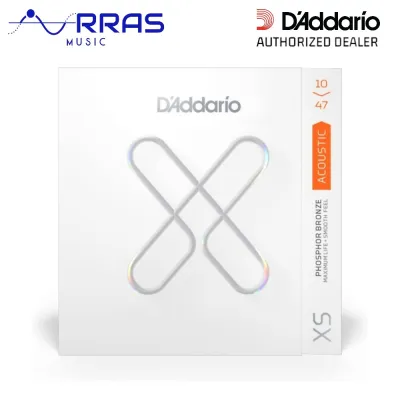
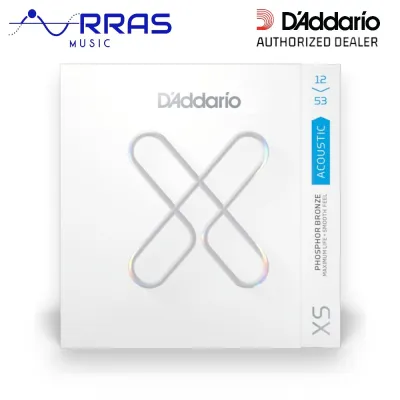
Prices are valid at publication and may change. Please refer to the product page for the latest price.
For those who prioritize maximum high-end clarity, tuning stability, and a completely natural, uncoated feel, the D’Addario NYXL series is the standard. It relies on advanced material engineering rather than a protective coating to deliver high output and break resistance.
Before making a final purchase, always verify your specific guitar’s compatibility, preferred gauge, and personal tactile comfort, as these factors directly impact your playing experience.
Understanding the Core Construction and Coating Differences
To choose the right strings, it is essential to understand how these three lines differ in their physical construction. The way a string is manufactured directly dictates how it responds to your fingers and how it resists corrosion over time.

The D’Addario XS series represents the brand’s most comprehensive protective technology. On wound strings, XS features an ultra-thin film coating that is wrapped over the entire string assembly. This film completely seals the gaps between the wrap wire winds, preventing skin oils, sweat, and dust from settling in the crevices. The plain steel strings in an XS set also receive a unique polymer treatment. This complete barrier design minimizes oxidation but alters the physical profile of the string, making the surface exceptionally smooth.
In contrast, the D’Addario XT series takes a different approach to longevity. Instead of wrapping the finished string in a film, XT applies a micro-thin hydrophobic treatment to every individual wire before it is wound. This means the physical gaps between the wrap wire winds remain open, just like on a standard uncoated string. Because there is no continuous film covering the surface, the string retains its natural physical texture while still benefiting from a chemical barrier against moisture.
The NYXL series stands apart from both XS and XT because it is entirely uncoated. NYXL strings do not feature any polymer films or chemical moisture treatments. Instead, their design focuses on premium metallurgy. They are constructed with a proprietary high-carbon steel core and reformulated nickel-plated steel wrap wire. The goal of this construction is to maximize magnetic permeability and structural strength, offering superior tuning stability and a punchy mid-range response without altering the natural metal-on-finger contact.
These structural differences inherently affect the physical properties of the strings. The continuous film on XS strings adds a tiny amount of mass and dampens high-frequency finger squeaks, resulting in a slightly warmer, more focused tone. The micro-thin treatment on XT strings preserves the natural vibration and flexibility of the wire, maintaining a brighter acoustic response. NYXL strings, free of any dampening coatings, offer the most direct physical connection, allowing the string to vibrate with maximum harmonic richness and natural flexibility.
Evaluating Tone, Feel, and Durability Trade-offs
Every design choice in string construction involves a trade-off between tone, tactile feel, and durability. Understanding these trade-offs allows you to match the strings to your specific playing environment and aesthetic preferences.
Tonal characteristics vary noticeably across the three lines. XS strings deliver a smooth, consistent, and slightly warm tone. Because the film coating prevents dirt from deadening the string, this tone remains virtually unchanged for a long period, though it may lack some of the initial high-end sparkle found in uncoated sets. XT strings offer a brighter, more traditional bite that closely mimics standard strings, providing a balanced acoustic or electric response with a slightly extended tonal peak. NYXL strings provide the highest output and mid-range presence, delivering a punchy, clear tone with excellent harmonic sustain that cuts through dense musical mixes.
Tactile feel is another critical differentiator. The XS series is characterized by a highly slick, low-friction surface. This makes sliding up and down the fretboard effortless and significantly reduces finger noise, which is highly beneficial for recording. However, some players find this slickness makes the strings feel slippery, particularly during precise bends. XT strings retain the natural, high-friction texture of the metal wrap, offering a familiar grip that allows for aggressive bending and vibrato without slipping. NYXL strings provide the classic, uncoated feel, offering maximum physical feedback and a reassuring grip for players who rely on tactile resistance.
Durability expectations are heavily influenced by your local environment. In tropical climates with high humidity, such as Singapore, airborne moisture and sweat accelerate oxidation, causing standard strings to rust and lose their tone quickly. XS strings offer the highest level of environmental protection, making them exceptionally durable against sweat and humidity. XT strings provide moderate protection, extending the lifespan of the strings compared to standard sets, but they require regular wiping to maintain their performance. NYXL strings, being uncoated, are the most vulnerable to environmental oxidation, though their high-carbon steel core ensures they remain physically robust and resistant to breakage under heavy playing.
Tension and break resistance are also key considerations. Both XT and NYXL utilize D’Addario’s high-carbon steel core wire, which enhances tuning stability and resists breakage during aggressive playing styles. XS strings also incorporate this core technology, meaning all three lines offer excellent structural integrity. However, the presence of the polymer coating on XS can make the strings feel slightly stiffer under the fingers compared to the highly flexible NYXL series, even when using identical gauges.
Decision Framework: Matching Strings to Your Playing Style
To finalize your choice, it is helpful to evaluate your playing style, genre preferences, and typical performance environments against the strengths of each string line.
Choose D’Addario XS if your primary goal is maximum string lifespan and you want to minimize the frequency of string changes. This line is highly recommended for players living in hot, humid climates or those who suffer from highly acidic sweat that quickly corrodes metal. The slick, low-friction surface of XS is also ideal for modern progressive metal players, jazz guitarists, and acoustic fingerstylists who want to eliminate finger squeak during fast position shifts.
Choose D’Addario XT if you want the benefits of an extended-life string but refuse to compromise on the traditional feel and grip of uncoated metal. This series is perfect for blues, rock, and country players who perform frequent, wide string bends and require a tactile grip to maintain pitch control. XT provides enough corrosion resistance to survive sweaty gigs while preserving the natural acoustic resonance and snap of your instrument.
Choose D’Addario NYXL if you are a tone purist, studio musician, or heavy performer who demands maximum output, rich harmonics, and absolute tuning stability. If you regularly use tremolo systems, perform aggressive whammy bar dives, or play in drop tunings, the structural strength of the NYXL core wire will keep your guitar in tune far better than standard strings. Because they are uncoated, they are best suited for players who do not mind changing their strings regularly to maintain peak brightness.
When selecting your strings, remember that you can fine-tune the tension and tone by adjusting your gauge choice. For example, if you love the corrosion resistance of XS but find them slightly stiff, you might consider dropping down half a gauge to achieve your desired flexibility. Conversely, if you play NYXL and want a beefier tone for rhythm playing, stepping up to a heavier bottom set can add low-end punch without sacrificing high-end clarity.
Pre-Purchase Checks: Specs, Versions, and Authenticity
Before purchasing your next set of strings, taking a few moments to verify the specifications and authenticity of the product will ensure you get the best performance and avoid costly setup issues.
First, verify the gauge set and scale length compatibility for your specific guitar. Installing a gauge that is significantly heavier or lighter than your current setup can alter the tension on the neck, requiring a truss rod adjustment to maintain proper action and intonation. Additionally, ensure the string length is compatible with your instrument’s scale, especially if you play a baritone, short-scale, or multi-scale guitar.
Second, double-check the instrument type on the packaging. It is easy to accidentally purchase acoustic phosphor bronze strings when you need electric nickel-plated steel, or vice versa. Acoustic strings require different tension profiles and will not interact properly with electric guitar pickups, while electric strings will sound thin and acoustic-starved on an acoustic guitar. Ensure the ball-ends and bridge pin compatibility match your instrument’s bridge design.
Third, protect yourself against counterfeit products, which are common on various online marketplaces and ecommerce platforms. Authentic D’Addario strings are packaged in a highly recognizable, heat-sealed inner poly bag that protects the strings from environmental moisture before they are opened. Look for the official security seals and the unique serial code printed on the packaging.
Finally, verify the freshness of the strings. You can enter the unique serial code on the official D’Addario website to confirm the product’s authenticity and register for player rewards. Avoid purchasing packages that show signs of water damage, tearing, or broken seals, as exposure to air during storage can initiate the oxidation process long before the strings are installed on your guitar.
Frequently Asked Questions (FAQ)
Can I mix D'Addario XS, XT, and NYXL strings on the same guitar?
While it is physically possible to mix different string lines on a single instrument, doing so is generally not recommended. Mixing strings with different construction methods—such as combining a coated XS string with an uncoated NYXL string—creates significant inconsistencies across your fretboard. The coated strings will feel noticeably slicker and sound warmer, while the uncoated strings will feel grippier and sound brighter. This mismatch can disrupt your tactile feedback, make your volume and tone uneven across strings, and potentially complicate your guitar’s intonation setup. For the most balanced playing experience, it is best to install a complete, matched set.
Do coated strings like XS and XT require different cleaning routines?
Yes, coated and treated strings require a gentler maintenance routine to preserve their protective layers. After every playing session, simply wipe the strings down with a clean, dry microfiber cloth to remove sweat and skin oils. You must avoid using harsh liquid string cleaners, chemical solvents, or alcohol-based fast-fret products on XS or XT strings. These substances can chemically degrade or strip away the ultra-thin polymer film on XS strings or the micro-thin treatment on XT strings, prematurely exposing the metal to oxidation and defeating the purpose of the coating. Stick to dry wiping, and always check the manufacturer’s product labels for specific care instructions.
Community discussion
Share your experience or ask a question. Comments are reviewed before publication.