
Quick Answer: How Size, Scale, and Tongues Shape Your Sound
When choosing a steel tongue drum, three primary specifications dictate your playing experience: physical size, tongue count, and musical scale. Physical size controls the instrument’s resonance, volume, and depth of tone. The tongue count determines the melodic range and complexity of the music you can play, while also influencing how easy it is to avoid mistakes. Finally, the chosen scale permanently locks the drum into a specific emotional mood, meaning you cannot easily switch keys as you would on a guitar. By understanding how these specifications interact, you can confidently select an instrument that matches your musical goals, skill level, and lifestyle.
Drum Size: How Diameter Dictates Resonance and Portability
The physical diameter of a steel tongue drum is the primary factor governing its acoustic footprint. Drums typically range from compact 6-inch models to substantial 14-inch instruments. Small drums, measuring 6 to 8 inches, produce bright, high-pitched tones. Because their internal air cavities are small, they have a shorter sustain, meaning the notes decay quickly. These diminutive models are highly portable, making them excellent choices for travel, desk use, and young children.

In contrast, medium to large drums—ranging from 10 to 14 inches—offer a deeper acoustic experience. The larger physical cavity allows low frequencies to develop fully, resulting in deep bass notes and rich overtones. The sustain on a larger drum is significantly longer, creating a lush, enveloping soundscape valued in meditation and sound healing. Additionally, the overall height of the drum’s body cavity affects low-end projection, as a deeper body increases the volume of air vibrating inside the instrument.
Products mentioned in this guide



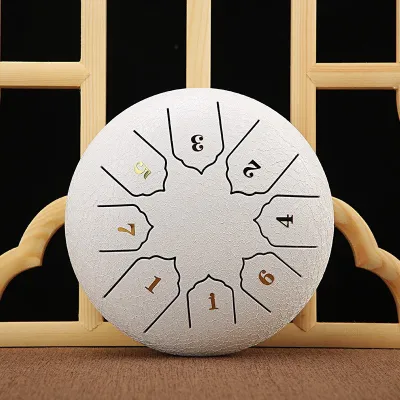
Prices are valid at publication and may change. Please refer to the product page for the latest price.
However, choosing a drum size involves a practical trade-off between sound quality and portability. While a 14-inch drum delivers a majestic, room-filling sound, it is heavy and awkward to transport. If you plan to carry your drum to outdoor parks, community centers, or wellness studios, a 10- or 12-inch model represents an excellent middle ground, offering a robust bass response without becoming a physical burden to carry on public transit.
Tongue Count: Balancing Melodic Range and Playability
The number of tongues cut into the steel surface dictates the musical versatility of the instrument. Each tongue is tuned to a specific note, meaning the tongue count directly limits or expands your melodic options. Drums with low tongue counts, typically 6 to 8 tongues, are designed for simplicity and intuitive play. Because they feature fewer notes, they are almost impossible to play incorrectly; every sequence of strikes sounds naturally harmonious. This makes them ideal for mindfulness meditation and absolute beginners.
For those who wish to play recognizable songs, medium tongue counts of 11 to 13 tongues represent the industry sweet spot. This range usually covers a full octave or more, giving you enough notes to play a wide variety of traditional folk songs, popular melodies, and simple chords. It provides a satisfying balance, offering enough musical depth to keep you engaged without overwhelming you with too many choices.
High tongue counts of 15 or more tongues are engineered for advanced players. These instruments offer a broad melodic range, complex chord voicings, or even dual-scale layouts. However, more tongues require a larger surface area or tighter spacing. This physical layout means individual tongues must be smaller and placed closer together, requiring high striking precision. If you prefer playing with your fingers, a crowded tongue layout can make it difficult to avoid accidentally striking adjacent tongues.
Musical Scales: Choosing the Right Mood and Versatility
Unlike standard instruments that can be retuned on the fly, a steel tongue drum is physically tuned to a specific scale during manufacturing. This means the scale you choose determines the permanent emotional character of your drum. Pentatonic scales are highly recommended for beginners and sound therapists. Built on a five-note sequence, pentatonic scales completely eliminate dissonant intervals. No matter which tongues you strike, the notes will blend beautifully, making it the ultimate tool for stress-free, intuitive improvisation.
If you want to play specific songs or jam with other musicians, a diatonic scale (either Major or Minor) is essential. Major scales have a bright, cheerful, and uplifting character, making them perfect for happy melodies and traditional songs. Minor scales, on the other hand, carry a melancholic, mysterious, or deeply meditative tone, which is highly effective for introspective playing and deep relaxation. Diatonic scales allow you to play standard Western music, but they do introduce the possibility of playing dissonant notes if struck out of order.
Exotic or specialized scales, such as the Middle Eastern-inspired Hijaz or the Japanese Yo scale, offer unique cultural soundscapes. While beautiful, these scales are highly specialized and make it difficult to play standard Western melodies. Because the physical cuts in the steel permanently define the notes, you must verify the scale, layout, and authorized source before purchase to ensure it matches your intended repertoire.
Secondary Specs: Steel Alloy, Thickness, and Strikers
Beyond size and scale, the materials and accessories included with your drum significantly influence its tone and longevity. The choice of steel alloy is particularly critical. Carbon steel drums produce warm, earthy, and highly resonant tones, but they are highly susceptible to rust. If you live in a humid tropical climate like Singapore, carbon steel requires regular maintenance, including the application of protective oils, to prevent corrosion. Stainless steel, while producing a slightly brighter and crisper tone, is highly resistant to rust and humidity, making it a low-maintenance, durable choice for damp environments.
The thickness of the drum’s steel walls also affects the sound. Thicker steel generally provides a louder volume, longer sustain, and greater stability under heavy strikes, whereas thinner steel yields a softer, more delicate tone that is easily over-driven if struck too hard.
Finally, how you strike the drum alters its voice. Playing with the included rubber-tipped mallets produces a loud, clear, and bright tone with immediate attack, which is helpful for small tongues that are hard to activate. Playing with bare hands requires larger tongues and a practiced bouncing technique, but it rewards you with a softer, warmer, and more intimate sound.
Matching Specs to Your Skill Level and Musical Goals
To find the perfect steel tongue drum, match these technical specifications to your specific goals:
- The Casual Beginner or Sound Healer: Look for a compact 6 to 8-inch drum with 8 to 11 tongues tuned to a Pentatonic scale. This setup guarantees a relaxing, mistake-free experience that is highly portable and budget-friendly.
- The Melodic Hobbyist: Choose a medium 10 to 12-inch drum with 11 to 13 tongues in a Diatonic Major or Minor scale. This provides the perfect balance of portability, deep resonance, and melodic freedom to play your favorite songs.
- The Advanced Musician or Performer: Opt for a professional 12-inch or larger drum with 15+ tongues. This offers the extensive range and complex layouts needed for intricate compositions and collaborative performances.
Frequently Asked Questions (FAQ)
Can I retune a steel tongue drum to a different scale?
While minor pitch adjustments of a few cents are sometimes possible by placing small magnetic weights under the tongues or carefully filing the metal, you cannot retune a steel tongue drum to a completely different scale. The fundamental pitch of each note is determined by the physical size and length of the cut tongue. Attempting to drastically alter the pitch will ruin the instrument’s structural integrity and acoustic resonance, making initial scale selection critical.
Does the color or finish of the drum affect its sound?
The color, paint, powder coating, or electroplated finish of a steel tongue drum has a negligible impact on its acoustic properties. The sound is almost entirely governed by the steel alloy, wall thickness, and tongue cuts. Finishes are primarily designed for aesthetic appeal and to protect the raw steel from moisture and rust, which is especially important for carbon steel models.
What is the difference between a steel tongue drum and a handpan?
Although they share a similar circular shape and meditative appeal, they are distinct instruments. Steel tongue drums produce sound through physically cut tongues that vibrate when struck, often using mallets. Handpans are much larger, hand-crafted instruments where notes are hammered into the steel shell as shallow dimples. Handpans are played exclusively with the hands, offer a more sensitive, airy, and dynamic sound, but are significantly more expensive and fragile than durable steel tongue drums.
Community discussion
Share your experience or ask a question. Comments are reviewed before publication.