
Choosing between a DiMarzio PAF (Patent Applied For) and other popular humbuckers comes down to balancing vintage warmth with modern output requirements. The DiMarzio PAF series is designed to capture the expressive, touch-sensitive qualities of late-1950s humbuckers, offering a distinct midrange focus and smooth treble response. However, finding the right match for your guitar requires comparing these vintage-style characteristics against the higher output, tighter bass, or scooped mids of alternative designs. By evaluating your musical genre, playing style, and physical guitar specifications, you can determine whether a classic PAF recreation or a more modern alternative will deliver the desired voice your rig needs.
Understanding the DiMarzio PAF Tonal Profile
The original Patent Applied For humbuckers from the late 1950s are celebrated for their dynamic range and clear, almost single-coil-like top end. DiMarzio’s approach to the PAF formula focuses on replicating these vintage qualities while addressing common historical inconsistencies. Vintage pickups were often wound inconsistently, leading to variations in tone and output. DiMarzio standardizes these designs, utilizing specific winding techniques and calibrated magnets to ensure reliable performance from one pickup to the next.
To understand the tonal profile, players must look at the technical specifications provided by the manufacturer. DiMarzio PAF models typically employ Alnico magnets—often Alnico II or Alnico V—which influence the pickup’s magnetic pull and overall frequency response. Alnico II magnets generally offer a softer, warmer attack with a sweeter high end, while Alnico V magnets provide a slightly brighter response and tighter low-end projection. The output of these pickups is relatively low to moderate compared to modern ceramic-magnet humbuckers, meaning they do not naturally push an amplifier into heavy distortion on their own, but instead preserve the natural acoustic voice of the instrument.
Products mentioned in this guide
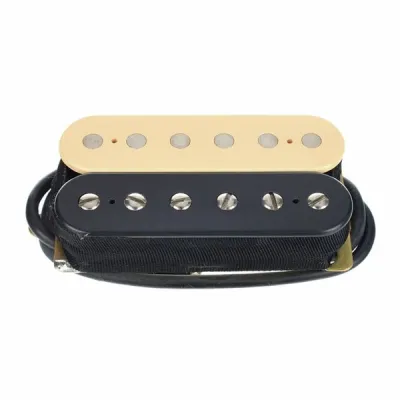
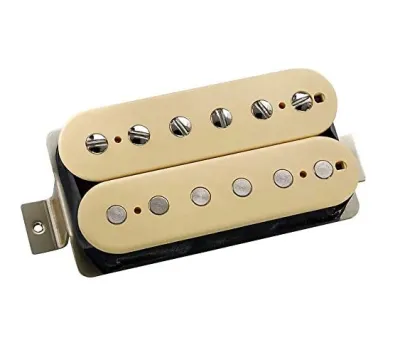
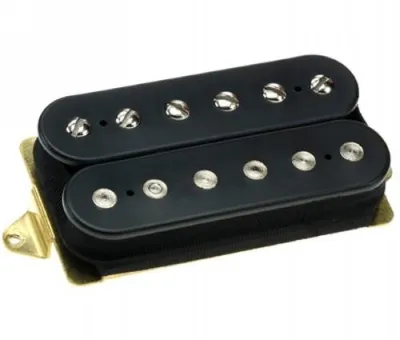
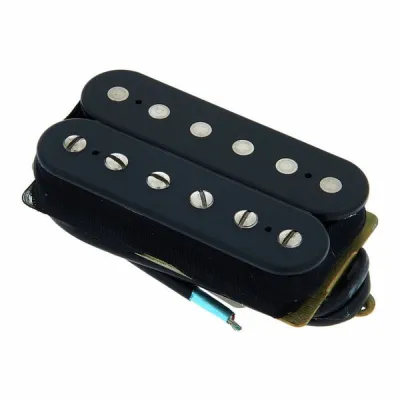
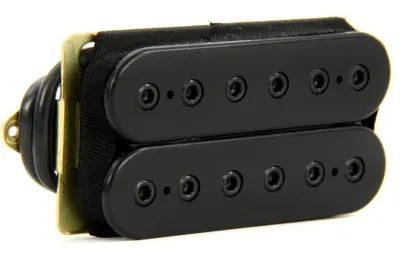
Prices are valid at publication and may change. Please refer to the product page for the latest price.
The hallmark of the DiMarzio PAF sound is its vocal-like midrange focus. Unlike modern high-output pickups that may scoop the mids to accommodate heavy distortion, a PAF-style pickup retains a rich middle-frequency presence. This design choice ensures that notes remain distinct and articulate, even when running through a dirty amplifier channel. The high frequencies are rounded and smooth rather than harsh, while the low end remains warm and pillowy, avoiding the sterile tightness found in contemporary metal-focused pickups.
Comparing Core Tonal and Hardware Dimensions
When comparing a DiMarzio PAF to higher-output alternatives, the primary difference lies in how they interact with your signal chain. Low-to-moderate output pickups like the PAF allow for greater control over your amplifier’s gain stages. Because the pickup sends a lower-voltage signal to the preamp, you can use your guitar’s volume knob to clean up an overdriven tone seamlessly. In contrast, high-output humbuckers use overwound coils or powerful ceramic magnets to drive the front end of an amplifier harder, resulting in immediate saturation. While this is helpful for sustaining lead lines and heavy rhythms, it sacrifices the clean headroom and subtle volume-knob dynamics that PAF-style pickups excel at.

The EQ curve of a pickup shapes the fundamental character of your guitar. A classic DiMarzio PAF typically features a balanced EQ with a slight bump in the upper-midrange, which helps solos cut through a band mix without sounding shrill. Many competing humbuckers, particularly those designed for modern rock, feature a more pronounced treble boost for extra bite or a heavily scooped midrange to create a V-shaped EQ profile. Additionally, the bass response of a PAF is relatively loose and resonant, giving chords a woody, organic depth. If you prefer a razor-sharp, percussive low-end for fast palm-muted riffs, you may find the vintage bass response of a PAF too soft, pointing you toward alternative designs with tighter low-frequency control.
Touch sensitivity is where vintage-voiced humbuckers truly shine. Because the magnetic field of a PAF is relatively weak compared to high-output pickups, it does not compress your signal heavily. This means your picking dynamics are translated accurately: pick lightly, and the tone remains clean and sweet; dig in hard, and the signal breaks up naturally. Note separation is also highly pronounced. When playing complex jazz chords or extended dominant chords under moderate overdrive, each individual string remains audible rather than turning into a muddy wall of sound. High-output alternatives often introduce natural compression that evens out your playing volume, which can be helpful for fluid legato lines but limits your expressive range.
Matching Pickups to Your Musical Genre and Style
For genres like jazz, funk, soul, and indie rock, clean headroom and pristine articulation are paramount. The DiMarzio PAF excels in these environments, offering a warm, woody neck tone that suits jazz comping, and a bright, snappy bridge tone well-suited for funk rhythms. In typical home studio setups, where players often rely on digital modelers or low-wattage tube amps at modest volumes, the high dynamic range of a PAF ensures that your clean tones retain their depth and character without sounding flat or sterile.
If your style is rooted in classic rock, blues, or hard rock, the PAF profile is historically accurate and highly functional. These genres rely heavily on the interaction between a moderately driven amplifier and the player’s hands. The smooth treble roll-off of a PAF prevents bridge-pickup solos from sounding ice-picky, while the midrange warmth provides natural sustain. Competing humbuckers with slightly higher output can also work well here, offering a bit more push for solos, but they may lose some of the woody, acoustic-like resonance that makes a PAF-equipped guitar feel so alive under your fingers.
For progressive metal, thrash, or modern core genres, the limitations of a vintage-voiced pickup become apparent. The loose low-end and moderate output of a PAF can struggle to maintain clarity when subjected to extreme high-gain amplification and drop tunings. In these scenarios, the low frequencies can become muddy and lose their percussive punch. Players focusing on these styles generally benefit from modern humbuckers featuring ceramic magnets or active electronics, which are engineered to keep the low end incredibly tight, fast-tracking, and clear under heavy saturation.
Verifying Installation, Wiring, and Guitar Compatibility
Before purchasing any replacement humbucker, you must verify the physical dimensions of your guitar to ensure a proper fit. One of the most critical measurements is string spacing. Standard humbuckers are designed for guitars with traditional Gibson-style bridge spacing. However, if your guitar features a tremolo system or wide modern spacing, you will need to look for F-spaced (or Trembucker) models. F-spaced pickups feature wider pole piece spacing so that the magnets align directly underneath the strings, ensuring balanced output across all six strings.
The electronics inside your guitar control cavity play a massive role in how your new pickup will sound. Humbuckers are traditionally paired with 500k-ohm potentiometers (pots) for both volume and tone controls. Using a 250k-ohm pot—which is standard for single-coil pickups—will bleed off more high frequencies to ground, making a PAF sound dark and muddy. Additionally, the value of your tone capacitor (typically 0.022uF for humbuckers) dictates the frequency cutoff when you roll back the tone knob. When upgrading your pickups, it is highly recommended to inspect your existing wiring harness and upgrade to high-quality 500k pots to allow the PAF’s natural high-end clarity to shine.
Guitar bodies vary significantly in their pickup cavity routing. Some vintage-style guitars have shallow routes that may not accommodate pickups with long mounting legs. Modern humbuckers are often available with either short or long legs; you must measure your guitar’s cavity depth before buying. Furthermore, consider the height of your pickup mounting rings and the type of mounting hardware required. If you are installing pickups in a direct-mount guitar (where the pickups screw directly into the wood rather than hanging from a pickguard or ring), verify that the baseplate holes are threaded correctly for your mounting screws.
Final Decision: Which Humbucker Fits Your Rig?
To make your final decision, evaluate your current guitar, amplifier, and primary playing style against these key criteria:
Choose the DiMarzio PAF if you want a highly dynamic, vintage-voiced pickup that preserves the natural acoustic character of your guitar. It is highly suitable if you play jazz, blues, classic rock, or indie, and rely on your picking attack and volume knob to shape your tone. The smooth highs and rich midrange will give you a classic, vocal-like voice that cuts through a mix beautifully.
Choose competing alternatives if your music demands tight, aggressive low-end tracking, high-gain saturation, or modern scooped-mid metal tones. If you frequently use drop tunings or require maximum sustain without relying heavily on boost pedals, a high-output ceramic humbucker or an active pickup system will better suit your technical needs.
Verify before buying by checking your guitar’s physical routing depth, string spacing (standard vs. F-spaced), and the values of your volume and tone pots. If you are shopping for quality replacements, budget approximately S$130 to S$180 per pickup, and consider consulting a professional guitar tech if your instrument requires routing modifications or complex coil-splitting wiring.
Community discussion
Share your experience or ask a question. Comments are reviewed before publication.