
Singapore’s literary landscape features a vibrant subgenre of speculative fiction where local writers transpose classic European folklore—specifically the tales collected by the Brothers Grimm—into Southeast Asian settings. By blending Western narrative structures with regional folklore, tropical landscapes, and contemporary social commentary, these authors create a unique literary fusion. Finding these works requires navigating a niche but growing market of local speculative fiction, anthologies, and independent publications.
To discover these books, readers must know how to identify local adaptations, verify the authenticity of their editions, and choose the right retellings for their collection. This guide provides a comprehensive framework to help you find, evaluate, and select the best Singaporean fiction inspired by Grimm fairy tales.
Understanding the Appeal of Local Fairy Tale Retellings
The appeal of local fairy tale retellings lies in their ability to make the familiar unfamiliar, and the unfamiliar deeply resonant. When a Singaporean author takes a classic Grimm story like “Hansel and Gretel” or “Rapunzel” and sets it within Southeast Asia, the narrative undergoes a profound transformation. The dark, temperate forests of Germany are replaced by dense tropical rainforests, mangrove swamps, or even the concrete corridors of high-rise public housing estates. This shift in geography immediately alters the atmosphere, introducing sensory details like oppressive humidity, monsoon rains, and local flora that ground the story in a recognizable reality.
Products mentioned in this guide
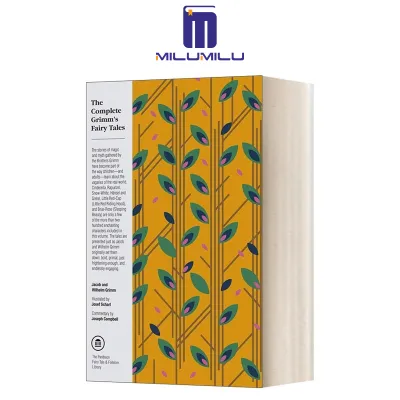
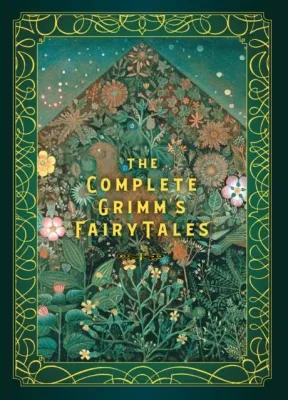
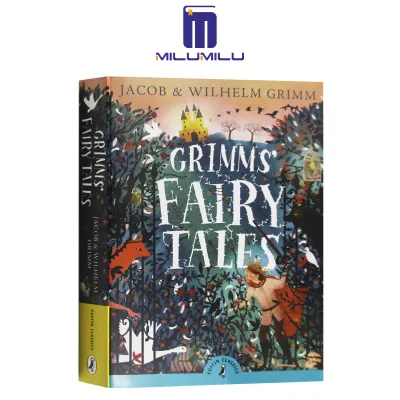
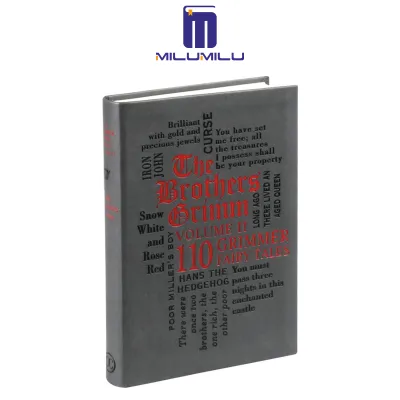
Prices are valid at publication and may change. Please refer to the product page for the latest price.
Beyond physical settings, these adaptations allow for a rich blending of Western narrative arcs with regional folklore and mythology. Singapore’s multicultural heritage provides a vast tapestry of legends, from Malay folklore featuring supernatural entities to Chinese and Indian mythological traditions. When an author weaves these local elements into a Grimm framework, they create a hybrid mythology that challenges traditional Western-centric fantasy. This fusion honors the oral storytelling traditions of Southeast Asia while offering a fresh perspective on the universal themes of greed, vanity, and survival.
Linguistic nuances play a crucial role in localizing these narratives. The integration of colloquial English, along with phrases from Malay, Hokkien, Tamil, and other local languages, gives the characters an authentic voice. This linguistic texture ensures that the dialogue feels natural to the region, moving away from the formal, archaic English often associated with traditional fairy tales. By using local vernacular, authors can convey subtle social hierarchies, humor, and cultural attitudes that would be lost in a standard translation.
Furthermore, local retellings frequently serve as vehicles for contemporary social commentary. Modern Singaporean writers use the moral frameworks of fairy tales to critique modern societal pressures, such as intense academic competition, the pursuit of material wealth, urban isolation, and the rapid loss of historical heritage. A story about a magical contract, like “Rumpelstiltskin,” might be reimagined as a cautionary tale about corporate greed or the high cost of living in a global financial hub. This intellectual depth elevates the stories from simple fantasy exercises to significant works of contemporary literature.
Finally, the genre shifts in these adaptations offer a diverse range of reading experiences. While some authors write within the bounds of traditional fantasy, others push the boundaries into psychological horror, science fiction, or magical realism. A Grimm tale might be reimagined as a dystopian sci-fi story set in a futuristic, hyper-surveilled city, or a gritty noir detective story. This versatility ensures that whether you prefer literary fiction, suspense, or speculative world-building, there is a local retelling that aligns with your specific reading preferences.
How to Find and Verify Local Grimm-Inspired Authors
Finding Singaporean authors who write Grimm-inspired fiction requires a targeted approach, as these works are often published by independent regional presses or compiled within speculative fiction anthologies. A highly effective starting point is to explore the catalogs of prominent Singaporean publishers that specialize in local literature, such as Epigram Books, Ethos Books, and Landmark Books. These publishers frequently champion speculative fiction and local fantasy, making their catalogs excellent resources for discovering authors who experiment with fairy tale retellings.

Anthologies are particularly valuable when searching for this niche genre. Many local writers do not write full-length novels dedicated to fairy tales but instead contribute short stories to themed collections. Look for anthologies focused on Singaporean speculative fiction, dark fantasy, or regional horror. When browsing these collections, examine the table of contents and the editor’s introduction, which often outlines the thematic focus of the book. Anthologies dedicated to reimagined myths, feminist retellings, or urban fantasy are highly likely to contain stories directly inspired by the Brothers Grimm.
To verify if a specific book or author matches your interest in Grimm tales, carefully analyze the book’s blurb, publisher description, and author biography. Publishers often highlight fairy tale connections in their marketing materials to attract fans of the genre. Look for explicit keywords such as “retelling,” “reimagining,” “inspired by the Brothers Grimm,” or references to specific classic titles like “Cinderella” or “Little Red Riding Hood.” If the blurb is ambiguous, searching for online book reviews from local literary bloggers can provide clarity on the book’s thematic influences.
It is also important to distinguish between direct retellings, loose thematic inspirations, and unrelated dark fantasy. A direct retelling maintains the recognizable plot structure of a specific Grimm tale while updating the setting and characters. A loose thematic inspiration, on the other hand, might only borrow a single motif—such as a mirror, a spindle, or a trail of breadcrumbs—to explore an entirely original concept. Understanding this distinction helps manage your expectations and ensures that the book you choose aligns with how closely you want the story to adhere to the original Grimm narrative.
Lastly, utilize local literary databases and library resources to aid your search. The National Library Board of Singapore maintains an extensive digital catalogue and physical collection of Singapore Literature. By using targeted search terms such as “Singapore speculative fiction,” “local fairy tales,” or “reimagined folklore” in the catalogue, you can discover cataloged works, academic essays, and literary journals that discuss local adaptations. This systematic approach ensures you do not miss hidden gems published in literary journals or limited-run anthologies.
What to Look for When Choosing a Retelling
When selecting a Singaporean Grimm-inspired retelling, the first criterion to consider is the balance between the original fairy tale elements and the local cultural integration. A successful adaptation should not feel like a superficial skin applied to a Western story; rather, the local setting and cultural context should actively shape the plot and character motivations. Assess whether the author has successfully integrated regional beliefs, historical contexts, and social realities into the narrative framework, creating a seamless blend where both the classic tale and the local culture enrich one another.
Reviewing reader feedback and literary critiques is another essential step in evaluating a book. Look for reviews that discuss the author’s world-building, narrative pacing, and character development. In speculative fiction, world-building is critical; the reimagined setting must feel cohesive and believable, whether it is a historical version of Singapore or a futuristic dystopia. Reading critiques from local literary journals or established book reviewers can offer valuable insights into whether the book successfully executes its premise or if it relies too heavily on clichés.
Content warnings and age ratings are particularly important when choosing modern retellings. The original stories collected by the Brothers Grimm were often violent, dark, and morally ambiguous, before being sanitized for children in later centuries. Many contemporary Singaporean writers return to these darker roots, exploring mature themes such as psychological trauma, systemic oppression, violence, and grief. Before purchasing, check the publisher’s age recommendations or look for content warnings online, especially if you are buying the book for a younger reader or prefer to avoid specific intense themes.
Consider the target audience and literary style of the book. Singaporean retellings span a wide spectrum, from young adult fantasy novels with accessible language and fast-paced plots, to highbrow literary fiction that prioritizes atmospheric prose and deep psychological exploration. Identifying your personal preference for narrative style will help you choose a book that you find engaging. If you enjoy poetic, slow-burning narratives, look for authors celebrated for their prose style; if you prefer action and intricate magic systems, seek out speculative fiction specialists.
Finally, examine the physical or digital edition details. Verify if the book is a standalone novel, part of a series, or a short story within an anthology. If it is an anthology, check the diversity of the contributing authors to ensure a wide range of perspectives and writing styles. Additionally, some editions include valuable supplementary material, such as author notes, essays on the adaptation process, or glossaries for local terms. These additions can significantly enhance your reading experience, providing context on how the author approached the challenge of translating a European classic into a Singaporean masterpiece.
Where to Buy and Read Singaporean Fiction
Acquiring authentic editions of Singaporean literature requires knowing where to shop, as regional titles are best sourced through specialized channels. Local independent bookstores are the premier destination for finding these works. Physical spaces and online storefronts of independent booksellers maintain dedicated, well-curated sections for Singapore Literature. The staff at these independent shops are often highly knowledgeable about local authors and can provide personalized recommendations based on your interest in speculative fiction and fairy tale retellings.
Major retail bookstore chains also carry a wide selection of local titles. Kinokuniya Singapore, particularly its flagship store, is renowned for its extensive Singapore Collection section, which features everything from mainstream local releases to niche independent publications and anthologies. Browsing these physical shelves allows you to inspect the book’s print quality, read the back cover, and flip through the pages to assess the writing style before making a purchase.
For readers who prefer digital reading or live outside of Singapore, e-book platforms and digital libraries offer excellent accessibility. Many local publishers make their titles available on global e-book stores, allowing for immediate download. Additionally, the National Library Board of Singapore provides robust digital lending services through its mobile application. Singapore residents can borrow e-books and audiobooks of local speculative fiction directly to their devices, making it a highly convenient and cost-effective way to explore the genre.
When purchasing physical or digital copies, always verify the edition details and publisher information to ensure you are buying an authorized, complete edition. Purchasing directly from the publisher’s official website is highly recommended. This guarantees that you receive a high-quality print, supports the local publishing industry, and ensures that the authors are fairly compensated for their creative work. Prices for local paperbacks generally range from S$15 to S$30, representing a worthwhile investment in supporting regional literary arts.
Frequently Asked Questions (FAQ)
Are there local literary awards that recognize fairy tale adaptations? (FAQ)
While Singapore does not have a specific literary award dedicated exclusively to fairy tale adaptations or speculative fiction, these genres are frequently recognized under broader national accolades. The Singapore Literature Prize, organized by the Singapore Book Council, is the country’s top literary award and features categories for fiction in English, Chinese, Malay, and Tamil. Speculative works, including those that adapt folklore and fairy tales, are eligible and have historically been shortlisted or won in the fiction categories.
Another significant platform is the Epigram Books Fiction Prize, which seeks to discover and promote outstanding contemporary Singaporean and Southeast Asian fiction. Authors submitting manuscripts to this prize often explore diverse genres, including fantasy, magical realism, and creative retellings of classic myths. Checking the shortlists and winning titles of both prizes on their official websites is an excellent way to discover critically acclaimed local authors who are pushing the boundaries of traditional storytelling.
How do local retellings handle the original dark themes of Grimm tales? (FAQ)
Singaporean authors who adapt Grimm fairy tales often embrace the original, darker elements of the folklore rather than sanitizing them. The Brothers Grimm collected stories that served as cautionary tales, filled with danger, moral ambiguity, and harsh consequences. Local writers frequently find that these dark themes translate powerfully into modern contexts, allowing them to explore contemporary anxieties such as urban isolation, societal pressures, and historical trauma through a speculative lens.
However, the execution of these dark themes varies depending on the book’s target audience. Young adult adaptations may focus on suspense, emotional growth, and overcoming adversity, keeping the darker elements PG-13. In contrast, adult literary fiction and horror anthologies may feature graphic depictions of psychological terror, violence, or mature themes. To ensure a comfortable reading experience, readers should always check the book’s synopsis, publisher age ratings, and online reader reviews for content warnings before diving in.
Community discussion
Share your experience or ask a question. Comments are reviewed before publication.