
Choosing your first hand drum is an exciting step into the world of rhythm, but the variety of percussion instruments can feel overwhelming. While the djembe, conga, and bongo are often grouped together as hand drums, they originate from different musical traditions, require distinct playing techniques, and serve unique roles in an ensemble. Selecting the right one depends on your personal musical goals, your living space, and how you plan to practice.
To make an informed purchase, you must look beyond aesthetics and evaluate how each drum’s physical demands, sound profile, and maintenance requirements align with your lifestyle. Whether you want to join a local drum circle, play along with Latin jazz records, or find a compact instrument for a small apartment, understanding these differences will help you avoid buyer’s remorse.
Quick Answer: Which African Drum Fits Your Style?
If you are looking for a direct recommendation, your choice should match your primary playing environment and musical interests. The djembe is the most versatile option for solo players and outdoor drum circles, offering a massive volume range and a deep bass that can carry an entire group. It is highly self-contained and relatively easy to transport, making it a popular starting point for general percussion enthusiasts.
Products mentioned in this guide
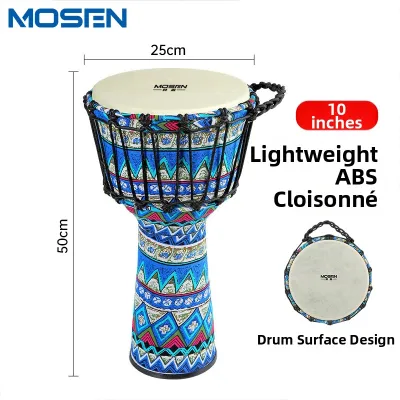

Prices are valid at publication and may change. Please refer to the product page for the latest price.
The conga is the ideal choice if you are drawn to Afro-Cuban, salsa, or Latin jazz rhythms. These drums are melodic and resonant, typically played in pairs or trios to create complex, interlocking patterns. However, they require more physical space and are heavier to transport, making them better suited for dedicated practice spaces or structured band environments.
The bongo is the best fit if portability and space are your primary constraints. These small, high-pitched drums are held between the knees and provide sharp, articulate accents that cut through acoustic mixes. They are excellent for casual jams, home recording, and players who want an accessible instrument that does not dominate a room.
Sound Profiles and Musical Roles
The djembe is renowned for its impressive dynamic range and expressive tonal palette. Shaped like a goblet, the drum features a wide head and a narrow neck that acts as a resonator, producing a deep, booming bass when struck in the center. When played near the rim, it delivers clear mid-tones and sharp, high-pitched slaps. This wide spectrum allows a single djembe player to provide both the low-end foundation and the high-frequency solo accents in West African rhythms and communal drum circles.

Congas, or tumbadoras, offer a warmer, more resonant, and distinctly melodic sound. Because they are long, staved wooden or fiberglass cylinders, they produce a rich, singing tone with a sustained decay. Players use a variety of strokes—including open tones, muffled tones, and slaps—to weave melodic basslines and syncopated patterns. In salsa, rumba, and Latin jazz, the conga acts as the heartbeat of the rhythm section, locking in with the bass guitar and other percussion instruments to drive the groove.
Bongos consist of two small, joined drums of different sizes: the smaller, higher-pitched drum is called the macho, while the larger, lower-pitched drum is the hembra. They produce a dry, crisp, and high-pitched sound with very little sustain. This sharp projection allows bongo players to cut through dense acoustic arrangements without overpowering other instruments. Historically essential to Cuban son and modern acoustic ensembles, bongos are primarily used for rapid, syncopated soloing and adding bright rhythmic textures.
Playing Techniques and Physical Demands
Playing the djembe requires a relaxed posture and a willingness to use your entire hand. You can play the instrument while seated, tilting the drum forward between your knees to let the sound escape from the bottom opening, or standing up using a shoulder strap. The three primary strokes—bass, tone, and slap—require precise hand placement and wrist relaxation. Beginners must focus on rebound; leaving your hand on the drumhead dampens the sound and can cause hand fatigue or bruising over time.
Congas demand a highly disciplined physical approach due to their height and the thickness of their drumheads. Typically played while seated with the drum resting on the floor or mounted on a metal stand, congas require the player to master the “heel-toe” technique, which involves rocking the palm and fingers to create a continuous rolling rhythm. The thick skins used on congas require a firm, deliberate strike to produce a full tone, which can be physically demanding on a beginner’s hands and wrists during extended practice sessions.
Bongos are generally considered the most physically accessible of the three for absolute beginners, though mastering their advanced rhythms takes years of practice. To play them traditionally, you sit down and grip the wooden block connecting the two drums between your inner calves, with the smaller drum on your left (for right-handed players). Because of their smaller diameter, bongos are played primarily with the fingers rather than the full palm. This finger-striking technique requires less physical force, making it easier on the hands, though it demands high finger dexterity and coordination.
Portability, Setup, and Space Requirements
When purchasing your first drum, practical living conditions must play a major role in your decision. In high-density urban environments, such as apartments in Singapore, storing and practicing on a large percussion instrument presents unique challenges. The djembe offers a reasonable compromise; while a full-sized 12-inch djembe is tall, its single-piece goblet design has a relatively small footprint and can easily sit in a corner or closet when not in use. It is light enough to carry to a local park or beach in a padded backpack gig bag.
Congas present the most significant storage and transport hurdles. A single conga is heavy and bulky, and because they are traditionally played in pairs (such as a quinto and a conga), you will likely need to accommodate two large drums and their accompanying metal stands. This setup requires a dedicated floor area in your home and a vehicle with ample trunk space if you plan to travel to rehearsals. For those with limited living space, starting with a single conga or opting for compact “travel congas” is a necessary compromise.
Bongos are the undisputed champions of portability and space efficiency. Their compact, dual-shell design fits easily on a shelf, under a bed, or inside a standard backpack. They require no floor space during play since they rest securely between your legs, and their lower overall volume makes them much easier to practice quietly at home without disturbing neighbors. If you travel frequently or have minimal storage space, the bongo is the most practical entry point into hand drumming.
Decision Framework: Which Drum Should You Buy First?
To finalize your decision, evaluate your goals against this practical framework:
- Choose the Djembe if:
- You want a highly versatile, self-contained drum that can produce both deep bass and high slaps.
- You plan to participate in outdoor drum circles, community music groups, or casual acoustic jams.
- You want an intuitive learning curve where you can quickly pick up basic rhythms and play along with others.
- Choose the Conga if:
- You are deeply passionate about Afro-Cuban, salsa, jazz, or pop ensemble music.
- You have a dedicated practice space at home and do not mind transporting heavy gear.
- You want to develop a highly structured, melodic hand-drumming technique.
- Choose the Bongo if:
- You live in a compact apartment where storage space and practice volume are major concerns.
- You want a highly portable instrument that you can easily bring to social gatherings or travel with.
- You prefer playing intricate, high-pitched rhythmic accents using finger-striking techniques.
- Neither may fit if:
- You are looking for a direct substitute for a full acoustic drum kit, as hand drums cannot replicate the foot-pedal independence of a bass drum and hi-hat.
- You require absolute volume control for late-night practice; in this case, you should explore electronic percussion pads or digital hand drums that support headphone monitoring.
Essential Specs to Verify Before Purchasing
Before finalizing your purchase on an online marketplace or at a local music shop, you must carefully verify the product specifications to ensure the drum matches your physical needs and environmental conditions.
- Shell Material: Traditional drums are crafted from carved hardwood (often mahogany for djembes) or staved wood (for congas and bongos). Wood offers a warm, organic tone but is highly sensitive to environmental changes. In humid tropical climates like Singapore's, wood can swell or crack if exposed to extreme moisture or sudden temperature shifts from air conditioning. Synthetic shells, such as fiberglass or high-impact plastic, are highly durable, weather-resistant, and require virtually no climate-related maintenance, making them an excellent choice for beginners.
- Drumhead Type: Natural animal skins (such as goat skin for djembes and steer or cowhide for congas) provide a traditional, warm tone with complex overtones. However, natural skins expand and contract with humidity, requiring frequent tuning and careful storage. Synthetic drumheads offer consistent tension, are unaffected by weather changes, and are highly durable, though they tend to produce a slightly brighter, less traditional sound.
- Tuning Mechanism: Traditional djembes use a rope-tuning system (the Mali weave), which requires learning specific knotting techniques to tension the head. Congas, bongos, and modern mechanical djembes use metal lugs and rims tuned with a wrench. Lug tuning is significantly easier for beginners to adjust quickly and evenly, whereas rope tuning offers a classic aesthetic and lighter overall weight.
- Size and Dimensions: Ensure the drum's physical dimensions match your body size. For a djembe, an adult beginner typically requires a head diameter of 10 to 12 inches; anything smaller is difficult to play with two hands comfortably. For bongos, standard sizes are approximately 7-inch and 8.5-inch heads. For congas, a standard beginner drum (often a conga or quinto) ranges from 11 to 11.75 inches in head diameter.
Frequently Asked Questions (FAQ)
Do I need to buy a stand for my first African drum?
For djembes and bongos, a stand is entirely optional for beginners. Djembes are traditionally played seated with the drum tilted forward between the knees, or standing with a simple fabric strap. Bongos are designed to be held securely between your calves while seated. Congas, however, are much taller and heavier; while they can be played seated on the floor, many players prefer using individual basket stands or a double-conga stand to improve posture, protect their backs, and allow the bottom of the drum to remain open for maximum resonance. Always check the manufacturer’s weight and height specifications to ensure any third-party stand is compatible with your specific drum model.
How do natural skin and synthetic drumheads compare for beginners?
Natural skin drumheads offer an authentic, warm, and rich tone that many traditionalists prefer, but they require a high level of maintenance. They are highly sensitive to humidity and temperature fluctuations, meaning you will need to tune them up before playing and detension them afterward to prevent the skin from stretching or splitting. Synthetic drumheads, made from durable plastics or composite materials, are completely impervious to weather changes. They maintain their pitch consistently, require far less frequent tuning, and are highly resistant to tearing, making them the most practical and low-maintenance option for beginners, especially in humid climates.
Community discussion
Share your experience or ask a question. Comments are reviewed before publication.