
When starting your piano-playing journey, the immediate focus naturally lands on choosing the right keyboard or acoustic instrument. However, the surface you sit on during practice is just as critical to your musical progress as the keys themselves. While it is entirely possible to use a standard household chair for your first few weeks of practice, relying on non-specialized seating for a prolonged period can quietly sabotage your technique and lead to chronic physical discomfort.
A dedicated piano bench is designed specifically to support the unique biomechanics of playing a keyboard instrument. Unlike general-purpose furniture, a proper bench provides the specific height, stability, and freedom of movement required to develop a relaxed, efficient, and injury-free playing style. Understanding how your seating setup influences your body alignment will help you decide whether to stick with a temporary household alternative or invest in a specialized bench immediately.
The Role of Seating in Piano Posture and Technique
Correct piano posture is not merely about looking professional; it is the physical foundation that allows your hands and arms to move freely across the entire keyboard. The ideal sitting position requires your feet to rest flat on the floor to provide a stable anchor for your lower body. Your pelvis should tilt slightly forward, aligning your spine in a neutral, upright position that supports a relaxed upper body.
Products mentioned in this guide
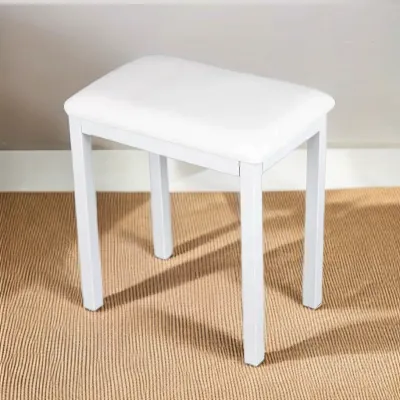
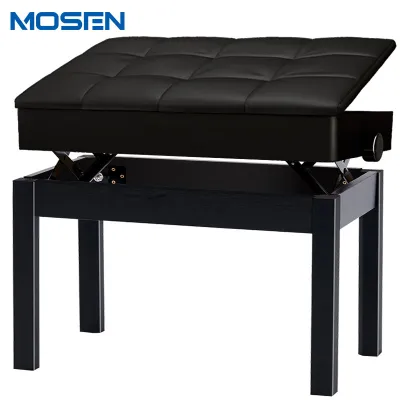
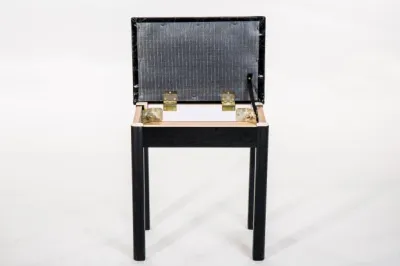
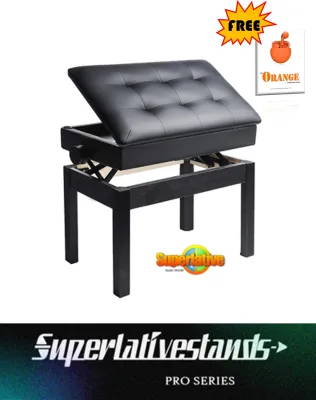
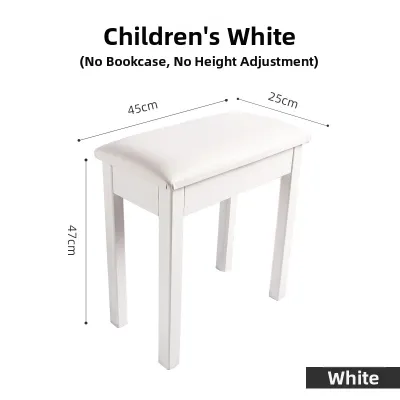
![Roland BNC-05 Adjustable Piano Bench Light Almond/Black/White High-Quality Comfortable Cushion [LIMITED STOCK]](https://img.lazcdn.com/g/p/e68acc815983342552a0506ddfb15eae.jpg_400x400q80.jpg_.webp)
Prices are valid at publication and may change. Please refer to the product page for the latest price.
When positioned correctly, your forearms should remain roughly parallel to the floor when your fingers rest on the keys, with your elbows bent at a slightly open angle of just over 90 degrees. This specific alignment allows gravity to assist your hand movements, transferring the weight of your arms directly into the keybed rather than forcing your finger muscles to do all the heavy lifting. Achieving this exact relationship between your body and the keyboard depends almost entirely on the height and positioning of your seat.
For beginners, establishing this physical alignment is particularly critical because your brain and muscles are actively building foundational muscle memory. If you practice on a seat that is too low or too high, your body will naturally make awkward adjustments to reach the keys. Over time, these temporary adjustments solidify into deeply ingrained habits that restrict your speed, limit your expressive control, and increase the risk of physical strain.
Signs Your Current Chair Is Hindering Your Practice
Many beginners struggle with physical tension or difficult passages without realizing that their choice of chair is the primary culprit. Evaluating your current seating arrangement for specific warning signs can help you diagnose whether your chair is actively holding you back.

Physical Discomfort and Fatigue
Experiencing lower back pain, shoulder tightness, or neck strain during or after a practice session is a clear indicator that your seating is inadequate. Standard dining or office chairs rarely align perfectly with the standard height of a piano keyboard, forcing your spine to compensate for the discrepancy.
When a chair lacks the necessary support or sits at an incorrect height, your back muscles must work overtime to keep you upright, leading to rapid muscle fatigue. This constant physical strain not only cuts your practice sessions short but can also lead to repetitive strain injuries that require professional medical attention.
Technical Limitations and Instability
A stable base is essential for executing dynamic shifts in your playing, such as leaning into the upper or lower registers of the piano. Chairs equipped with swivel mechanisms, casters, or lightweight frames tend to slide, tilt, or rotate when you shift your body weight, disrupting your balance and breaking your concentration.
Furthermore, standard office chairs or armchairs feature side structures that physically block your elbows from moving outward. This restriction prevents you from playing keys at the far ends of the keyboard comfortably, forcing you to twist your wrists or hunch your shoulders to reach the notes.
Incorrect Arm and Hand Alignment
If your chair is too low, your wrists will naturally drop below the level of the keyboard, forcing you to play with flat, collapsed fingers. This position strains the tendons in your wrists and forearms, severely restricting your finger articulation and making it difficult to produce a clear, consistent tone.
Conversely, sitting too high causes your wrists to hover excessively above the keys, forcing your shoulders to shrug and creating tension along your neck and upper back. Both extremes make it nearly impossible to develop the relaxed, arched hand shape that is fundamental to proper piano technique.
When a Regular Chair Is "Good Enough" for Beginners
While a dedicated bench is the ideal choice, you do not need to purchase one on day one if you have a suitable household chair that can be adapted temporarily. This approach is highly practical for casual hobbyists or parents who want to test a child’s commitment before investing in specialized musical gear.
To determine if a regular chair is safe for temporary practice, it must meet several strict criteria. The chair must be completely armless, have no wheels or swivel mechanisms, and feature a flat, firm seat with a sturdy, non-rocking frame. A standard wooden dining chair or a heavy-duty four-legged stool often serves as the best starting point.
If the chair is slightly too low, you can adjust your height by placing firm, non-slip cushions, high-density yoga blocks, or flat foam pads on the seat. Avoid soft, plush pillows, as they will compress under your weight and cause your pelvis to tilt backward, destroying your spinal alignment.
For younger children or shorter players, placing a sturdy footstool or a stack of flat blocks under their feet is essential to prevent their legs from dangling. This foot support provides the necessary physical leverage and stability required to balance the upper body while playing. This modified setup is generally acceptable for the first few months of casual practice, especially in space-constrained environments like compact apartments in Singapore, where dedicated furniture must be chosen carefully.
Key Features to Look for in a Beginner Piano Bench
When you decide to transition from a temporary chair to a dedicated piano bench, focusing on practical, ergonomic features will ensure you get the best value for your investment.
Height Adjustability for Custom Fit
An adjustable height mechanism is the single most important feature to look for in a piano bench. Because human bodies and keyboard stands vary significantly, a fixed-height bench rarely provides the exact alignment needed for perfect posture.
Adjustable benches typically feature a dual-knob mechanical system or a hydraulic lift that allows you to raise or lower the seat by small increments. This flexibility is indispensable if the bench is shared among multiple family members of different heights, or if you are supporting a growing child who needs regular posture adjustments over the years.
Stability, Weight Capacity, and Build Quality
A high-quality piano bench must feel rock-solid beneath you, with absolutely no wobbling, creaking, or shifting when you move your body. Look for benches constructed with solid hardwood frames or heavy-duty steel legs, reinforced with robust metal brackets or cross-bracing.
In humid climates like Singapore, checking the quality of the joint connections and metal hardware is particularly important to prevent premature wear or loosening. A heavy, stable bench ensures that all your physical energy is directed into your playing rather than wasted on maintaining your balance on a shaky seat.
Seat Padding Density and Ergonomic Depth
The padding of a piano bench should be firm and supportive rather than soft and plush. High-density polyurethane foam is the industry standard because it supports your sit bones without bottoming out, maintaining your pelvic alignment throughout long practice sessions.
The depth of the seat should be sufficient to support approximately two-thirds of your thighs without pressing against the back of your knees, which can restrict blood circulation. A firm, properly sized cushion allows you to sit slightly forward on the front half of the bench, promoting an active, engaged posture.
The Absence of Backrests and Core Engagement
Traditional piano benches are intentionally designed without backrests to encourage active sitting, which naturally engages your core muscles and keeps your spine aligned. Leaning back against a chair support during practice encourages slouching and disconnects your upper body from the keyboard.
While some specialized ergonomic benches or seats designed for casual digital keyboard setups feature minimal back supports, these are meant for resting between pieces rather than active playing. For beginners, a standard backless bench is highly recommended to build the core strength and active posture habits necessary for advanced playing.
Making the Decision: Upgrade Now or Wait?
Deciding whether to buy a piano bench immediately or stick with a temporary setup depends on your physical comfort, practice frequency, and long-term musical goals. Use the following guidelines to evaluate your current situation and make an informed decision.
Upgrade immediately if you experience any of the following:
- You feel persistent physical pain, numbness, or muscle fatigue during or after practicing.
- Your current chair has wheels, armrests, or an unstable frame that moves while you play.
- You or your child are preparing for graded practical examinations, where precise posture and arm alignment directly impact performance outcomes.
- You practice for more than 30 minutes daily and are committed to long-term progress.
Wait and adjust your current setup if you meet these conditions:
- You are a casual player practicing less than 20 minutes a day, a few times a week, and experience no physical discomfort.
- You have a sturdy, armless dining chair that can be easily adjusted to the correct height using firm, non-slip pads.
- You are still testing your interest (or your child's interest) in the instrument and want to avoid unnecessary expenses during the first few weeks.
When you are ready to make a purchase, it is highly recommended to visit local music showrooms in Singapore to test different benches in person. Sit on various models to evaluate the firmness of the padding, check the smoothness of the height-adjustment mechanism, and physically shake the frame to ensure it offers the stability you need. Testing benches in person ensures you select a model that fits your body comfortably and supports your musical journey for years to come.
Frequently Asked Questions (FAQ)
Can I use a dining chair with a cushion for piano practice?
Yes, a sturdy dining chair can work temporarily if the seat height is correct and you use a firm, flat cushion that does not compress significantly. Avoid soft, fluffy pillows or slippery cushions, as they cause your pelvis to tilt backward or slide forward, which ruins your spinal alignment and creates muscle tension.
Are folding piano benches stable enough for beginners?
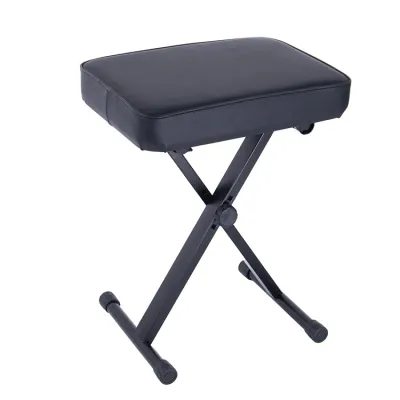
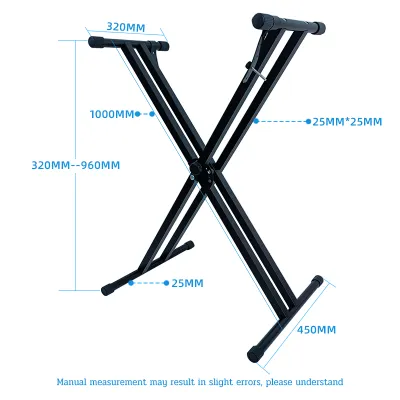
Folding X-style benches are highly convenient for small spaces or portable keyboards, but their stability varies widely. While high-quality models with reinforced double-braced legs and secure locking pins are stable enough for beginners, cheap folding benches often wobble or feature very thin padding that quickly bottoms out. Always check the manufacturer’s weight capacity and frame thickness before purchasing.
Does a piano bench need to match the piano's finish or brand?
No, matching the finish or brand of your piano is purely a cosmetic preference and has no impact on your playing technique. When choosing a bench, always prioritize ergonomic features, height adjustability, and structural stability over aesthetic matching or brand prestige.
Community discussion
Share your experience or ask a question. Comments are reviewed before publication.