
Quick Diagnostic: Assessing Your Sound Control Needs
Deciding between full room soundproofing and portable isolation accessories is a common dilemma for musicians practicing at home. You do not always need to invest in expensive, permanent structural renovations to keep the peace with your neighbors. For many players, targeted isolation accessories can manage sound levels effectively at a fraction of the cost. The right choice depends on your specific instrument, your housing type, and the nature of the sound you produce.
To determine your needs, start by evaluating the tolerance levels of your household and neighbors. Living in a high-density apartment building with shared concrete walls requires a different approach than practicing in a detached house. If you receive occasional polite inquiries about your practice schedule, minor adjustments may suffice. However, persistent complaints or strict estate guidelines demand a more robust, reliable solution.
Next, identify the acoustic profile of your instrument. Instruments produce two primary types of sound: airborne and structure-borne noise. Airborne noise travels through the air and escapes through gaps in doors, windows, and vents. Woodwinds, brass, and vocals are primary examples of airborne sound sources. Structure-borne noise, on the other hand, travels directly through solid structures like floors and walls. This occurs when a drum pedal strikes a bass drum or a piano’s cabinet vibrates against the floor.
Products mentioned in this guide
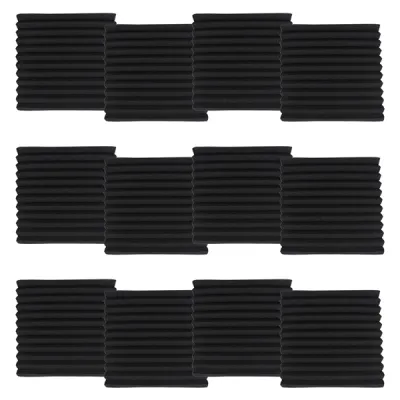

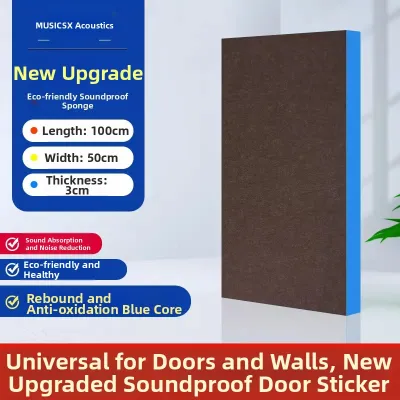
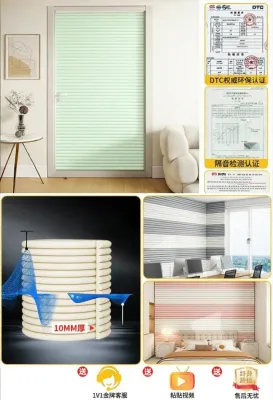
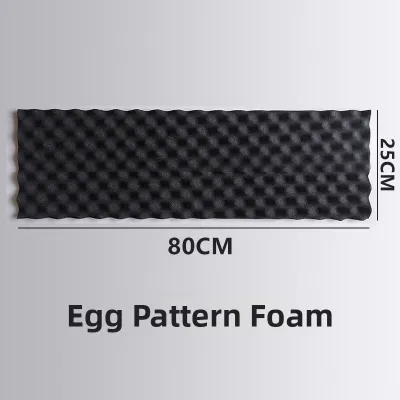
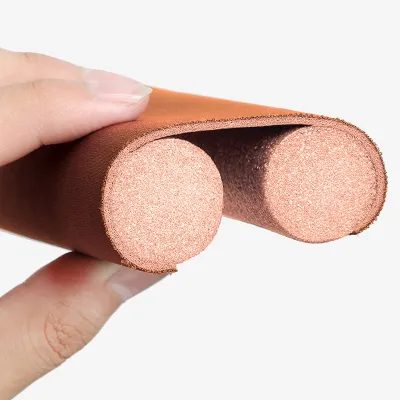
Prices are valid at publication and may change. Please refer to the product page for the latest price.
It is also essential to distinguish between soundproofing and acoustic treatment. Soundproofing is the practice of blocking sound from entering or leaving a room, which requires mass, density, and decoupling. Acoustic treatment, such as foam panels or bass traps, merely controls reflections and echo inside the room to improve recording quality. Installing foam panels on your walls will not stop your neighbors from hearing your instrument; it only changes how the instrument sounds to you.
Signs Isolation Accessories Are Sufficient for Your Setup
For many musicians, portable isolation accessories offer a practical and highly cost-effective alternative to structural renovations. These solutions are particularly effective for low-to-moderate volume instruments, such as acoustic guitars, violins, or flutes. They are also ideal for electronic instruments that feature dedicated headphone outputs, allowing you to practice silently at any hour of the day.

If you play a brass or stringed instrument, specialized practice mutes can drastically reduce output volume. A high-quality practice mute dampens the sound at the source, allowing you to blow or bow with normal resistance while emitting only a whisper of sound. For percussionists and keyboardists, heavy-duty isolation pads and rubber feet can decouple the instrument from the floor, preventing mechanical vibrations from traveling downstairs.
Silent practice systems represent another highly effective category of accessories. Electronic drum kits, silent brass systems, and digital pianos allow you to hear your performance through headphones while the physical room remains relatively quiet. While these systems do not eliminate the physical sound of wooden sticks hitting rubber pads or keys bottoming out, they reduce the overall noise footprint to a level that rarely disturbs neighbors.
Flexible living situations, such as renting an apartment, make isolation accessories the logical choice. Most tenancy agreements prohibit structural modifications like adding drywall layers, replacing doors, or installing floating floors. Accessories require no permanent installation, can be packed up instantly when you move, and do not risk your security deposit. They allow you to adapt your practice space without committing to permanent, irreversible changes to the property.
When Full Room Soundproofing Becomes Necessary
While accessories are highly versatile, certain scenarios make structural soundproofing unavoidable. High-decibel acoustic instruments are the primary drivers for major soundproofing projects. An unmuted trumpet, an acoustic drum kit, or a grand piano can easily produce sound levels exceeding 90 to 100 decibels. In shared residential buildings, concrete slabs and brick walls can only block a portion of this energy, leaving neighbors exposed to disruptive noise levels.
If your goal is professional-grade recording or production, isolation accessories will not suffice. Recording high-quality audio requires a very low noise floor, meaning external sounds like traffic, construction, or household appliances must be completely blocked from entering your room. Conversely, you must also ensure your performances do not leak out and disturb others. This level of bidirectional isolation can only be achieved by creating a decoupled, airtight room-within-a-room structure.
Persistent noise complaints and strict local building regulations also dictate the need for structural intervention. If your practice hours conflict with your neighbors’ sleep schedules or work-from-home routines, relying solely on mutes may limit your artistic development. When accessories fail to bring the sound down to legally permissible limits, investing in structural soundproofing becomes the only way to secure your right to practice without legal or social friction.
Comparing Structural Soundproofing and Isolation Accessories
To make an informed decision, it is helpful to compare these two approaches across several practical dimensions. The first dimension is installation complexity and permanence. Isolation accessories are plug-and-play solutions that require zero technical expertise or tools. Structural soundproofing, however, involves significant construction, such as adding resilient channels, double layers of specialized drywall, green glue, and heavy acoustic doors. This process can take weeks and permanently alters the dimensions of your room.
Budget allocation is another critical factor. Isolation accessories are highly accessible, with high-quality mutes, dampening pads, and headphone systems generally costing between S$50 and S$500. In contrast, structural soundproofing is a major financial commitment. Even a modest room-within-a-room conversion can easily range from several thousand to tens of thousands of dollars, depending on the materials used and professional labor costs.
The two approaches also differ in how they handle different sound types. Accessories are excellent at targeting specific frequencies or decoupling individual contact points, such as placing an isolation platform under an amplifier. However, they cannot stop airborne sound from escaping through weak points in the room’s envelope. Structural soundproofing addresses the entire space, sealing air gaps and adding massive barriers that block both airborne noise and deep, structural vibrations.
Creating a Phased Sound Management Strategy
Instead of jumping straight into expensive construction, you can adopt a phased strategy to manage your instrument’s volume systematically.
Step 1: Maximize accessory use and optimize instrument placement Begin by placing your instrument away from shared walls and windows. If you play a floor-standing instrument like a cello or digital piano, place a thick, dense rug or a dedicated isolation platform underneath it to decouple it from the floor. Use high-quality practice mutes or silent modes whenever possible to lower the initial volume at the source.
Step 2: Test and measure real-world noise leakage Once your accessories are in place, conduct a simple sound test. Play your instrument at your normal practice volume while a family member or friend stands outside your closed door, in the hallway, or in an adjacent room. You can use a basic decibel meter app on a smartphone to measure the sound levels in these areas, checking if the volume drops to a comfortable background level.
Step 3: Consult acoustic professionals for structural assessments If your tests reveal that sound is still leaking at disruptive levels despite using accessories, it may be time to seek professional help. An acoustic consultant can inspect your room to identify specific weak points, such as hollow-core doors, thin windows, or shared ventilation ducts. They can then recommend targeted structural upgrades, ensuring you only pay for the modifications you actually need.
Frequently Asked Questions (FAQ)
Can I combine isolation accessories with basic room treatments for better results?
Yes, combining these two approaches can create a much more comfortable and controlled practice environment. It is important to remember that acoustic panels and foam tiles only manage sound reflections inside the room; they do not block sound from escaping. However, by placing absorption panels on your walls, you can reduce the overall buildup of sound energy inside your practice space. When paired with isolation pads under your gear or mutes on your instrument, this combination lowers the perceived volume both inside and outside the room.
Do electronic instruments still require soundproofing?
Electronic instruments generally do not require full room soundproofing, but they often require targeted isolation. While playing with headphones eliminates airborne noise, the physical actions of playing can still create significant structure-borne noise. For example, the impact of a kick drum pedal on an electronic drum kit or the heavy action of a digital piano keyboard can send low-frequency vibrations through the floor. Instead of soundproofing the walls, you can resolve this by placing the instrument on a specialized acoustic riser or isolation platform to absorb the physical impact.
Community discussion
Share your experience or ask a question. Comments are reviewed before publication.