
Starting your drumming journey is an exciting milestone, but stepping into a music store or browsing online marketplaces can quickly lead to choice paralysis. The market is filled with countless drum accessories, from specialized dampening gels to high-end double bass pedals, making it easy to overspend on items you do not yet need. To build your skills efficiently and protect your budget, your accessory purchases should directly match your current playing stage. Beginners require a minimal, non-negotiable set of tools focused on physical protection, basic technique development, and fundamental kit maintenance. Intermediate players, on the other hand, should only invest in upgrades when they encounter specific physical bottlenecks, tonal limitations, or performance demands that their entry-level gear can no longer support.
How to Diagnose Your Current Drumming Stage
Identifying your current drumming stage is the first step toward making smart purchasing decisions. As a beginner, your practice sessions typically revolve around mastering basic rudiments, developing a consistent grip, and learning to keep steady time. At this stage, you are likely practicing on a single snare drum, a practice pad, or a basic entry-level drum kit. Your primary goal is to build muscle memory and hand-mind coordination without worrying about complex tonal nuances or advanced performance hardware.
You have likely transitioned to an intermediate level when your practice habits and musical demands become more complex. Signs of this transition include playing diverse musical genres, exploring intricate dynamic ranges, and requiring precise control over your drum tones. You might also find yourself playing longer sessions, joining a band, or preparing for local studio recordings. At this point, standard entry-level hardware may begin to feel physically limiting, or you might notice specific ergonomic discomfort during extended practice.
Products mentioned in this guide
![[SG 🚚] Professional Lightweight Pair of 5A Nylon Drumsticks Stick for Drum Set](https://img.lazcdn.com/g/p/e84d4f985a3b87a4e4cd064f85010230.jpg_400x400q80.jpg_.webp)
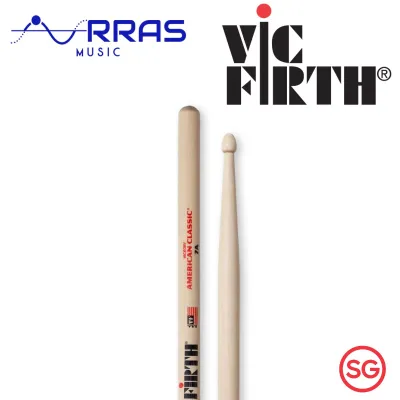
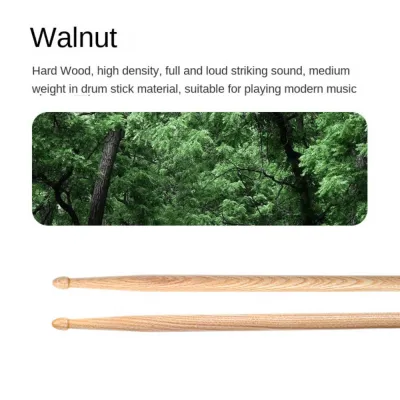
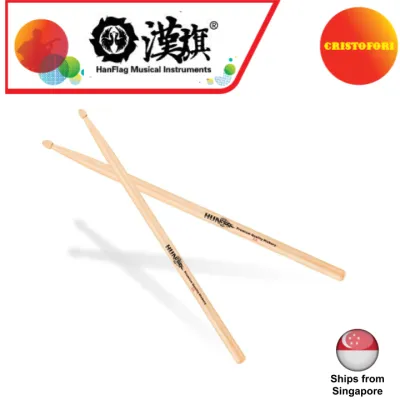


Prices are valid at publication and may change. Please refer to the product page for the latest price.
Accurately matching your accessories to these observable milestones prevents both financial waste and physical frustration. Buying advanced gear too early can distract you from mastering foundational techniques, while clinging to basic gear for too long can hinder your physical progress. By evaluating your current playing habits honestly, you can invest in tools that solve actual, immediate problems rather than theoretical ones.
Essential Drum Accessories Every Beginner Actually Needs
For those starting out, the essential accessory checklist is brief and focused entirely on safety, technique, and basic maintenance. The absolute first priority is high-quality hearing protection. Acoustic drums easily exceed safe decibel levels, and practicing without earplugs or isolation headphones can lead to permanent hearing damage. Look for hearing protection specifically rated for musicians, which lowers the volume evenly across frequencies rather than muffling the sound entirely.

A dedicated practice pad is another non-negotiable tool for every beginner. In high-density living environments, such as Singapore’s HDB flats, practicing on a full acoustic kit daily is rarely feasible due to noise constraints. A practice pad allows you to practice rudiments quietly at any hour while providing the realistic rebound necessary to build wrist strength. Pair this with a standard drum key, which is the universal tool required to tune your drumheads, adjust hardware tension, and set up your kit.
Your physical well-being behind the kit depends heavily on a stable drum throne. Many entry-level kits bundle a flimsy, unpadded stool that compromises your posture and balance. Investing in a sturdy, adjustable throne with a secure locking mechanism is vital for developing proper foot technique and preventing lower back strain. When selecting a throne, verify the manufacturer’s specified weight limits and base materials to ensure long-term stability.
Finally, a simple, durable stick bag is essential for keeping your tools organized and protected. Wood drumsticks are highly sensitive to environmental factors, and Singapore’s high humidity can cause unprotected sticks to warp over time. Keeping your sticks in a dedicated bag when not in use helps shield them from moisture fluctuations while ensuring you always have a spare pair within arm’s reach during practice.
Strategic Upgrades for Intermediate Players
As your skills progress, you will eventually encounter specific bottlenecks that require strategic hardware upgrades. One common trigger is physical discomfort during extended practice sessions. If you find your lower back aching or your legs tiring quickly during complex footwork, upgrading to a professional-grade drum throne with high-density foam or a hydraulic adjustment system can dramatically improve your endurance and posture.
Another typical intermediate upgrade is the introduction of specialized dampening tools. As you develop an ear for drum tuning, you may want to control unwanted overtones or shorten the decay of your snare and toms. While beginners often rely on makeshift solutions, intermediate players benefit from reusable dampening gels, adjustable clip-on dampeners, or dampening rings that allow for quick, precise tonal adjustments during rehearsals or local gigs.
If your musical style expands into genres like metal, progressive rock, or modern fusion, you might also consider upgrading to a double bass drum pedal. This hardware addition requires significant coordination to master, making it a poor choice for absolute beginners but an excellent challenge for intermediate players. Before purchasing a double pedal, or any advanced hardware, carefully check the physical compatibility and mounting requirements of your existing bass drum hoop to ensure a secure fit.
For those playing in shared spaces or apartments, intermediate upgrades might also include noise-reduction accessories. Heavy-duty drum rugs, sound-absorbing isolation platforms, and mesh practice heads can help isolate low-frequency vibrations from traveling through floors. Always verify the dimensions of your drum setup against the specifications of these accessories to ensure complete coverage and stability.
Drum Accessories You Can Safely Skip or Delay
It is easy to be swayed by marketing campaigns promoting high-end, custom accessories as “must-have” items for every drummer. However, many of these products offer little to no benefit for players who are still developing their core skills. For example, premium custom drumsticks made from exotic woods or featuring specialized grip coatings are unnecessary expenses when standard hickory sticks serve perfectly well for learning grip and control.
Similarly, complex dampening gadgets, expensive external triggers, and niche percussion add-ons like cowbells, tambourines, or effect cymbals can be safely delayed. These items often serve as distractions rather than helpful tools. If you cannot yet maintain a steady groove on a basic snare, hi-hat, and bass drum setup, adding more sound sources to your kit will only complicate your practice routine and slow down your progress.
Advanced electronic interfaces, high-end microphones, and premium mixing gear are also major investments that beginners and early intermediate players should skip. Unless you are actively tracking drums for commercial releases, a simple smartphone recording is more than adequate for self-evaluation. When evaluating any trending accessory, ask yourself if it solves a specific, recurring physical or musical problem in your current routine; if it does not, keep your money in your wallet.
Building Your Accessory Shopping Checklist
To maintain financial discipline and build a functional setup, create a prioritized shopping checklist before visiting a music store or ordering online. Divide your list into immediate necessities and future conditional upgrades. Your immediate list should focus on safety and daily practice tools, while your conditional list should only be unlocked once you reach specific playing milestones or encounter clear hardware limitations.
When you are ready to purchase, always verify product specifications, warranty terms, and return policies directly from official brand stores or authorized musical instrument retailers. This is particularly important for mechanical hardware like pedals and thrones, where manufacturing defects can compromise safety. Avoid buying unbranded or extremely cheap hardware from generic online marketplaces, as these items often lack the structural integrity required to withstand repetitive physical impact.
Set a realistic budget allocation in S$ to guide your decisions. For instance, allocate a larger portion of your initial budget to a high-quality drum throne and reliable hearing protection, as these directly impact your health and comfort. Keep your spending on consumable items like drumsticks and drumheads modest until you develop a consistent striking technique that minimizes premature wear and tear.
Frequently Asked Questions (FAQ)
How often should I replace my drumsticks and practice pads?
You should replace your drumsticks when you observe visible structural damage, such as deep splintering, cracking along the shaft, or a chipped tip that can damage your drumheads. Roll your sticks on a flat surface to check for warping; warped sticks should be retired immediately as they disrupt your rebound consistency. The lifespan of your sticks depends heavily on your playing frequency, strike angle, and whether you frequently play rimshots. Practice pads last much longer but should be replaced if the rubber surface hardens, cracks, or begins to peel away from the wooden base, which severely compromises the realistic rebound.
Do I need specialized accessories for an electronic drum kit?
Yes, electronic drum kits have specific accessory requirements to prevent damage and minimize noise. When playing on mesh drumheads, always use wooden sticks with intact nylon tips or smooth wood tips; chipped wood tips can easily snag and tear the delicate mesh. Avoid using felt beaters on your bass drum pad if it has a mesh surface, as the friction can wear down the mesh fibers over time; plastic or wood beaters are preferred. Additionally, because electronic kits are often chosen for quiet practice in apartments, you may need specialized noise-reduction mats or isolation blocks to prevent the physical impact of your pedals from vibrating through the floorboards to your neighbors.
Community discussion
Share your experience or ask a question. Comments are reviewed before publication.