
A reliable drum mat must keep your entire drum kit—including the pedals, stands, and throne—completely stationary while protecting your floor from scratches and reducing vibrations. When choosing a mat, you need to focus on three primary factors: adequate sizing to fit your complete setup, a high-grip backing that matches your flooring, and a durable surface material that prevents hardware spikes from slipping.
Sizing Your Drum Mat for the Full Kit
To find the right size, you must measure the actual footprint of your drum kit when it is fully set up. Take a tape measure and find the distance from the outermost edge of your hi-hat stand to the far edge of your ride cymbal stand. Do the same from the front of your bass drum to the back of your drum throne.
It is a common mistake to buy a mat that only covers the drums and pedals while leaving the drum throne on the bare floor. Your body weight on the throne actually helps anchor the mat and prevents the bass drum and pedals from creeping forward as you play. Ensure the mat is long enough to accommodate all three legs of your throne and your pedal boards.
Products mentioned in this guide
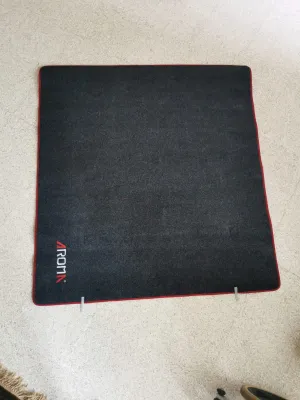
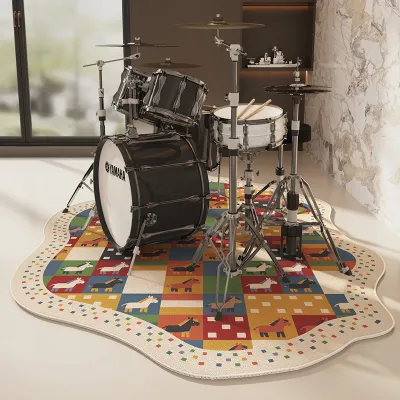
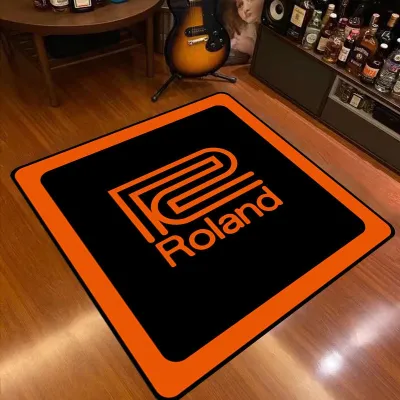
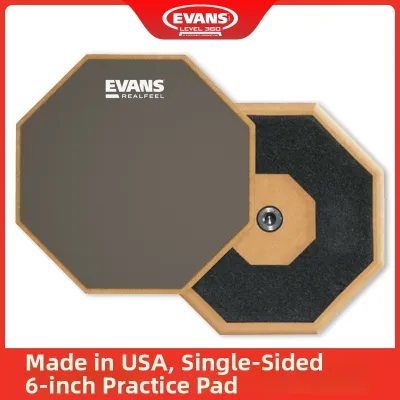
Prices are valid at publication and may change. Please refer to the product page for the latest price.
Standard rectangular mats, often measuring around 1.6 meters by 2.0 meters, work well for most standard acoustic and electronic setups. If you play a larger double-bass kit or a sprawling electronic kit with multiple auxiliary pads, you may need to look for oversized rectangular options or modular, multi-piece layouts that lock together to cover the entire floor area.
Material and Surface Types Explained
The surface material of your drum mat dictates how well your hardware grips, how easy it is to clean, and how the setup feels underfoot. Carpet-style mats feature a tightly woven fabric top that allows the built-in spurs and spikes of your bass drum pedal and hi-hat stand to dig in securely. This fabric surface also helps dampen the sound of dropped drumsticks and blends naturally with home decor.

Pure rubber mats offer a highly durable, industrial alternative that is exceptionally easy to wipe clean of wood shavings, dust, and sweat. Rubber provides a firm, non-yielding surface for your pedals, which some drummers prefer for a more direct pedal response. However, rubber surfaces do not allow hardware spikes to sink in, relying entirely on surface friction to keep stands in place.
Hybrid mats combine the best of both worlds by pairing a low-pile carpet top layer with a heavy-duty rubber or vinyl base. This design allows your hardware spikes to anchor into the carpet fibers while the heavy rubber backing prevents the mat from bunching up or sliding across the floor. For most players practicing at home or performing live, a hybrid mat offers the most balanced combination of grip, stability, and floor protection.
Thickness, Density, and Impact on Play
A drum mat’s thickness and density directly influence the stability of your hardware and how much vibration travels through your home. High-density materials are essential because they provide a solid, unyielding foundation for heavy double-bass pedals and double-braced stands. If a mat is too soft or spongy, your stands may wobble or sink unevenly, which can disrupt your playing balance.
In multi-story homes or apartments in Singapore, vibration transfer is a major concern, especially with electronic drum kits. While a thicker mat can help absorb some of the physical impact from your bass drum pedal, thickness alone does not eliminate structural noise. You should look for dense, multi-layered mats designed specifically to isolate low-frequency vibrations from traveling through the floorboards to the rooms below.
You must also verify that the thickness of the mat does not interfere with your hardware adjustments. A very thick, plush mat can make it difficult to secure pedal clamps or may slightly alter the height relationship between your pedals and your drum throne. Opting for a dense, medium-thickness mat ensures your setup remains stable without requiring you to constantly readjust your throne height.
Anti-Slip Properties and Floor Protection
The underside of your drum mat is just as important as the top, as it must create a secure bond with your floor. Before purchasing, inspect the backing material to ensure it is compatible with your specific flooring, whether you have polished hardwood, ceramic tiles, or vinyl laminates. A textured rubber or gel-based backing is generally highly effective at preventing slippage on smooth surfaces.
A primary role of any drum mat is acting as a physical barrier to protect your floors from costly damage. Heavy hardware stands, metal pedal plates, and sharp bass drum spurs can easily scratch, dent, or gouge floor surfaces during intense practice sessions. A thick, puncture-resistant mat ensures these sharp metal points never make direct contact with your floor.
Additionally, look for mats designed with finished, beveled edges or weighted borders. These features prevent the corners of the mat from curling upward over time, which can create a serious tripping hazard in tight practice spaces. Bound edges also protect the mat from fraying or peeling at the seams after repeated rolling and unrolling.
Portability and Storage Considerations
If you frequently transport your kit to rehearsals, gigs, or music lessons, the portability of your drum mat is a key factor. You need to check if the mat can be rolled up tightly without retaining memory creases that make it lay unevenly when unrolled. Avoid stiff materials that crack or warp when folded, as a flat, flush surface is critical for hardware stability.
Consider the overall weight of the mat and whether it comes with integrated carrying straps, utility ties, or a dedicated travel bag. While a heavy, thick rubber mat provides excellent stability for a permanent home studio, it can be incredibly cumbersome to carry to a gig. For drummers on the move, a lightweight hybrid mat that balances structural integrity with easy rolling is often the most practical choice.
Frequently Asked Questions (FAQ)
Can I use a regular household rug instead of a dedicated drum mat?
While a standard household rug might seem like an easy, budget-friendly alternative, it often lacks the specialized features required for drumming. Most household rugs do not have a non-slip rubber backing, meaning the entire rug—along with your drum kit—can slide across smooth floors during play. You would need to purchase a separate, high-grip rug pad to keep it stationary.
Additionally, household rugs often feature uneven pile heights or plush textures that can cause your pedal boards to wobble or sit unevenly. The thin fabric of a standard rug may also fail to prevent sharp bass drum spurs from puncturing through and scratching your floor. A dedicated drum mat is specifically engineered to withstand these concentrated pressure points.
How do I clean and maintain a rubber or carpet drum mat?
Regular maintenance will extend the life of your drum mat and keep your practice space clean. For carpet-topped or hybrid mats, regular vacuuming or sweeping is essential to remove wood shavings from drumsticks, dust, and outdoor debris. If the carpet fibers become flattened, a stiff-bristled brush can help restore the texture so your hardware spurs can grip effectively.
For rubber surfaces, you can wipe down the mat using a damp cloth and a mild, non-abrasive soap solution. Avoid using harsh chemical solvents or oil-based cleaners, as these can degrade the rubber compound, make the surface slick, and ruin its anti-slip properties. Always allow the mat to dry completely before rolling it up for storage to prevent moisture from getting trapped.

Community discussion
Share your experience or ask a question. Comments are reviewed before publication.