
Selecting the right drum practice pad is one of the most critical decisions a drummer can make, whether just starting out or refining advanced rudiments. While acoustic drums offer unmatched physical feedback, practicing on a full kit is rarely feasible in noise-sensitive environments, such as high-density apartments or shared living spaces. A high-quality practice pad bridges this gap, allowing you to build muscle memory, develop wrist strength, and perfect your stick control without disturbing those around you.
However, choosing the perfect pad involves navigating a wide array of surface materials, sizes, rebound characteristics, and mounting options. A pad that feels excellent for high-speed snare rudiments might not provide the resistance needed to build raw wrist power, while a highly portable pocket pad might lack the realistic surface area required to transition smoothly to a full acoustic kit.
To make an informed purchase, you must evaluate how different design elements align with your specific practice goals, living situation, and budget. By understanding the trade-offs between high-rebound gum rubber, low-rebound silicone, dual-sided configurations, and various rim designs, you can select a tool that actively enhances your technique. This guide breaks down these essential factors to help you find the ideal practice companion for your drumming journey.
Products mentioned in this guide
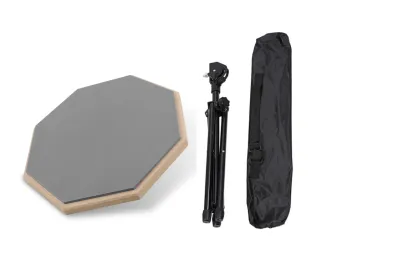
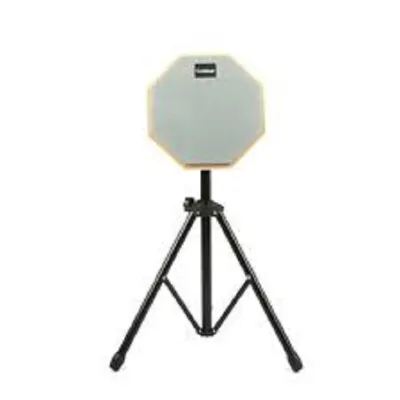
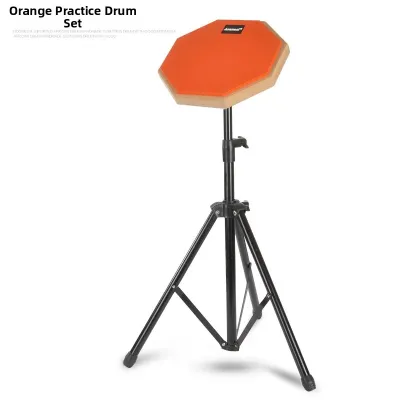
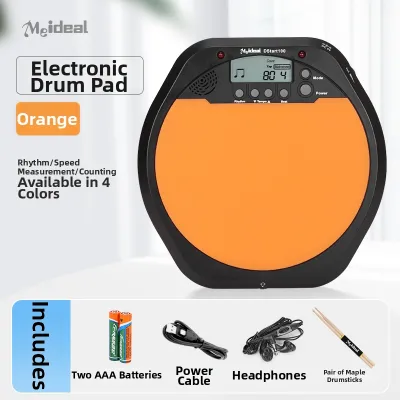
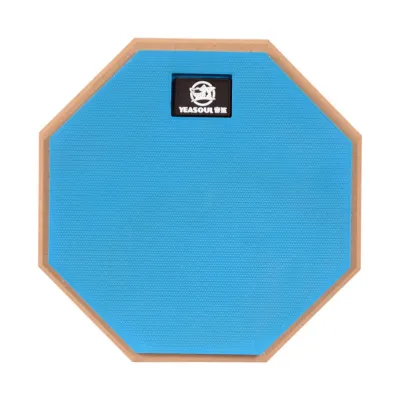
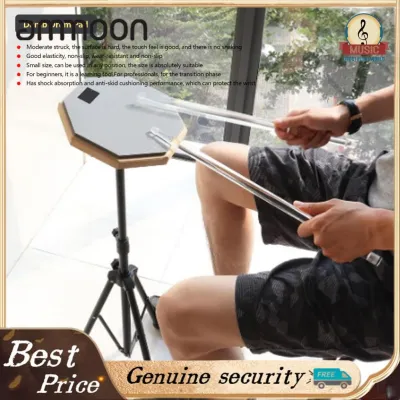
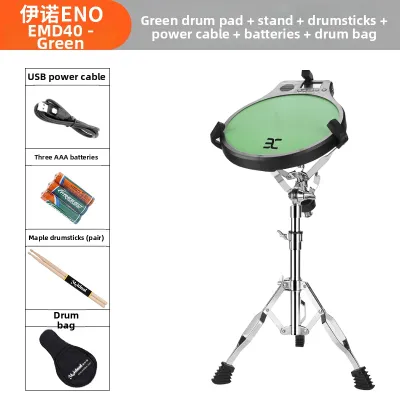
Prices are valid at publication and may change. Please refer to the product page for the latest price.
Evaluating Surface Materials and Rebound Feel
The material on the face of your practice pad dictates both the physical feedback you receive and the volume of your practice sessions. Gum rubber is the most common surface material, prized for its highly responsive, springy rebound that closely mimics the feel of a tensioned snare drum. This high-rebound characteristic is excellent for practicing fast double-stroke rolls and building finger control, as the surface does much of the work in returning the stick to your hand.
In contrast, pads made from harder rubber, dense silicone, or specialized clay-like compounds offer a much lower rebound. These low-rebound surfaces force your wrists and forearms to do the heavy lifting to lift the stick after each stroke, making them exceptional tools for building pure physical strength and endurance. Many experienced drummers use low-rebound pads specifically to warm up or to correct lazy stick-height habits that high-rebound surfaces can sometimes mask.
Noise reduction is critical for practicing in compact apartments where sound easily penetrates concrete walls. Soft, thick gum rubber or foam-backed pads absorb stick impact, dampening the high-pitched clack into a low, dull thud. If minimizing noise is your primary concern, look for pads with multi-layered dampening bases that prevent vibrations from transferring directly into your desk or stand.
For maximum versatility, dual-sided practice pads offer two distinct playing surfaces mounted on a single wooden or composite base. Typically, one side features a soft, high-rebound gum rubber for speed and quiet practice, while the reverse side features a harder, textured rubber that produces a louder, more articulate sound with minimal rebound. This dual-surface design allows you to switch seamlessly between building speed and developing wrist strength without needing to carry two separate pads.
Selecting the Right Size, Thickness, and Rim Design
Practice pads range from 6 to 12 inches in diameter, balancing portability with a realistic target area. A standard 12-inch pad is recommended for home practice because it fits inside a standard snare drum basket, allowing you to mount it at the exact height and angle of your kit. This larger surface area helps build accurate muscle memory without requiring constant arm adjustments.

On the other hand, smaller 6-inch or 8-inch pads are incredibly lightweight and easy to slip into a backpack, making them the preferred choice for students commuting to lessons or musicians practicing on the go. While these smaller pads require much higher precision to hit consistently, they can actually help improve your accuracy over time by forcing you to focus on a concentrated striking zone.
The thickness of the pad and the inclusion of a raised rim also play a significant role in how realistically the pad mimics an actual drum. Some advanced pads feature a raised plastic or hard rubber rim along the top edge, designed to simulate the hoop of a snare drum. This allows you to practice rimshots, cross-sticks, and hybrid accent patterns safely without damaging your drumsticks or hurting your hands on a flat surface.
Before purchasing, consider where the pad will primarily sit during your practice sessions. If you plan to place it on a flat desk, a bed, or even your lap, look for a pad with a non-slip, protective foam backing to prevent it from sliding around or scratching your furniture. If you intend to use a dedicated snare stand, ensure the pad’s thickness and outer rim are robust enough to be clamped securely by the stand’s basket arms without warping the pad’s base.
Aligning Your Choice with Skill Level and Practice Goals
Your current proficiency level and immediate musical goals should heavily influence the specific features you prioritize in a practice pad. For beginners, a forgiving, high-rebound gum rubber pad is often the best starting point. This high level of rebound helps novice players focus on basic hand positioning, grip correction, and fundamental rudiments without getting frustrated by the physical effort required to lift the sticks.
As you progress to intermediate and advanced levels, your practice needs will shift toward developing dynamic control, articulation, and realistic snare response. Advanced players often benefit from pads that offer a more realistic, less bouncy feel, which closely replicates the tension of a marching snare or a loosely tuned tom. These pads allow you to hear every micro-flaw in your double-strokes and paradiddles, ensuring your technique remains clean and precise when transitioning to an acoustic kit.
Your preferred musical genre also dictates your pad requirements. For example, marching percussionists require extremely hard, high-tension surfaces—often incorporating a layer of carbon fiber or specialized laminate—to mimic the ultra-tight feel of a marching snare drum. Conversely, drum set players practicing jazz or rock may prefer a softer, more expressive surface that allows for a wider range of dynamic levels and subtle ghost notes.
Practicing dynamics requires a surface that projects the difference between an accented stroke and a soft ghost note. Some pads are engineered to provide distinct acoustic feedback based on how hard you strike. If your goals include mastering complex, expressive rudiments, look for a pad that offers clear tonal variation rather than a completely deadened sound.
Considering Portability and Mounting Compatibility
How you plan to transport and mount your practice pad is just as important as how the surface feels under your sticks. Standalone portable pads are designed for maximum convenience, often featuring built-in leg straps that allow you to secure the pad directly to your thigh for quick warm-ups in a car, backstage, or in a waiting room. These highly compact models are perfect for busy lifestyles but may lack the stability required for intense, high-velocity practice sessions.
If you prefer a more permanent setup, heavier wood-based pads are designed to be mounted on standard snare stands or dedicated practice pad stands. Many of these pads feature a threaded insert on the bottom—typically 8mm in size—which allows you to screw the pad directly onto a compatible cymbal stand or desktop tripod. Before buying, check the thread size of your existing hardware to ensure seamless compatibility without needing to purchase additional adapters.
Weight is critical for students and traveling musicians. A heavy, double-sided 12-inch pad adds significant weight to a backpack during long commutes. For these situations, a lightweight single-sided 8-inch pad with a threaded mounting insert offers an excellent compromise, providing a stable playing surface while remaining highly portable.
Finalizing Your Shortlist: Pre-Purchase Checks
Before finalizing your purchase, it is essential to perform a few practical checks to ensure the pad you select meets your expectations and fits your budget. Start by verifying the exact product specifications, including the precise material composition, diameter, and weight, directly from the manufacturer’s official product listing. This prevents any surprises regarding the pad’s physical footprint or surface texture when it arrives.
Next, review the return policies, warranty terms, and shipping conditions offered by your chosen online marketplace or local music store in Singapore. Because rubber and silicone surfaces can vary slightly in texture and feel, having the option to exchange or return the pad if it does not suit your playing style is highly valuable. Additionally, check if the retailer offers local customer support in case you encounter any manufacturing defects.
Finally, ensure your choice aligns with your budget in S$ while supporting your long-term practice objectives. While it is tempting to opt for the cheapest option, investing in a durable, high-quality pad with a robust base and reliable surface saves money in the long run by outlasting cheaper alternatives. A well-chosen practice pad is an investment that supports your musical growth for years.
Frequently Asked Questions (FAQ)
Can I use a standard drum practice pad with double bass drum pedals?
Standard snare-focused practice pads are not designed to withstand the heavy, direct impact of double bass drum pedals. These pads lack the vertical mounting brackets and structural stability required to keep a kick pedal secure, and using them on the floor will result in the pad sliding away. Furthermore, soft rubber or silicone surfaces can easily be torn or dented by hard plastic, wood, or felt beaters. To practice foot technique safely and effectively, invest in a dedicated kick drum practice pad featuring a heavy-duty vertical frame, a secure pedal mounting plate, and a specialized strike zone.
Do I need a specific type of drumstick for a practice pad?
While you can use almost any standard drumstick on a practice pad, the tip material and shaft weight affect both the lifespan of the pad and your practice experience. Wood tips are recommended because they provide a natural rebound and are less likely to scuff the surface compared to nylon tips. Avoid using heavily damaged, chipped, or splintered sticks, as sharp edges can easily tear soft rubber and silicone. For the best results, keep a dedicated pair of clean, smooth sticks specifically for your practice pad sessions.
How do I clean and maintain the rubber or silicone surface?
To keep your practice pad in optimal condition, perform regular visual inspections and gently wipe the surface with a dry, lint-free microfiber cloth to remove dust and skin oils. Over time, these oils build up and make the surface slippery, reducing stick control. Before applying any liquid cleaners, check the product manual, as certain chemicals can cause rubber or silicone to dry out or become permanently sticky. If you live in a highly humid climate like Singapore, store your pad in a cool, dry place away from direct sunlight to prevent the adhesive backing from degrading. If the surface shows signs of irreversible stickiness, stop using it and consult the manufacturer.
Community discussion
Share your experience or ask a question. Comments are reviewed before publication.