
A 5A drum stick is a medium-sized, highly versatile drum stick that serves as a standard for drummers of all genres. The “5” refers to the diameter (with lower numbers historically representing thicker sticks), while the “A” originally designated an orchestral model designed for lighter, more delicate playing. Today, the 5A profile represents a highly balanced middle ground in weight, length, and thickness, making it a popular starting point for beginners and a reliable choice for professional session players.
The 5A Designation: What the Numbers and Letters Actually Mean
The letter and number system used to classify drum sticks dates back to the early days of modern drum manufacturing, when manufacturers established standardized codes to help players identify stick sizes. The letters originally indicated the intended musical application. The letter “A” stood for orchestral or “arena” use, representing a lighter stick designed for classical ensembles and softer acoustic environments. The letter “B” stood for band, indicating a thicker stick meant for concert bands and brass ensembles that required more volume. The letter “S” stood for street, representing heavy, thick sticks designed for marching bands and outdoor performances.
The numbers in the classification system generally correlate with the thickness and weight of the stick, though the logic is somewhat counterintuitive to modern players. Historically, a lower number indicated a thicker stick diameter, while a higher number indicated a thinner stick. For example, a 2B stick is significantly thicker and heavier than a 7A stick.
Products mentioned in this guide
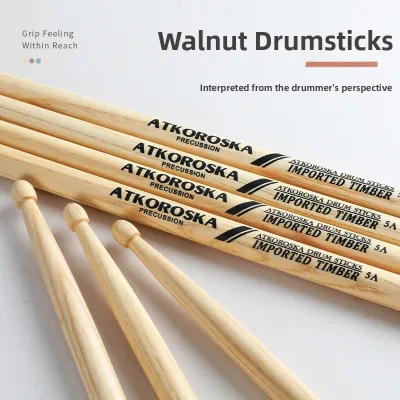

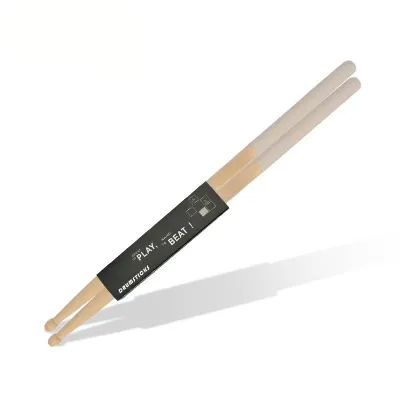
![[SG FREE ] Professional Drum Sticks 5A Hickory Walnut Wood 5A Drumsticks 7A Musical Instruments Drum Sticks One](https://img.lazcdn.com/g/p/3dabcb89b8581e32457f201515fa7632.jpg_400x400q80.jpg_.webp)
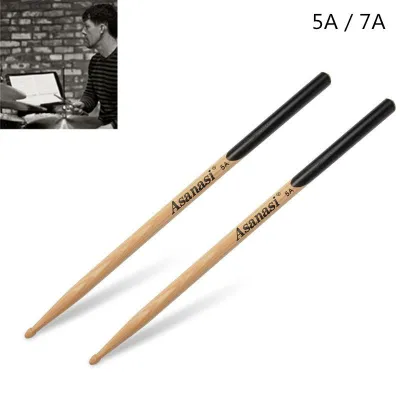
![【ChuYouh】[Hot Sale]One Pair of 5A Wooden Drumsticks Drum Sticks Maple Wood Drum Set Accessories](https://img.lazcdn.com/g/p/7cd8befff4084a2d69b24b9938a74e94.jpg_webp_400x400q80.jpg_.webp)

Prices are valid at publication and may change. Please refer to the product page for the latest price.
The 5A stick sits right in the middle of this spectrum. By combining a medium-sized diameter with the versatile “A” profile, it emerged as the industry baseline. It offers enough mass to produce a full tone on drums and cymbals without being too heavy or fatiguing during long playing sessions. Over the decades, this balanced design has made the 5A among the most widely manufactured and purchased drum stick sizes in the world.
Key Dimensions of a 5A Drum Stick: Length, Diameter, and Taper
While exact measurements vary slightly by manufacturer, a standard 5A drum stick typically features a diameter of around 0.565 inches (about 14.3 mm) and a length of 16 inches (about 40.6 cm). These dimensions provide a balanced reach and a comfortable grip for the average hand size, allowing for natural hand movements and excellent control.

The taper—the section where the stick narrows from the shaft to the tip—plays a critical role in how the stick behaves. A medium taper is standard on most 5A models, offering an even balance between rebound and power. A longer taper shifts the weight toward the butt end, making the stick feel lighter and faster, whereas a shorter taper keeps more weight near the front for a heavier, more powerful strike.
The tip shape also influences your sound. Many 5A sticks come with teardrop, oval, or round tips made of either wood or nylon. Teardrop tips produce a warm, focused tone on cymbals, while nylon tips offer a brighter, more cutting articulation and increased durability.
Is 5A the Right Size for Your Playing Style?
Because of its balanced proportions, the 5A stick excels in a wide range of musical genres, including pop, rock, blues, funk, and versatile session work. It is heavy enough to drive a solid backbeat but light enough to handle intricate ghost notes and fast fills.
However, your physical build and technique also dictate comfort. If you have larger hands or play high-volume genres like heavy metal or hard rock, you might find the 5A lacking in power and durability. In these cases, sizing up to a 5B or 2B provides the extra mass needed to project through loud guitar amplifiers.
Conversely, if you specialize in delicate acoustic jazz, folk, or low-volume restaurant gigs, a 5A might feel slightly too heavy or loud. Sizing down to a 7A or a specialized jazz stick allows for greater control over soft dynamics and faster, lighter strokes.
How to Compare 5A Sticks Across Different Brands
Even though “5A” is a universal category, it is not a strictly regulated standard. A 5A stick from one manufacturer may feel noticeably different from another brand’s version due to subtle variations in dimensions, wood selection, and manufacturing processes.
When shopping, always check the exact specifications on the product packaging or the manufacturer’s website. Pay close attention to the wood type, as this heavily influences density and weight. Hickory is the most common choice, offering excellent shock absorption and durability. Maple is lighter and more flexible, allowing for a thicker stick that doesn’t feel heavy, while oak is dense and highly durable but transmits more vibration to your hands.
Additionally, consider the finish of the stick. Some brands apply a heavy lacquer that can become slippery when your hands sweat, while others offer a natural, raw wood finish or specialized grip coatings. Testing different brands will help you find the specific 5A variation that matches your grip and playing style.
Frequently Asked Questions (FAQ)
Are 5A drum sticks good for beginners?
Yes, 5A drum sticks are widely considered an excellent starting point for beginners. Their balanced weight and medium diameter allow new players to develop proper hand strength, grip, and stroke techniques without fighting an overly heavy or excessively thin stick. Starting with a 5A helps build a neutral muscle memory baseline, making it much easier to transition to lighter or heavier sticks later if your musical preferences change.
What is the difference between 5A and 7A drum sticks?
The primary differences lie in diameter, weight, and overall mass. A 7A drum stick is thinner and lighter than a 5A, typically measuring around 0.540 inches in diameter and often slightly shorter in length. This makes the 7A well-suited for low-volume settings, jazz, and players with smaller hands, whereas the 5A offers more volume, durability, and versatility across diverse musical genres.
Do all 5A drum sticks weigh exactly the same?
No, 5A drum sticks do not all weigh the same. Because wood is a natural material, individual sticks can vary in density and moisture content, leading to slight weight differences even within the same brand. To address this, reputable manufacturers pitch-pair and weight-match their sticks into identical pairs before packaging, ensuring that the two sticks in your hand feel balanced and sound consistent.
Community discussion
Share your experience or ask a question. Comments are reviewed before publication.