
Finding your next great read after turning the final page of The Hunger Games requires looking for stories that capture its unique blend of high-stakes survival, systemic rebellion, and deeply felt personal sacrifice. The journey of Katniss Everdeen resonated globally because it combined the raw tension of a survival tournament with a sharp critique of media obsession, class disparity, and authoritarian control. Fortunately, the dystopian genre is vast and incredibly diverse, offering numerous avenues for readers who crave that same gripping momentum and thematic depth. Whether you are drawn to the fast-paced survival trials of young adult fiction or the intricate, slow-burning political intrigue of adult speculative literature, there is a wealth of stories waiting to be explored.
Expanding your reading horizons also reveals how different cultures interpret the concept of a dystopian future. While Western blockbusters often dominate the bestseller lists, speculative fiction writers from Singapore offer a distinct and fascinating perspective on societal control, environmental anxiety, and technological integration. By looking at both global classics and regional masterpieces, you can discover how different environments shape the stories we tell about survival and resistance. This guide will help you navigate the best post-Hunger Games reads, from international sensations to brilliant local works that deserve a prominent spot on your bookshelf.
Core Themes to Look for in Post-Hunger Games Dystopian Fiction
To find a book that truly satisfies your craving for dystopian storytelling, it helps to understand the specific narrative engines that drive these novels. At the heart of the genre lies the struggle against an oppressive regime. These societies are typically characterized by extreme surveillance, rigid social stratification, and a ruling class that maintains power through fear, propaganda, or manufactured scarcity. When selecting your next book, look for settings where the environment itself feels like a character—a highly controlled city, a ruined wasteland, or a high-tech panopticon that limits human agency.
Products mentioned in this guide
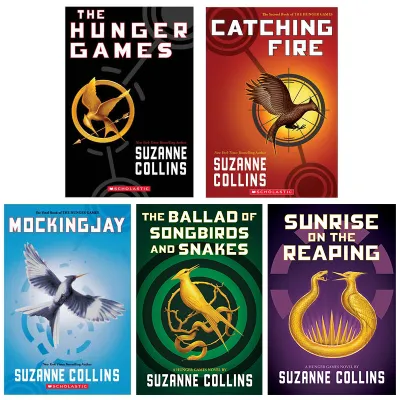

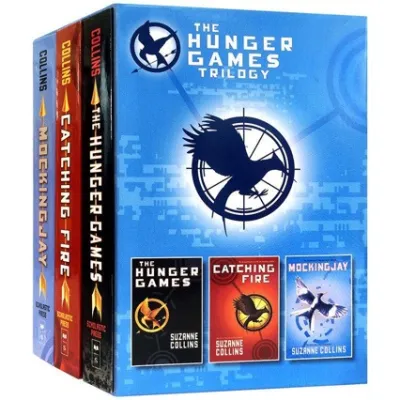
![[3 Book/Set][in Stock] Hunger Games Trilogy: The Hunger Games](https://img.lazcdn.com/g/p/ab1d7b058b8e43277f6d1bc5b72ae0ec.jpg_400x400q80.jpg_.webp)
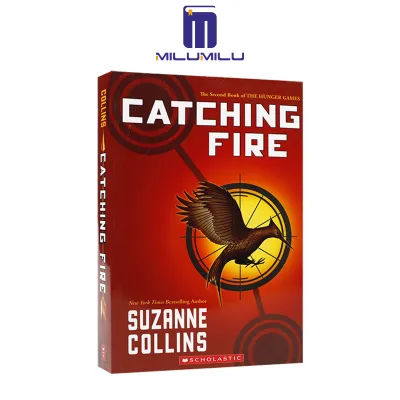
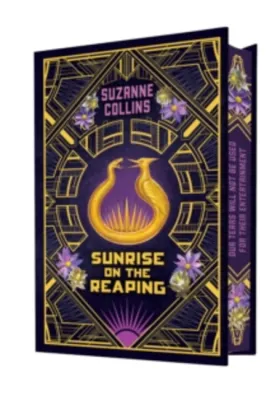
Prices are valid at publication and may change. Please refer to the product page for the latest price.
Another major draw is the survival tournament or trial trope. This narrative device forces characters into artificial, high-stakes environments where they must compete, cooperate, or rebel to survive. These trials serve as a microcosm of the larger society’s cruelty, forcing the protagonists to make difficult moral compromises. If you enjoyed the tactical battles and shifting alliances of the arena, look for books that feature structured competitions, deadly games, or rigorous initiation rites that test both physical endurance and psychological resilience.
It is also useful to distinguish between young adult (YA) pacing and adult speculative fiction complexity. YA dystopian novels, much like the original The Hunger Games trilogy, tend to feature rapid pacing, immediate emotional stakes, a strong focus on identity and coming-of-age, and clear-cut battles between good and evil. Adult speculative fiction, on the other hand, often slows down to examine the bureaucratic machinery of oppression, the moral gray areas of revolution, and the long-term psychological toll of living under a totalitarian state. Deciding which of these approaches fits your current reading preference will help you choose a book with the right narrative speed and thematic weight.
Finally, pay attention to the underlying political and social commentary. The best dystopian fiction does not just invent futuristic nightmares for entertainment; it holds a mirror to contemporary anxieties. Whether a novel addresses climate change, wealth inequality, corporate overreach, or the loss of privacy in a digital age, the presence of a strong, thought-provoking subtext is what elevates a simple survival story into a lasting literary work.
Global Dystopian Novels That Capture the Hunger Games Spirit
If you want to capture the immediate adrenaline and high-stakes tension of Panem, several globally acclaimed novels offer fantastic entry points. These books share the thematic DNA of rebellion, survival, and systemic critique, while introducing unique worlds and distinct narrative voices.

Red Rising by Pierce Brown is an exceptional choice for readers ready to transition from YA to a slightly more mature, expansive sci-fi setting. Set on a color-coded, caste-based future Mars, the story follows Darrow, a lowly “Red” miner who works beneath the surface to make the planet habitable for future generations. Upon discovering that the ruling “Gold” caste has lived in luxury on the surface for centuries while his people slave away, Darrow undergoes a dangerous physical transformation to infiltrate the elite and bring down the society from within. The book features a brutal, gladiator-style training academy that heavily echoes the survival elements of the arena, combined with complex political maneuvering and intense action. It is best suited for older teens and adults due to its graphic violence and complex military strategy.
For those who loved the faction-based societal structure and the theme of finding one’s identity within a rigid system, Divergent by Veronica Roth is a classic YA companion. In a futuristic, walled-in Chicago, society is divided into five factions based on personality traits: selflessness, bravery, honesty, intelligence, and peacefulness. At sixteen, Beatrice Prior must choose her lifelong faction, only to discover she is “Divergent”—possessing traits of multiple factions, making her an unpredictable threat to the government’s carefully maintained order. The novel features fast-paced physical training, high-stakes initiation tests, and a budding romance, making it a perfect match for fans of the immediate, character-driven pacing of The Hunger Games.
Another highly cinematic YA option is The Maze Runner by James Dashner. The story begins with Thomas waking up in a metal elevator with no memories of his past, arriving in “The Glade”—a large open area surrounded by giant stone walls that shift every night to form an unsolvable maze. Along with a community of other teenage boys, Thomas must figure out how to navigate the deadly maze, which is patrolled by bio-mechanical monsters, to find a way home. The book relies heavily on mystery, survival tactics, and a sense of claustrophobia, appealing directly to readers who enjoyed the environmental puzzles and survival mechanics of the arena.
If you are looking for a deeper, more literary exploration of systemic oppression, The Handmaid’s Tale by Margaret Atwood offers a chilling, adult perspective on societal control. Set in the totalitarian Republic of Gilead, which has overthrown the United States government, the novel follows Offred, one of the few remaining fertile women forced into reproductive servitude. While it lacks the action-heavy pacing of YA survival tournaments, its quiet, devastating exploration of resistance, complicity, and the slow erosion of human rights provides a profound reading experience that highlights the political roots of the dystopian genre.
Speculative and Dystopian Fiction by Singaporean Authors
While global bestsellers offer thrilling adventures, exploring speculative and dystopian fiction by Singaporean authors provides a unique opportunity to see how local cultural contexts, urban landscapes, and regional anxieties shape the genre. Singapore’s rapid modernization, dense urban architecture, and multicultural society offer a rich canvas for speculative world-building.
A standout work in this space is The Gatekeeper by Nuraliah Norasid, which won the prestigious Epigram Books Fiction Prize. This beautifully written novel blends speculative fiction, mythology, and dystopian themes to explore segregation, marginalization, and societal control. The story follows Ria Carter, a young woman with medusa-like hair who can turn living beings to stone, as she guards the border between the affluent, highly controlled city of Miri and the outer ruins where marginalized communities reside. When she is forced to flee into the subterranean tunnels beneath the city, she discovers a diverse community of outcasts. The novel serves as a powerful allegory for social stratification, displacement, and the human cost of maintaining a pristine, highly regulated society, echoing the stark divides between the Capitol and the Districts.
Another excellent entry point is The Infinite Library and Other Stories by Victor Fernando R. Ocampo. This collection of speculative short stories ranges from hard science fiction to alternative histories and dystopian futures, deeply rooted in Southeast Asian settings and cultural motifs. Ocampo’s stories often explore how advanced technologies, environmental degradation, and bureaucratic systems impact ordinary lives. By blending regional folklore with futuristic concepts, the collection offers a fresh, non-Western perspective on how societies adapt to, or resist, technological and political control.
The influence of Singapore’s unique environment is highly visible in these works. The contrast between highly manicured, high-tech urban spaces and the wild, tropical nature that surrounds them often inspires themes of environmental control and climate fiction (cli-fi). Furthermore, the experience of living in a highly organized, efficient city-state naturally lends itself to stories that question the balance between societal order and individual freedom—a core tension that lies at the heart of all great dystopian literature.
To discover more local speculative fiction, readers can look to regional publishers such as Epigram Books and Ethos Books, which actively champion local voices. Paying attention to local literary awards, such as the Singapore Literature Prize, and exploring speculative anthologies (such as the Lontar series or local climate fiction collections) are fantastic ways to find curated, high-quality stories that offer a fresh perspective on the dystopian genre.
How to Match Your Reading Mood to the Right Dystopian Subgenre
With so many excellent options available, choosing your next book depends heavily on your current reading mood, preferred pacing, and the specific elements of The Hunger Games you want to replicate. Some readers crave the adrenaline of survival trials, while others prefer to dissect the political machinery of a corrupt state.
To help you narrow down your choices, consider the following decision matrix matching common reader preferences to specific dystopian subgenres:
| Reading Mood | Key Narrative Elements | Recommended Subgenre | Example Style |
|---|---|---|---|
| High-octane action & survival | Deadly arenas, physical trials, fast pacing | Survival Dystopia | Gladiator-style challenges, maze navigation |
| Intricate political intrigue | Rebellion planning, class warfare, space settings | Sci-Fi / Dystopian Space Opera | Caste-based revolutions, military infiltration |
| Psychological & societal critique | Quiet resistance, heavy world-building, moral gray areas | Classic / Adult Speculative Fiction | Totalitarian regime studies, systemic surveillance |
| Mythological & cultural fusion | Folklore mixed with urban control, diverse settings | Speculative Fantasy / Mythic Dystopia | Segregated cities, subterranean communities |
When preparing to start a new book, it is also wise to consider the format and availability. If you prefer immediate access, e-books and audiobooks are widely available through digital platforms and library apps. For those who enjoy the tactile experience of reading, physical copies can be sourced from local independent bookstores or regional publishers.
Additionally, think about your preferred time commitment. If you enjoy long-term character development and expansive world-building, committing to an ongoing series like Red Rising or Divergent can be incredibly rewarding. However, if you prefer a self-contained story with a resolved ending, standalone novels or short story collections offer a satisfying narrative arc without the need to wait for subsequent installments.
Frequently Asked Questions (FAQ)
Are there official prequels or companion books to The Hunger Games?
Yes, Suzanne Collins has expanded the universe of Panem with official prequels. The Ballad of Songbirds and Snakes focuses on the youth of Coriolanus Snow, decades before he became the tyrannical president of Panem, centering on the 10th annual Hunger Games. A subsequent prequel, Sunrise on the Reaping, explores the 50th Hunger Games, focusing on Haymitch Abernathy’s victory. These prequels differ tonally from the original trilogy; they are more character-driven, slower-paced, and heavily focused on the philosophical and political origins of the games rather than immediate survival action.
Where can I find and support local speculative authors in Singapore?
You can easily find and support local speculative fiction through several avenues. The National Library Board (NLB) offers a robust selection of local titles across its physical branches and digital catalog via the Libby app. For purchasing, supporting local independent bookstores—especially those located in cultural districts or independent retail spaces—ensures that regional literature thrives. Additionally, buying directly from local publishers’ online storefronts, attending the Singapore Writers Festival, or visiting local book fairs are excellent ways to discover new authors, secure signed copies, and support the regional literary ecosystem.
Community discussion
Share your experience or ask a question. Comments are reviewed before publication.