
Deciding whether to invest your time and money in a health book can be challenging, especially when the market is flooded with conflicting dietary advice. Dr. William Li’s Eat to Beat Disease stands out as a compelling, science-backed guide that shifts the focus from restrictive dieting to actively adding health-promoting foods to your plate. For health-conscious readers in Singapore seeking a sustainable, preventative approach to wellness, this book is highly worth reading. It provides a refreshing perspective by explaining how specific foods support the body’s natural defense systems, making it a valuable addition to your self-improvement library.
Rather than prescribing a rigid, one-size-fits-all diet, the book empowers you to make informed choices based on your unique lifestyle and preferences. It bridges the gap between complex molecular biology and everyday eating habits, translating clinical research into practical dietary decisions. Whether you are looking to optimize your energy levels, support your immune system, or understand the preventative power of nutrition, this book offers a structured framework to help you navigate the grocery aisles with confidence.
Core Concepts: What 'Eat to Beat Disease' Actually Teaches
At the heart of Eat to Beat Disease is the premise that the body possesses five core defense systems that maintain health and resist chronic illnesses. These systems are angiogenesis, regeneration, the microbiome, DNA protection, and immunity. Dr. Li explains that health is not merely the absence of disease, but an active state maintained by these biological mechanisms. By understanding how these systems function, you can select specific foods that stimulate or support them, effectively using nutrition as a tool for long-term health preservation.
Products mentioned in this guide
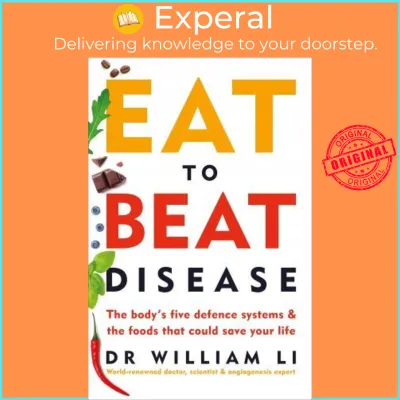


Prices are valid at publication and may change. Please refer to the product page for the latest price.
Angiogenesis, the process by which the body grows new blood vessels, is a primary focus of the book. The author details how certain foods can inhibit abnormal blood vessel growth, which is crucial for preventing diseases like cancer, while others promote healthy circulation. The regeneration system relies on stem cells to repair and rebuild damaged tissues, and the book highlights foods that help mobilize these cells. Additionally, the text explores the gut microbiome, emphasizing how a diverse ecosystem of beneficial bacteria influences digestion, metabolism, and mental clarity.
The remaining two defense systems, DNA protection and immunity, are equally vital. The book explains how antioxidants and specific nutrients shield our genetic code from environmental damage and accelerate natural repair mechanisms. Meanwhile, the immune system is portrayed as a sophisticated defense network that can be fine-tuned through dietary choices. Dr. Li connects everyday ingredients—ranging from green tea to specific fruits and seafood—to the activation of these five systems, providing a scientific rationale for why certain traditional foods have long been associated with longevity.
Crucially, the book maintains a clear distinction between using food for preventative wellness and treating acute medical emergencies. Dr. Li does not position dietary changes as a replacement for modern medicine or emergency healthcare. Instead, the focus is on long-term risk reduction and supporting the body’s baseline resilience. This balanced perspective ensures that readers view nutrition as a powerful, complementary strategy for lifelong health rather than a miraculous cure-all for active, severe clinical conditions.
Target Audience: Who Will Benefit Most From This Book?
This book is exceptionally well-suited for individuals who enjoy understanding the “why” behind nutritional advice. If you are a reader who appreciates scientific explanations, clinical study summaries, and biological mechanisms, you will find the detailed chapters highly engaging. It appeals to those who prefer a positive, additive approach to nutrition—focusing on what beneficial foods to include in their meals rather than obsessing over strict restrictions, calorie counting, or cutting out entire food groups.

Conversely, readers looking for a quick-fix weight loss protocol, a highly structured daily meal plan, or a collection of rapid recipes may find the book’s format less aligned with their immediate goals. The text is dense with scientific terminology and detailed explanations of clinical trials, which might feel overwhelming if you prefer straightforward, bulleted action steps without the underlying biological context. It is a book designed for long-term lifestyle integration rather than a temporary diet challenge.
The reading experience successfully balances academic depth with practical utility. While the initial chapters require focused attention to grasp the biological defense systems, the latter half of the book transitions into highly accessible food lists and practical frameworks. This structure allows you to appreciate the scientific validation of the recommendations before diving into the actionable guides, ensuring that your dietary adjustments are grounded in a clear understanding of their physiological benefits.
Local Practicality: Applying the Diet in Singapore
One of the most common challenges with international nutrition books is the accessibility of recommended ingredients. Fortunately, many of the foods highlighted in Eat to Beat Disease are readily available in Singapore. Local supermarkets, as well as traditional wet markets, stock a wide variety of the book’s recommended staples. From leafy green vegetables like bok choy and spinach to various types of mushrooms, green tea, and fresh seafood, finding these health-promoting ingredients is highly feasible.
Adapting the book’s principles to Singapore’s vibrant food culture, particularly hawker centers, requires some mindful customization but is entirely achievable. When dining out, you can apply the core concepts by opting for dishes that feature whole foods and diverse vegetables. For instance, ordering a bowl of sliced fish soup with extra vegetables, choosing brown rice when available, or selecting a variety of vegetable and tofu dishes at an economy rice stall are excellent ways to align your meals with the book’s recommendations. The key is to prioritize minimally processed ingredients and maximize the variety of plant-based foods on your plate.
Transitioning to a whole-food, plant-heavy diet does not have to rely on expensive, imported superfoods that strain your budget. While the book mentions some specialty items, many of the most powerful defense-boosting foods are affordable, everyday staples in Asian households. Ingredients such as garlic, ginger, soy products, local mushrooms, and green tea are highly cost-effective and pack a significant nutritional punch. By focusing on locally sourced, seasonal produce and regional staples, you can easily implement Dr. Li’s framework without incurring high grocery bills.
Action Plan: How to Start Eating to Beat Disease Today
To begin applying the book’s principles immediately, start with a basic pantry and kitchen audit. Examine your current staples and identify items that may hinder your body’s defense systems, such as highly processed snacks, sugary beverages, and foods high in artificial additives. Gradually replace these with whole-food alternatives that support your biological defenses. For example, swap refined cooking oils for extra virgin olive oil, and replace sugary snacks with a variety of raw nuts, seeds, or fresh fruits.
When grocery shopping, establish clear criteria based on the book’s recommended food categories. Aim to fill your basket with a diverse array of colorful vegetables, fruits, legumes, and whole grains. Look for fresh, seasonal produce, and pay attention to the variety of items you select each week. A simple rule of thumb is to choose foods from different color groups to ensure you are consuming a wide spectrum of bioactive compounds that target different defense systems.
Incorporating these foods into your daily routine can be achieved through simple, low-risk habits. Start by adding one microbiome-supporting food, such as yogurt, kefir, or fermented vegetables like kimchi, to your daily meals. Additionally, introduce angiogenesis-inhibiting beverages like high-quality green tea or black tea into your morning or afternoon routine. These small, consistent adjustments require minimal effort but can significantly enhance your daily intake of health-promoting compounds, setting a solid foundation for long-term wellness.
Purchasing Guide: Choosing the Right Edition and Format
When deciding to purchase Eat to Beat Disease, selecting the right format depends heavily on your reading habits and lifestyle. The hardcover and paperback editions are excellent for those who prefer a physical reference book, allowing you to easily flip back and forth between the scientific chapters and the extensive food lists in the appendices. If you prefer reading on the go or have limited shelf space in your home, the e-book format offers searchability, making it incredibly convenient to look up specific ingredients while grocery shopping.
For those with busy schedules or long commutes, the audiobook format is a highly engaging option, often narrated with clarity and enthusiasm. However, if you choose the audiobook, ensure that it comes with an accompanying PDF download of the food lists and reference guides, as having a visual reference is crucial for practical application. It is also wise to check the publication details to ensure you are purchasing the most recent printing, which may contain updated references or refined formatting.
Before finalizing your purchase, verify the language options and regional compatibility of the edition, especially when buying digital or audio formats from international platforms. To ensure you receive a complete, high-quality copy, purchase through authorized local bookstores or official online marketplaces. Verifying the seller’s authenticity helps you avoid counterfeit prints or incomplete digital files, ensuring you have access to the full, unabridged text and all accompanying resources.
Frequently Asked Questions (FAQ)
Does the book provide specific meal plans or recipes?
The book functions primarily as a conceptual and educational guide rather than a structured cookbook. While it does not provide rigid, day-by-day meal plans, it includes a highly practical framework designed to help you easily incorporate five defense-boosting foods into your daily meals. Additionally, the book offers a selection of simple, health-promoting recipes and extensive food lists. These resources are designed to empower you to design personalized meals that fit your taste preferences and cultural background, rather than forcing you to follow a restrictive culinary routine.
Is 'Eat to Beat Disease' suitable for people with existing medical conditions?
The core principles of the book focus on general wellness, preventative nutrition, and supporting the body’s natural resilience. If you have an existing medical condition, are pregnant, or are taking prescription medications, it is critical to approach any major dietary changes with caution. Certain foods highlighted in the book may interact with specific medications or influence clinical conditions. Therefore, you should always consult a qualified healthcare professional or a registered dietitian before modifying your diet, ensuring that any changes safely complement your prescribed medical treatment plan.
Community discussion
Share your experience or ask a question. Comments are reviewed before publication.