
Choosing between the Efnote 3 and Efnote 5 electronic drum kits comes down to balancing your physical space, aesthetic preferences, and budget. Both kits utilize high-quality multi-sensor mesh heads and advanced sound modules, but they target different drumming experiences. The Efnote 3 offers a compact, modern design with a lightweight rack system that fits easily into space-constrained homes. In contrast, the Efnote 5 features traditional birch wood shells and a standard acoustic-style hardware configuration, providing a more authentic visual and physical transition for drummers accustomed to acoustic kits.
Core Differences in Hardware and Pad Configuration
When comparing the physical builds of these two electronic drum kits, the most striking difference lies in their shell design and mounting hardware. The Efnote 3 utilizes low-profile, compact monocoque shells mounted on a dedicated rack system. This design minimizes the overall footprint, making it highly suitable for tight practice corners or shared living areas where space is at a premium. You should verify the exact dimensions of your designated practice area before purchase to ensure the rack can be adjusted comfortably to your playing stance.
The Efnote 5 shifts toward a traditional aesthetic by incorporating real birch wood drum shells. These deeper shells are mounted on individual double-braced acoustic-style stands rather than a unified rack. While this setup requires a slightly larger footprint and more time to assemble, it offers excellent stability and allows you to position each drum and cymbal with the exact flexibility of an acoustic kit.
Products mentioned in this guide
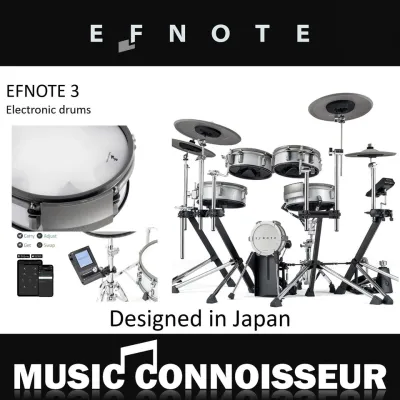
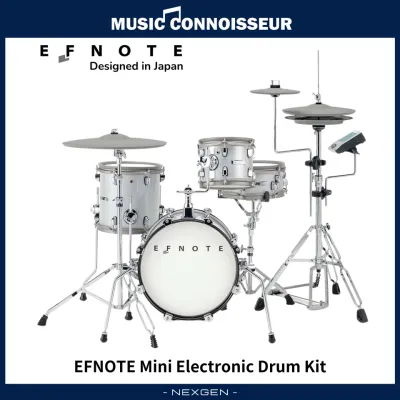
Prices are valid at publication and may change. Please refer to the product page for the latest price.
Pad sizes and configurations also differ between the standard packages. You should check the official manufacturer specifications for the exact diameter of the snare, toms, and cymbals included in each kit. Generally, the Efnote 5 features larger pad diameters, including a larger snare and floor tom, which closer mimic the target striking zones of an acoustic setup. Both models utilize multi-sensor mesh heads that provide realistic stick rebound and low acoustic noise, though the larger shell volume of the Efnote 5 can slightly alter the acoustic resonance of the pad strike.
When setting up in a typical Singapore residential layout, floor vibration and noise transmission are major considerations. You should evaluate the physical design of the kick pad on both models. The Efnote 3 features a compact, low-profile kick pad integrated into the rack system, whereas the Efnote 5 utilizes a separate, acoustic-style kick drum pad. The separate kick pad may require additional floor protection, such as a dedicated drum rug or noise-eating platform, to minimize low-frequency vibrations passing through the floorboards to your neighbors.
Cymbal configurations require careful inspection before buying. Check whether the standard package includes multi-zone ride, crash, and hi-hat cymbals. The physical swing and weight of the cymbals on both models are designed to simulate traditional bronze cymbals, but the mounting hardware on the Efnote 5 allows for more natural physical movement during heavy play.
Sound Module and Feature Comparison
The sound module is the brain of your electronic drum kit, and understanding the differences in processing power and connectivity is essential. Both the Efnote 3 and Efnote 5 modules share a similar core sound engine that focuses on high-resolution acoustic drum samples rather than heavily processed synthetic sounds. However, you must verify the exact number of preset kits, instrument sounds, and user kit slots available on each specific module version by consulting the official product manuals.

Connectivity options are critical if you plan to use your drums for recording, teaching, or live performance. Both modules typically offer USB audio and MIDI capabilities, allowing you to send multi-channel audio directly to a digital audio workstation (DAW) on your computer. You should check the specifications to confirm the exact number of output channels supported over USB, as this determines how much control you have over individual drum tracks during mixing.
Wireless connectivity is another feature to verify. Look for built-in Bluetooth support, which allows you to stream backing tracks directly from your smartphone or tablet to the module for play-along practice. Additionally, check for physical auxiliary inputs and dedicated headphone outputs, ensuring the connector sizes (such as 3.5mm or 6.35mm jacks) match your existing monitoring headphones or in-ear monitors.
Furthermore, check the expansion capabilities of each module. If you plan to expand your kit in the future with additional crash cymbals or effect pads, you must verify how many spare trigger inputs are available on the back of the module. Some modules utilize a multi-pin harness that limits expansion unless you use splitters or auxiliary input jacks. Reviewing the input/output diagram in the official user manual will prevent compatibility issues down the road.
For skill development, review the built-in coaching functions, metronome options, and onboard recording capabilities. A robust metronome with customizable time signatures and rhythm patterns is standard, but some module versions offer advanced analysis tools to help you track your timing accuracy. Verify these features in the user manual if structured practice tools are a priority for your learning goals.
Budget and Value Assessment
Investing in an electronic drum kit requires a clear understanding of the total cost of ownership. The price gap between the Efnote 3 and Efnote 5 is primarily driven by the physical hardware upgrades, wood shells, and individual stands of the latter. When evaluating this premium, consider whether the acoustic-like feel and larger pad sizes will directly benefit your practice routine or if the compact, rack-mounted design of the entry-level model is more practical for your current living situation.
You must also factor in potential additional costs that are rarely included in standard electronic drum packages. In Singapore, retail packages often exclude essential hardware such as a kick pedal, a hi-hat stand, a drum throne, and monitoring equipment. Before finalizing your purchase, check the retailer’s product listing to see exactly what is in the box. Budgeting for a high-quality bass drum pedal, a stable hi-hat stand, and comfortable isolating headphones can add several hundred S$ to your initial investment.
Additionally, consider the resale value and warranty coverage. Purchasing from an authorized local distributor ensures you receive a valid local warranty, which is crucial for electronic components like LCD touchscreens and multi-sensor triggers that can be costly to repair out of pocket. Verify whether the warranty covers both the electronic module and the physical pads, as wear-and-tear policies can vary between manufacturers.
Long-term value depends heavily on your commitment level and intended use. If you are a beginner or intermediate player focusing primarily on quiet home practice, the Efnote 3 offers excellent tracking and sound quality without the added cost and bulk of acoustic-style hardware. However, if you are a gigging musician or an advanced player transitioning frequently between electronic and acoustic kits, investing in the Efnote 5 early on can prevent the need for costly hardware upgrades later.
How to Make Your Final Decision
To choose the right Efnote model, evaluate your physical space, aesthetic preferences, and performance requirements. The Efnote 3 is the ideal choice if you need a compact, highly portable electronic drum kit that fits neatly into a small room or apartment. Its rack system keeps the setup unified and easy to move, making it a practical option for daily practice and quiet rehearsals without compromising on trigger sensitivity or sound quality.
The Efnote 5 is better suited if you prioritize the physical feel and visual presence of an acoustic drum kit. Its real wood shells, larger pad sizes, and individual double-braced stands provide a highly realistic playing experience that is beneficial for serious students and performing drummers. This model is particularly advantageous if you require deep module customization and a setup that feels natural when transitioning to a traditional acoustic kit on stage.
Before making a final decision, verify whether either kit fully meets your specific technical requirements. If you require advanced multi-channel analog outputs for professional studio routing or highly specialized trigger configurations, you may need to look at higher-tier models in the manufacturer’s lineup. Always consult authorized local distributors to verify product availability, warranty terms, and compatibility with your existing music gear.
Frequently Asked Questions (FAQ)
Can I upgrade the entry-level module to the advanced module later?
Upgrading your sound module independently is technically possible, but you must carefully check the manufacturer’s official compatibility charts before attempting a swap. Verify that the trigger cable harness, connector types, and multi-sensor pad configurations of your existing kit are fully supported by the new module. In some cases, firmware limitations or proprietary cable designs may require you to purchase additional adapters or a completely new wiring harness, which can significantly increase the cost of the upgrade.
Do these standard kits include a kick pedal and hi-hat stand?
Standard retail packages for both the Efnote 3 and Efnote 5 typically do not include a kick pedal, a hi-hat stand, or a drum throne. You must verify the exact package inclusions with your local retailer or the official product listing before purchasing. If these components are excluded, you will need to purchase compatible third-party hardware. Ensure that any hi-hat stand you select matches the mounting requirements of the Efnote motion-sensor hi-hat pad, and that your kick pedal is compatible with the physical design of the kick pad sensor.

Community discussion
Share your experience or ask a question. Comments are reviewed before publication.