
Elixir Nanoweb is an ultra-thin polymer coating applied to guitar strings to protect them from moisture and dirt while preserving the bright, natural sound of uncoated strings. Understanding how this technology interacts with your instrument’s acoustics and your physical playing technique is essential for determining if it delivers the specific tonal characteristics and feel your musical style requires. For guitarists seeking a balance between long-lasting tone and a traditional feel, this coating offers a distinct alternative to standard uncoated strings. By shielding the metal core and windings from environmental factors, it alters both the physical response and the acoustic output of the instrument.
Understanding Elixir Nanoweb Coating Technology
To understand how Nanoweb technology works, one must look at the physical construction of a wound guitar string. Traditional strings consist of a core wire wrapped with a winding wire, creating microscopic gaps along the entire length of the string. During play, these gaps inevitably collect sweat, skin oils, dust, and dead skin cells. In humid climates, such as Singapore’s tropical environment, moisture accelerates the oxidation and corrosion of the metal, rapidly deadening the string’s ability to vibrate freely.
The Nanoweb coating addresses this issue by encasing the wound string in an ultra-thin polymer tube. Unlike surface treatments that only coat the outer surface of the wire, this polymer barrier covers the entire wound string, including the valleys between the windings. This design prevents debris and moisture from settling in the gaps, thereby protecting the metal from corrosion and preserving the string’s structural integrity.
Products mentioned in this guide
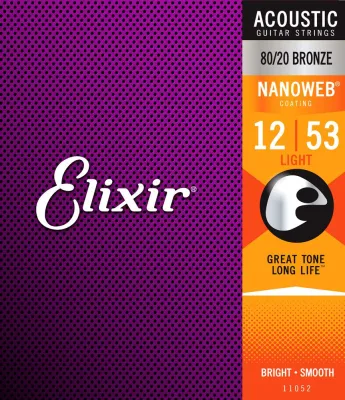
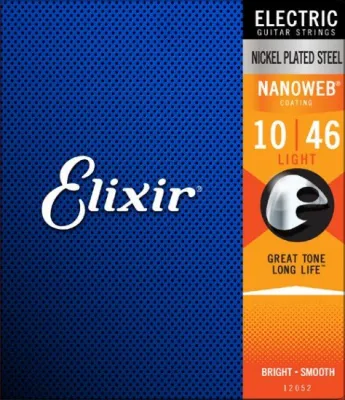
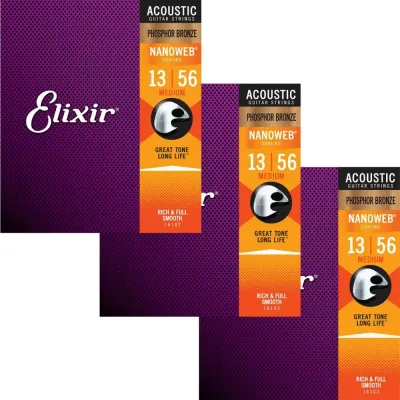
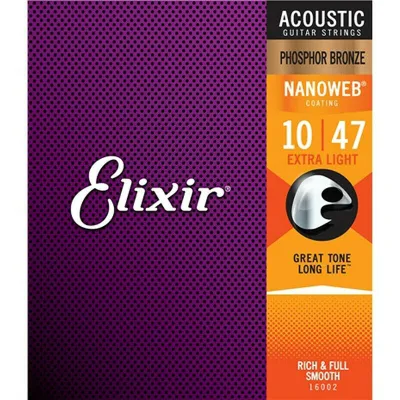
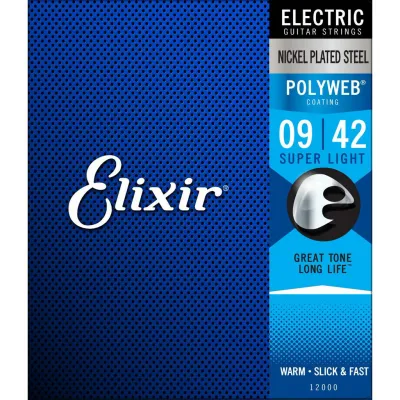
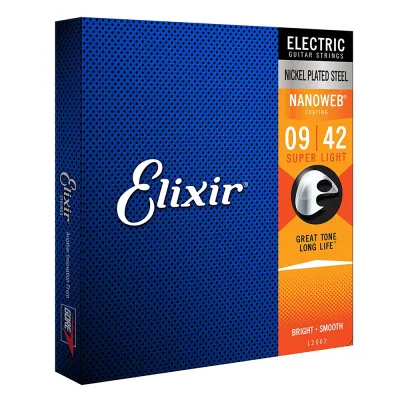
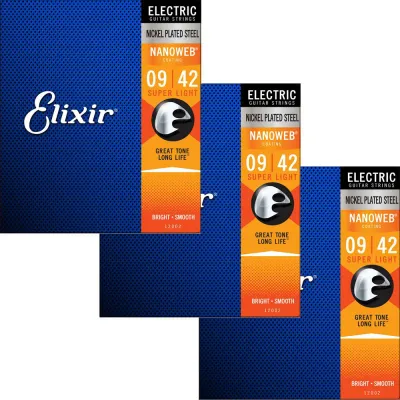
Prices are valid at publication and may change. Please refer to the product page for the latest price.
The engineering challenge behind this technology lies in balancing protection with acoustic performance. A coating that is too thick will dampen string vibrations, resulting in a muddy, unresponsive sound. The Nanoweb coating is engineered to be thin enough to allow the string to vibrate with minimal interference, maintaining the flexibility and resonance required for a natural acoustic or electric response.
How Nanoweb Coating Influences Guitar Tone
The presence of a polymer barrier naturally influences the acoustic properties of a guitar string, though the effect is highly controlled. When compared to traditional uncoated strings, Nanoweb-coated strings retain a high degree of tonal brightness and high-end clarity. While some players note a very subtle softening of the sharpest high frequencies when the strings are brand new, the overall sound remains bright, present, and articulate.

One of the most noticeable acoustic benefits of this coating is the reduction of finger squeak and handling noise. As your fingers slide across the fretboard, the smooth polymer surface reduces the friction between your fingertips and the metal windings. This results in quieter position shifts, which is particularly beneficial during recording sessions or live performances where high-gain amplification or sensitive microphones are used.
As strings age, uncoated metal quickly loses its high-end sparkle due to dirt accumulation and corrosion, leading to a rapid decay in sustain and harmonic overtones. Nanoweb strings maintain a consistent tonal profile over a much longer period. Because the core and windings remain clean, the strings continue to produce clear harmonic overtones and a predictable sustain throughout their usable lifespan, avoiding the sudden drop-off in tone common to standard strings.
Nanoweb vs. Polyweb: Choosing the Right Elixir String
When selecting coated strings, players often compare Nanoweb with Elixir’s other primary coating option, Polyweb. The fundamental difference between these two technologies lies in the thickness of the polymer application, which directly impacts both the sound and the tactile experience of the strings.
The Nanoweb coating is designed to be ultra-thin, offering a feel and sound that closely resemble those of an uncoated string. In contrast, the Polyweb coating is noticeably thicker. This physical difference creates a distinct tonal contrast: Nanoweb strings deliver a bright, present, and highly articulate tone with plenty of high-end definition, whereas Polyweb strings offer a warmer, mellower, and more vintage-sounding acoustic profile.
The tactile feel also differs significantly between the two options. The thicker Polyweb coating provides an exceptionally slick, fast surface that heavily dampens finger noise and feels very smooth to the touch. The thinner Nanoweb coating retains more of the physical texture of the winding wire, offering a more traditional grip that responds predictably to subtle picking dynamics and fretting hand pressure. Players who prefer a highly responsive, tactile connection to their strings generally favor the Nanoweb option.
Playability, Feel, and Maintenance
The physical playing experience of Nanoweb strings is characterized by a smooth, comfortable surface that enhances overall playability. The thin polymer layer reduces friction, making techniques like sliding, string bending, and rapid position changes feel smoother and more fluid. This reduction in resistance can also improve fretting hand comfort during long practice sessions, particularly for players who struggle with the rough texture of worn, uncoated strings.
Maintaining coated strings requires a slightly different approach than maintaining standard strings. While the polymer barrier protects the metal underneath, regular cleaning is still necessary to keep the outer surface free of oils and grime. After every playing session, it is best practice to wipe down the strings with a clean, dry microfiber cloth. Avoid using liquid string cleaners, solvents, or abrasive materials, as these chemical agents can degrade or prematurely strip away the delicate polymer coating.
Over time, the physical friction of picking and fretting will cause the coating to wear down. You can identify this wear by looking for visible signs of fraying, peeling, or flaking, particularly in the areas where your pick strikes the strings or where they make contact with the frets. When the coating begins to shed or the surface feels rough and uneven, it is a clear physical indicator that the strings have reached the end of their optimal lifespan and should be replaced.
Is Elixir Nanoweb Right for Your Playing Style?
Determining whether Nanoweb strings suit your setup depends heavily on your musical genre, playing technique, and tonal goals. These strings are highly suited for styles that demand crisp articulation, brightness, and the ability to cut through a dense mix, such as modern pop, rock, and contemporary fingerstyle acoustic playing. The consistent high-end response ensures that intricate chord voicings and fast lead lines remain clear and defined.
Conversely, Nanoweb strings may be less ideal for genres that prioritize a dark, heavily muted, or traditional vintage tone, such as certain styles of jazz or old-school blues. Players who actively seek the warm, broken-in sound of older, uncoated strings might find the persistent brightness of a coated string too modern or clinical for their taste.
Before purchasing, always perform a few essential compatibility checks on the product packaging. Verify the string gauge to ensure it matches your guitar’s setup and tension requirements. Additionally, confirm whether the set is designed for acoustic or electric instruments, as electric sets require specific magnetic properties to interact properly with pickups. Finally, pay attention to the winding material; for acoustic guitars, you will need to choose between options like phosphor bronze, which offers a warmer, richer tone, and 80/20 bronze, which provides a brighter, more sparkling sound.
Frequently Asked Questions (FAQ)
Do Elixir Nanoweb strings fit both acoustic and electric guitars?
Yes, Nanoweb-coated strings are manufactured for both acoustic and electric guitars, but they are not interchangeable. It is essential to check the product packaging carefully before purchasing. Electric guitar strings are wound with magnetically active materials, such as nickel-plated steel, which are necessary for the guitar’s magnetic pickups to detect string vibrations. Acoustic sets typically use copper alloys like phosphor bronze or 80/20 bronze, which are optimized for acoustic resonance but will not perform correctly with standard electric guitar pickups.
How do I know when it is time to change my Nanoweb strings?
You can determine when to change your Nanoweb strings by observing physical and acoustic changes. Look for visible fraying, peeling, or flaking of the polymer coating, especially around the picking area and the frets. Tactile signs include a rough or sticky feel when sliding your fingers along the strings. Acoustically, you will notice a permanent loss of brightness, reduced sustain, and difficulties with tuning stability or intonation that cannot be resolved by wiping the strings clean.

Community discussion
Share your experience or ask a question. Comments are reviewed before publication.