
Guitarists seeking to balance long-lasting performance with a bright, natural tone often turn to coated strings, with Nanoweb technology being one of the most prominent options on the market. This specialized design uses an ultra-thin polymer barrier to shield the metal core and windings from sweat, skin oils, and environmental moisture. By preventing debris from settling into the microscopic gaps of the wound strings, the coating aims to extend the life of the string’s acoustic clarity. For players, this technology represents a practical trade-off between the higher upfront cost of coated strings and the convenience of fewer string changes, alongside subtle shifts in tactile feel and acoustic response.
Understanding how this coating interacts with your instrument is essential before making a purchase. While marketing descriptions often highlight extended lifespan, the actual performance depends heavily on your playing style, your instrument’s setup, and how you maintain your gear. By examining the technology behind the coating, its impact on sound and playability, and the overall cost-benefit ratio, you can make an informed decision on whether these strings suit your musical needs.
Understanding Nanoweb Coating Technology
To understand how Nanoweb strings work, it helps to look at the physical construction of a standard wound guitar string. Wound strings—typically the lower-pitched strings on an acoustic or electric guitar—consist of a central core wire wrapped tightly with a thinner wrap wire. This winding process creates microscopic grooves along the entire length of the string. During play, these grooves inevitably collect sweat, dead skin cells, dust, and moisture, which accelerate oxidation and damp the string’s ability to vibrate freely.
Products mentioned in this guide
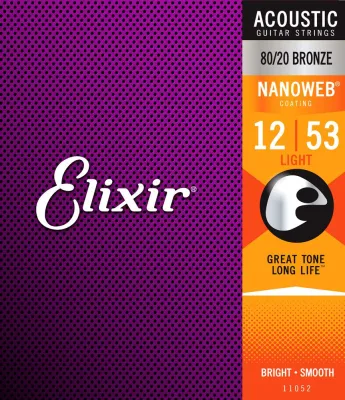
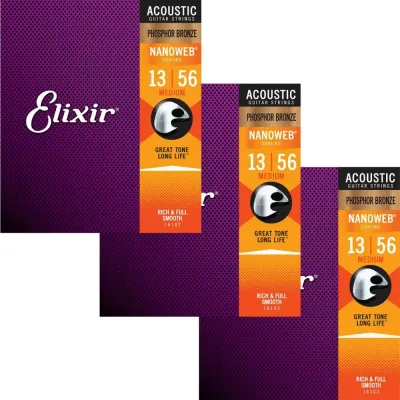
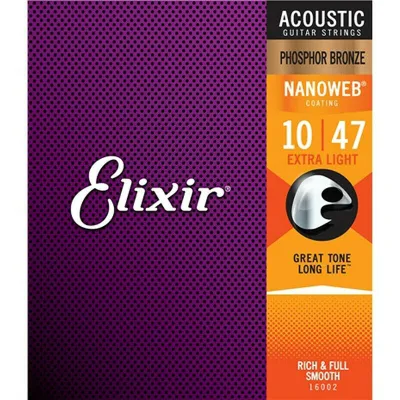
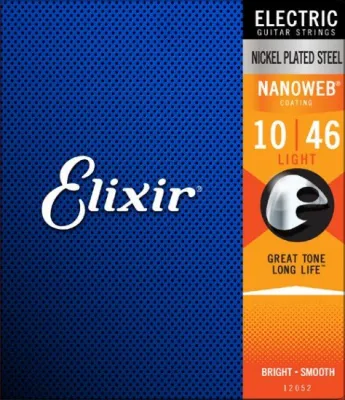
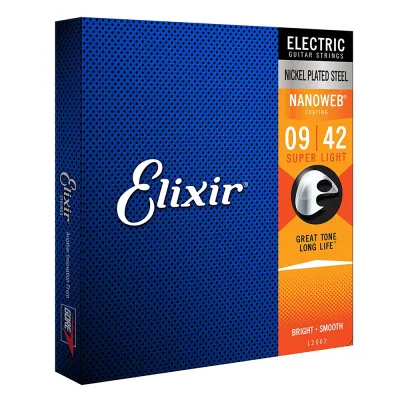
Prices are valid at publication and may change. Please refer to the product page for the latest price.
The Nanoweb coating is an ultra-thin polymer layer applied directly over the wound string after it has been constructed. This design goal is to seal the gaps between the windings, preventing debris from accumulating in the grooves while still allowing the string to vibrate naturally. Because the polymer layer is engineered to be incredibly thin, it is designed to protect the string without significantly dampening the high-frequency overtones that give new strings their characteristic brightness.
This approach differs from thicker coating styles, such as Polyweb, which apply a more substantial protective layer over the string. While a thicker coating provides a heavier physical barrier against corrosion, it also tends to damp the string’s vibrations more noticeably, resulting in a warmer, more mellow tone. When shopping for strings, it is highly recommended to verify the specific coating type and core materials by carefully checking the packaging labels and official brand documentation, as different formulations are tailored for specific acoustic and electric applications.
Evaluating the Impact on Guitar Tone and Brightness
One of the primary concerns for guitarists considering coated strings is how the polymer layer affects the overall sound of the instrument. Uncoated strings are famous for their initial metallic “zing” and crisp high-end response, but this brightness can degrade rapidly as the metal oxidizes. The design goal of the Nanoweb coating is to preserve this bright, crisp tone for a significantly longer period, offering a sound that closely mimics the performance of a fresh, uncoated set.

Because the polymer layer is so thin, the string retains a high level of vibrational energy, allowing for clear treble response and sustained ring. However, tone is highly subjective, and the perceived brightness can vary from player to player. Rather than relying solely on manufacturer descriptions, players should evaluate the sound through personal playing tests, local music shop trials, or high-quality, unedited audio comparisons to determine if the acoustic profile matches their preferences.
It is also important to remember that the coating is only one variable in a complex acoustic equation. The final sound of your guitar is shaped by the interaction of the string gauge, your picking technique, the material of your plectrum, and the natural resonance of your guitar’s body. For instance, a heavy-handed strumming style on a large dreadnought guitar will produce a vastly different tonal response than delicate fingerstyle playing on a small-bodied parlor guitar, regardless of the string coating.
Playability and Finger Feel: What to Expect
Beyond tone, the physical sensation of the string under your fingertips significantly influences your playing experience. The polymer coating alters the texture of the wound strings, giving them a smooth, slick surface. This reduced friction can make sliding up and down the fretboard feel faster and more fluid, which is often appreciated by players who perform frequent position shifts or fast lead lines.
Another practical benefit of this smooth surface is the reduction of finger squeak. When playing uncoated strings, sliding your fingers along the wound bass strings often produces a high-pitched squeaking noise, which can be distracting during live performances or recording sessions. The slick polymer barrier dampens this friction, resulting in quieter transitions and cleaner audio capture.
However, tactile preference is entirely subjective. Some guitarists find the slick feel of coated strings slightly slippery, preferring the natural, textured grip of raw metal for precise finger placement and bending. Your individual skin chemistry, sweat levels, and playing style will largely dictate which texture feels most comfortable. If you are new to coated strings, testing a single set on your primary guitar is an excellent way to confirm your personal preference before committing to bulk purchases.
Longevity and Cost-Benefit: Are Coated Strings Worth It?
The primary justification for the premium price of coated strings is their extended lifespan. By acting as a physical barrier against sweat, skin acidity, and atmospheric moisture, the polymer coating slows down the chemical process of corrosion. This is particularly valuable in high-humidity environments, where uncoated steel and bronze strings can begin to rust, tarnish, and lose their tonal clarity within just a few days of exposure.
To determine if coated strings are a cost-effective choice for you, it is helpful to compare your typical replacement frequency with current retail prices. In the local market, a standard set of uncoated strings might cost between S$8 and S$12, while a set of Nanoweb strings typically retails between S$20 and S$30. If you find yourself changing uncoated strings every two weeks due to rapid corrosion, a single set of coated strings that maintains its tone for two to three months can offer significant savings over time, alongside the convenience of fewer string changes.
However, using coated strings does not eliminate the need for basic instrument care. To maximize the lifespan of your strings and protect your guitar’s frets, you should still wipe down the strings with a clean, dry microfiber cloth after every playing session. This simple step removes surface moisture and oils from the plain steel treble strings, which do not have the same thick polymer wrap as the wound bass strings.
Choosing Between Nanoweb, Polyweb, and Uncoated Strings
Selecting the right string type requires balancing your tonal preferences, tactile comfort, and budget. A simple comparison of the three main options can help guide your decision:
- Nanoweb: Offers a bright, crisp tone that closely resembles uncoated strings, paired with a smooth, fast feel and excellent durability.
- Polyweb: Provides a warmer, more mellow tone with a highly slick, slippery feel, offering the maximum level of physical protection against heavy sweat and corrosion.
- Uncoated: Delivers the brightest initial tone and a traditional, textured grip at a lower upfront cost, but requires much more frequent replacements.
When making your choice, always verify instrument compatibility. Acoustic guitars require strings made from alloys like phosphor bronze or 80/20 bronze to project warm, acoustic tones, whereas electric guitars require magnetic alloys like nickel-plated steel to interact properly with electromagnetic pickups. Using the wrong string type can result in poor volume, unbalanced tone, or improper tension.
Finally, pay close attention to string gauges and how they affect your guitar’s neck tension. Installing a heavier gauge than your instrument is currently set up for can increase the pull on the neck, potentially altering the action, intonation, or even causing structural damage over time. If you plan to change string gauges or are unsure about the tension limits of your instrument, consult your guitar manufacturer’s setup recommendations or seek assistance from a qualified guitar technician.
Frequently Asked Questions (FAQ)
Do Nanoweb strings require special cleaning methods?
Nanoweb strings do not require complex maintenance, but they do benefit from gentle care to preserve the polymer layer. After playing, simply wipe the strings down with a clean, dry, lint-free microfiber cloth to remove surface oils and sweat. Avoid using harsh household chemicals, rubbing alcohol, solvents, or highly abrasive string cleaners, as these substances can degrade, dissolve, or strip away the delicate polymer coating. If you prefer to use a commercial string lubricant or conditioner, always check the product label to ensure it is explicitly safe for use on coated strings.
Will Nanoweb coating peel or flake off over time?
Yes, physical wear is a natural part of a string’s lifespan, and the coating will eventually begin to show signs of deterioration. Heavy strumming, aggressive picking with hard plectrums, and constant contact with metal frets will gradually wear down the thin polymer layer, often causing it to fray, peel, or flake around the picking area and the lower frets. While modern thin coatings are engineered to resist this wear longer than older designs, you should regularly inspect your strings for visible fraying or a sudden loss of brightness. Once the coating fails and the underlying metal is exposed to the elements, it is time to replace the set.

Community discussion
Share your experience or ask a question. Comments are reviewed before publication.