
Choosing your first ukulele is an exciting step into the world of music, but navigating the differences between prominent entry-level brands can feel overwhelming. Enya and Kaka are two of the most popular names recommended to beginners, yet they approach instrument design from entirely different angles. While Enya is widely recognized for its modern, weather-resistant composite materials and innovative designs, Kaka focuses on traditional wood construction and classic acoustic aesthetics at highly accessible price points. Deciding between them depends on where you plan to play, how much time you want to spend on instrument maintenance, and your personal tonal preferences. By comparing their build materials, playability, and overall value, you can confidently select the instrument that will support your learning journey.
Understanding the Enya and Kaka Brand Profiles
To make an informed choice, it is essential to understand what each brand represents in the modern ukulele market. Enya has built a reputation as an innovator, frequently utilizing alternative materials such as carbon fiber composites and high-pressure laminates. This forward-thinking approach aims to solve common structural issues associated with traditional wooden instruments, such as warping and cracking due to environmental changes. Their product lineup often features sleek, minimalist designs, integrated electronics, and modern color palettes that appeal to contemporary players who want a durable, travel-friendly instrument.
In contrast, Kaka—a brand under the umbrella of an established instrument manufacturer—takes a more traditional path. Kaka focuses primarily on classic wooden ukuleles, utilizing laminates and solid tonewoods like mahogany and acacia. Their design philosophy centers on delivering the classic, warm acoustic experience that many associate with the traditional Hawaiian instrument. For beginners, Kaka represents a straightforward, budget-friendly entry point that prioritizes time-tested construction methods and familiar aesthetics without unnecessary design frills.
Products mentioned in this guide
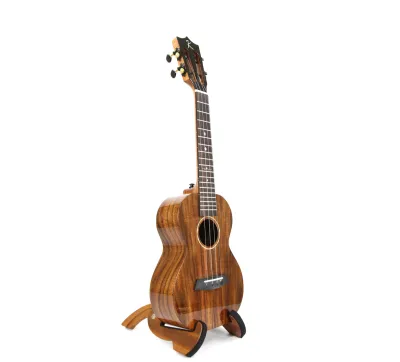
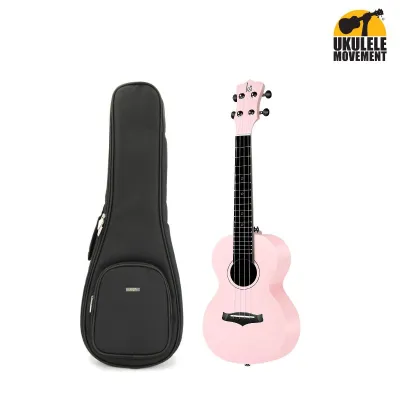
Prices are valid at publication and may change. Please refer to the product page for the latest price.
When shopping for either brand, beginners must perform basic verification steps to ensure they are purchasing a genuine instrument. Always check the product listing or physical label for manufacturing standards and verify the seller’s authorized status. Because these brands are widely distributed on online marketplaces and local music shops, purchasing from an authorized dealer guarantees that you receive a genuine product backed by the manufacturer’s quality control standards rather than a counterfeit or B-stock item.
Comparing Build Quality and Materials
The choice of materials is the most significant differentiator between Enya and Kaka, directly impacting how the instrument feels, lasts, and responds to the environment. Traditional tonewoods, which are common in Kaka’s lineup, offer a classic look and a natural tactile feel. Mahogany laminates provide a sturdy foundation that resists minor impacts, while solid wood tops offer richer resonance but require careful environmental monitoring. On the other hand, Enya’s extensive use of carbon fiber composites and high-pressure laminates creates an incredibly robust instrument. These composite materials do not expand or contract with temperature swings, making them virtually impervious to structural damage from physical impacts or weather changes.

For beginners living in tropical, high-humidity environments like Singapore, climate adaptability is a critical consideration. High humidity can cause traditional wooden ukuleles to swell, leading to warped necks, lifting bridges, and high string action that makes playing painful. Conversely, dry air-conditioned rooms can dry out the wood, causing it to shrink and crack. Enya’s composite models excel in these fluctuating conditions, maintaining their structural integrity whether stored in a humid room or a dry, air-conditioned studio. Kaka’s wooden models, while durable for laminate instruments, require more mindful storage, such as keeping them in a padded gig bag with a silica gel pack or maintaining a stable indoor environment.
Regardless of the material you choose, performing a physical inspection upon receiving your ukulele is vital. Use this checklist to evaluate the build quality:
- Neck Relief: Sight down the edge of the fingerboard from the body to the headstock to ensure the neck is straight or has a very slight, intentional upward curve. A bowed neck will cause playability issues.
- Fret Edge Smoothness: Run your fingers gently along the sides of the neck. The metal fret ends should feel smooth and flush with the fingerboard; sharp or protruding fret edges indicate poor finishing or wood shrinkage.
- String Action Height: Measure the gap between the strings and the frets, particularly at the 12th fret. The action should be low enough for comfortable pressing without causing the strings to buzz against adjacent frets when plucked.
Evaluating Sound Profiles and Playability
Sound and playability are deeply personal, yet certain physical characteristics of Enya and Kaka ukuleles can guide your expectations. Enya’s composite and carbon fiber models tend to produce a bright, clear, and punchy sound with excellent projection and sustain. This modern tonal profile cuts through ambient noise well, making it highly suitable for outdoor playing or group sing-alongs. Kaka’s wooden instruments generally offer a warmer, mellower, and more traditional acoustic tone. The natural resonance of wood emphasizes the mid-range frequencies, providing a cozy, classic sound that many players prefer for solo practice in quiet rooms.
The physical size of the ukulele body also plays a major role in shaping both the sound and the playing experience. Soprano models are the smallest, offering the traditional bright, plucky sound, but their compact fretboards can feel cramped for adult fingers. Concert models provide a balanced middle ground with a slightly larger body, louder volume, and more fret spacing. Tenor models are larger still, offering a deeper, fuller sound and the most room for complex chord fingerings. Beginners should select a body size that matches their physical comfort and tonal goals, keeping in mind that both brands offer models across all three standard sizes.
To ensure your new instrument is comfortable and functioning correctly, perform these actionable testing steps in-store or immediately upon delivery:
- Check Intonation: Tune the ukulele precisely using a digital tuner. Play an open string, then press the same string at the 12th fret. The tuner should register the exact same note, one octave higher. If the 12th-fret note is significantly sharp or flat, the instrument's intonation is off, which will make chords sound out of tune as you play higher up the neck.
- Test for Fret Buzz: Pluck every single note on every string, moving fret by fret up the neck. Listen closely for any buzzing or rattling sounds, which indicate uneven frets or an excessively low string action that requires adjustment.
- Evaluate Neck Comfort: Hold the neck in your fretting hand and practice transitioning between basic chords like C, G, and Am. Pay attention to the nut width and neck profile; a wider nut provides more string spacing for larger fingers, while a slimmer neck profile reduces hand fatigue during long practice sessions.
Price Tiers and Value for Beginners
Budget is often the deciding factor for a first-time buyer, and understanding what you get at different price points helps manage expectations. In the entry-level market, prices typically range from under S$80 to over S$200. In the sub-S$100 bracket, you will primarily find laminate wood models from Kaka and basic composite or laminate models from Enya. At this tier, focus on structural stability and basic playability rather than premium cosmetics. As you move into the S$100 to S$200 range, Enya offers advanced carbon fiber models and high-pressure laminate designs with refined finishes, while Kaka offers instruments featuring solid wood tops, which provide superior acoustic resonance.
Many beginner ukuleles are sold as starter bundles, which can offer excellent convenience and savings. A typical bundle may include a gig bag, a clip-on digital tuner, a strap, spare strings, and picks. When evaluating these packages, consider the quality of the individual components. A thick, padded gig bag is highly valuable for protecting a wooden Kaka ukulele from physical impacts and humidity shifts, whereas a thin dust cover offers little protection. Similarly, a reliable clip-on tuner is essential for keeping your instrument in pitch, especially during the first few weeks when new strings are stretching constantly. If the bundled accessories are of poor quality, it may be more cost-effective to buy a standalone instrument and purchase high-quality accessories separately.
Finally, always verify the warranty terms, return policies, and after-sales support before finalizing your purchase. Authorized local music stores in Singapore often provide a standard one-year warranty covering manufacturing defects, along with the added benefit of in-store setup support or adjustments. Purchasing from official online storefronts also offers protection, but you must check their return policy to ensure you can easily exchange the instrument if it arrives with shipping damage or setup issues.
How to Decide: Enya or Kaka?
Choosing between Enya and Kaka ultimately comes down to aligning your personal lifestyle, playing environment, and aesthetic preferences with the strengths of each brand. Neither brand is universally superior; rather, each excels in different scenarios. By evaluating your specific needs against the characteristics of these instruments, you can make a choice that keeps you motivated to practice.
You should choose an Enya ukulele if you:
- Prioritize low-maintenance ownership and do not want to worry about humidity control or wood cracking.
- Plan to travel frequently, play outdoors, or take your instrument to the beach or park.
- Prefer a modern, bright, and punchy sound with excellent projection.
- Are drawn to contemporary, sleek designs, composite materials, or vibrant color options.
You should choose a Kaka ukulele if you:
- Prefer the warm, mellow, and classic acoustic tone of traditional wood.
- Appreciate the natural look, grain patterns, and tactile feel of real wooden instruments.
- Have a strict initial budget and want a highly affordable, traditional entry-level instrument.
- Are willing to practice basic instrument care, such as storing the ukulele in a case with humidity control when not in use.
Before making your final purchase, use this pre-purchase checklist to ensure a smooth buying experience:
- [ ] Verify that the seller is an authorized dealer to secure a valid warranty and genuine product.
- [ ] Confirm the body size (soprano, concert, or tenor) matches your physical comfort and hand size.
- [ ] Check the return policy of the store or online platform in case the instrument requires an exchange.
- [ ] Ensure you have essential accessories, either included in a bundle or purchased separately, to start playing immediately.
Frequently Asked Questions (FAQ)
Do Enya and Kaka ukuleles require a professional setup out of the box?
Most entry-level ukuleles from both Enya and Kaka are playable straight out of the box, as they undergo basic factory setups. However, factory setups are often standardized to accommodate a wide range of players, which sometimes results in slightly high string action. If you find it difficult to press the strings down or experience finger fatigue quickly, taking your instrument to a local music shop for a professional setup can greatly improve playability. A technician can adjust the nut slots and saddle height to make chord transitions smoother and more comfortable for a beginner.
Which brand stays in tune better for new players?
Tuning stability is rarely determined by the brand name alone; instead, it depends on the quality of the tuning gears and the state of the strings. Both Enya and Kaka utilize geared tuning pegs that hold tension well once the strings are fully stretched. New nylon or fluorocarbon strings naturally stretch and lose pitch rapidly during the first few weeks of play. To improve tuning stability, gently stretch each string along its length and retune it several times when you first unbox the instrument. Within a week of regular playing, the strings will settle, and both brands will hold their tune reliably.
Are composite ukuleles a safer choice for humid climates?
Composite ukuleles, such as Enya’s carbon fiber and high-pressure laminate models, are significantly more stable in humid climates compared to traditional wooden instruments. Because composite materials do not absorb moisture, they are immune to the swelling, warping, and joint separation that can affect wooden ukuleles in tropical environments. While high-quality laminate wood instruments like those from Kaka offer decent resistance to humidity compared to solid wood, they still contain organic fibers that can react to extreme moisture. For players who want complete peace of mind without managing humidity levels, composite instruments are indeed a safer and more durable choice.
Community discussion
Share your experience or ask a question. Comments are reviewed before publication.