
Starting a physical movie collection in Singapore is an investment in both cinematic preservation and the ultimate home viewing experience. While streaming services offer convenience, they frequently compromise on the high-bitrate video and uncompressed audio that action and adventure films require to truly come alive. Building a collection of movies and DVD or Blu-ray discs allows you to bypass these digital limitations, ensuring that fast-paced choreography, sweeping landscapes, and thunderous soundscapes are presented exactly as the filmmakers intended. To establish a collection that stands the test of time, you must focus on selecting titles that maximize the technical capabilities of physical media, verifying hardware compatibility, and understanding how to preserve your discs in a tropical climate.
Why Action and Adventure Movies Shine on Physical Media
Action and adventure films are defined by their scale, rapid motion, and complex sound design, making them the ultimate showcase for physical media. When you stream a movie, the platform compresses the video and audio data to fit within the limits of your internet bandwidth. This compression often manifests as visual artifacts, color banding in dark scenes, and a noticeable loss of fine detail during high-speed chases or chaotic battle sequences. Blu-ray and 4K UHD discs, by contrast, deliver substantially higher bitrates that preserve every frame of action with pristine clarity, ensuring that fast-moving objects remain sharp and shadow details in dimly lit environments are fully resolved.
The audio advantages of physical media are equally profound. Streaming platforms typically deliver compressed, lossy audio formats that can leave explosive sequences sounding flat or muddy. Blu-ray discs utilize uncompressed, lossless audio formats such as Dolby TrueHD and DTS-HD Master Audio, alongside object-based formats like Dolby Atmos and DTS:X. These formats deliver a wider dynamic range, deeper bass, and precise spatial positioning, transforming your living room into an immersive soundstage where every debris impact, engine roar, and orchestral swell is rendered with lifelike power.
Products mentioned in this guide

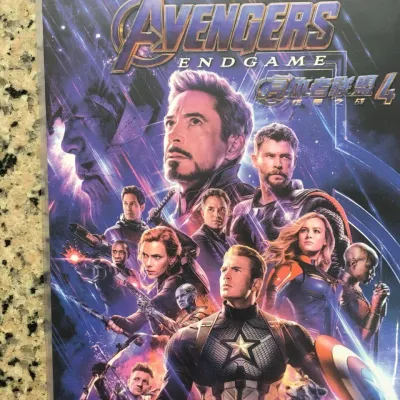
Prices are valid at publication and may change. Please refer to the product page for the latest price.
Beyond technical performance, physical media remains the premier home for cinematic preservation and supplemental content. Many physical releases include exclusive director’s cuts, extended editions, and comprehensive behind-the-scenes documentaries that are rarely, if ever, uploaded to streaming platforms. These special features offer invaluable insight into the stunt coordination, practical effects, and creative decisions that shape your favorite action epics. Owning a physical copy ensures that these historical archives and alternative cuts remain permanently accessible, free from the shifting licensing agreements that cause digital titles to vanish overnight.
Crucial Compatibility and Format Checks for Singapore Buyers
Before purchasing physical media, you must understand the regional and hardware specifications that govern disc playback. Standard 1080p Blu-ray discs are divided into three distinct geographical region codes: Region A (which includes North America, East Asia, and Southeast Asia, including Singapore), Region B (Europe, Africa, and Oceania), and Region C (Central and South Asia, China, and Russia). Because Singapore shares Region A with major markets like the United States and Japan, many imported standard Blu-rays from these regions will play seamlessly on local players. However, if you import a special edition standard Blu-ray from Europe, it will likely be locked to Region B and will not play on a standard local player unless you own a multi-region or region-free Blu-ray player.

Fortunately, the landscape is much simpler for 4K UHD Blu-ray discs. The international consortium responsible for the 4K UHD format established that all 4K UHD discs are region-free. This means a 4K UHD disc purchased from any country in the world will play on any 4K UHD player, regardless of where the hardware was manufactured. However, you must ensure that your playback chain is fully compatible. A standard Blu-ray player cannot read a 4K UHD disc; you must use a dedicated 4K UHD Blu-ray player or a compatible modern gaming console equipped with a 4K disc drive.
To fully realize the visual benefits of 4K UHD, your display must also support High Dynamic Range (HDR) standards, such as HDR10 or Dolby Vision, and your HDMI cables must meet the necessary bandwidth specifications. Additionally, when importing foreign editions, always verify the supported audio tracks and subtitle options listed on the back cover or product specification sheet. Some international releases may lack English subtitles or default to localized audio tracks, making careful verification essential before finalizing your purchase.
Benchmark Action and Adventure Titles to Anchor Your Collection
When selecting the foundational titles for your physical collection, look for releases that serve as technical benchmarks for your home theater system. Rather than focusing solely on personal favorites, a well-curated collection should feature films that push the boundaries of visual and auditory presentation. These benchmark titles generally fall into three categories: visually stunning modern epics, practical-effects-driven action masterclasses, and expansive adventure sagas. By focusing on these categories, you can build a diverse library that showcases the absolute best of what physical media has to offer.
It is important to approach these recommendations as categories and widely acknowledged benchmarks rather than a rigid, definitive list. Because availability, pricing, and regional packaging can vary significantly, you should always verify the specific details of a release before buying. Look for editions that are celebrated within the physical media community for their transfer quality, and avoid assuming that every release of a classic film offers the same level of audio and video fidelity.
Identifying Reference-Quality Video and Audio Transfers
To find discs that truly stand out, you must learn to identify reference-quality video and audio transfers. A reference transfer is one that presents the film with maximum fidelity to the original source material, free from artificial enhancements. When researching potential additions to your collection, consult dedicated physical media community forums and professional review sites. Look for detailed analyses that mention high average video bitrates and praise the preservation of natural film grain. Be cautious of releases criticized for heavy-handed digital noise reduction (DNR) or artificial sharpening, which can smudge fine details and give actors a synthetic, waxy appearance.
On the audio side, prioritize discs that feature lossless, object-based audio tracks. These tracks are designed to utilize height channels and surround speakers to create a fully three-dimensional audio environment. In action sequences, a reference-quality audio mix will precisely track objects as they move across the screen, creating a seamless sense of motion and space. Checking the technical specifications on the back of the case for logos like Dolby Atmos or DTS:X is a reliable way to ensure the disc is equipped to deliver this level of auditory immersion.
Seeking Out Extended Cuts and Exclusive Box Sets
For adventure franchises, physical media often provides the definitive way to experience the narrative. Many epic adventure sagas feature extended cuts or director’s cuts that add substantial footage back into the film, altering the pacing, character development, and overall depth of the story. When comparing physical releases to streaming versions, check the runtimes carefully. In many cases, the extended cuts are exclusive to physical box sets, offering a far more complete and satisfying viewing experience than the theatrical versions commonly found on digital platforms.
Furthermore, comprehensive franchise box sets often represent excellent value for new collectors. These sets compile multiple films into a single cohesive package, frequently accompanied by exclusive bonus discs filled with hours of supplemental material. When evaluating these sets, consider the quality of the packaging and the inclusion of physical extras like art books, production notes, or map replicas. These tangible elements elevate the ownership experience, turning a simple movie purchase into a centerpiece for your home library.
Navigating Collector Editions: SteelBooks, Digibooks, and Limited Runs
As you expand your collection, you will encounter various premium packaging formats designed specifically for collectors. The most popular of these is the SteelBook, a premium metal case that features custom, often exclusive artwork printed directly onto the steel shell. SteelBooks are highly prized for their aesthetic appeal and durability, offering excellent physical protection for your discs. However, they are typically produced in limited quantities, which can drive up their retail price and make them highly sought after on the secondary market. If you choose to collect SteelBooks, be prepared to purchase them close to their release date to avoid paying inflated prices later.
Another popular premium format is the Digibook, which packages the discs within a hardbound book structure. Digibooks typically include high-quality printed pages featuring production photos, essay analyses, and cast biographies, offering a wonderful blend of reading material and physical media. For larger franchises, premium box sets may feature elaborate outer slipcases made of thick, rigid cardboard, designed to protect the individual cases inside while presenting a uniform, striking appearance on your shelf.
When purchasing limited editions or rare packaging formats from secondary markets or individual sellers in Singapore, vigilance is key. Always request detailed photos of the case from multiple angles to check for dents, scratches, or spine slash—a common defect caused by retail staff opening shipping boxes with utility knives. Verify that the inner plastic trays are intact and that the discs themselves are free from scratches or cloudiness. For highly collectible releases, confirm that all original inserts, booklets, and digital code slips are included to preserve the item’s long-term value.
Sourcing and Verifying Physical Movies in Singapore
Sourcing physical media in Singapore requires a strategic approach, combining local retail exploration with international importing. While large, mainstream home video chains have largely phased out physical discs, specialty media stores and independent boutique shops still cater to dedicated collectors. Visiting these local establishments allows you to inspect the physical condition of the cases firsthand, verify region codes on the spot, and support the local collecting community. Many of these specialty shops also import popular overseas releases, saving you the hassle of international shipping.
For titles that cannot be found locally, online marketplaces and international ecommerce platforms are invaluable resources. When shopping online, strictly verify the seller’s ratings and read customer feedback regarding their packaging standards; physical media is fragile and requires sturdy bubble mailers or boxes to survive international transit. Always double-check the product description and images to confirm the exact region code and format of the disc you are buying, as online listings can sometimes be inaccurate or misleading.
When importing physical media from overseas, keep in mind the potential shipping costs and delivery times. Additionally, be aware of local import regulations, including any applicable Goods and Services Tax (GST) that may be levied on imported goods. Understanding the return policies of international sellers is also crucial, as returning a defective or damaged disc across borders can be costly and time-consuming. By combining careful local sourcing with verified online purchasing, you can steadily build a high-quality collection without unnecessary risks.
Frequently Asked Questions (FAQ)
Do I need a special player for 4K UHD Blu-rays?
Yes, you must use a dedicated 4K UHD Blu-ray player or a compatible modern gaming console equipped with a 4K disc drive to play 4K UHD discs. A standard 1080p Blu-ray player cannot read or play 4K UHD media. To fully experience the visual benefits of the format, you also need a television that supports 4K resolution and High Dynamic Range (HDR), connected via a high-speed HDMI cable capable of handling the necessary bandwidth.
How should I store my Blu-ray collection to prevent damage?
In Singapore’s tropical climate, protecting your collection from high humidity is essential to prevent mold growth and disc rot. Store your discs in a cool, dry room, ideally where air conditioning or a dehumidifier is used regularly, and keep them out of direct sunlight. Always store the cases vertically on sturdy shelves rather than stacking them horizontally, which can put uneven pressure on the discs. When handling your discs, hold them strictly by the outer edges or the center spindle hole to avoid leaving oily fingerprints that can attract dust and moisture.
Community discussion
Share your experience or ask a question. Comments are reviewed before publication.