
To build an essential collection of award-winning drama films on Blu-ray, collectors must focus on titles where physical media preserves the director’s original creative vision better than highly compressed streaming alternatives. The most critical drama films to own are those that rely heavily on nuanced cinematography, complex soundscapes, and historical restorations. These include sweeping historical epics, visually driven modern masterpieces, and definitive director’s cuts. By evaluating technical specifications such as transfer bitrates, color grading, and audio preservation, you can curate a high-quality home library that stands the test of time.
While convenience has made digital streaming the default choice for casual viewing, physical media remains the gold standard for cinephiles who appreciate the artistic depth of dramatic cinema. Drama films often rely on subtle visual cues, delicate shadow details, and quiet, atmospheric sound designs that are easily lost in the compression algorithms used by digital platforms. Investing in physical discs ensures that you experience these award-winning works exactly as their creators intended, free from the bandwidth fluctuations and licensing uncertainties of digital storefronts.
The Value of Physical Media for Award-Winning Dramas
Physical Blu-ray formats offer a level of technical consistency that streaming services simply cannot replicate. Streaming platforms typically compress video to fit within limited bandwidth budgets, often resulting in a variable bitrate that drops during complex scenes. In contrast, a standard Blu-ray disc delivers a stable, high video bitrate of up to 40 Mbps, while 4K Ultra HD discs can exceed 100 Mbps. This high bandwidth prevents visual artifacts such as color banding, macroblocking, and pixelation, which frequently ruin the moody, low-light scenes characteristic of serious dramatic films.
Products mentioned in this guide




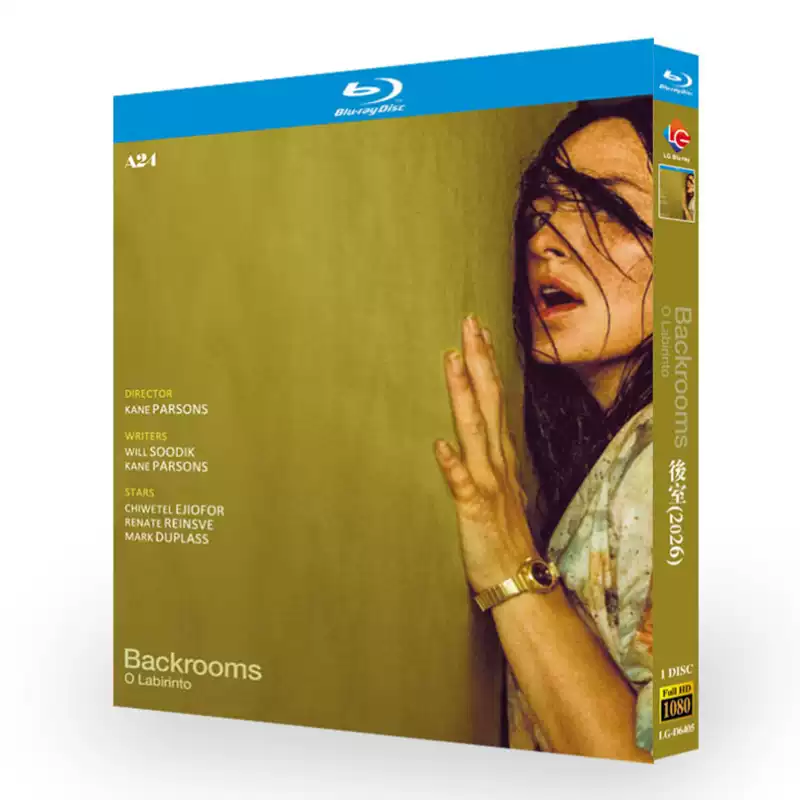

Prices are valid at publication and may change. Please refer to the product page for the latest price.
Audio fidelity is another area where physical media holds a distinct advantage. Most streaming services compress audio into lossy formats like Dolby Digital Plus to save bandwidth. Blu-ray discs, however, routinely feature lossless audio codecs such as Dolby TrueHD and DTS-HD Master Audio. For award-winning dramas where the sound design, musical score, and dialogue clarity are central to the emotional impact, these uncompressed audio tracks deliver a wider dynamic range and a much lower noise floor, allowing every whisper and orchestral swell to resonate clearly.
Beyond technical performance, physical media represents a commitment to cinematic preservation and tangible ownership. When you purchase a digital film, you are merely buying a temporary license that can be revoked or altered if licensing agreements change. A physical disc on your shelf is a permanent addition to your personal collection. Furthermore, premium Blu-ray releases often feature high-quality packaging, collectible slipcovers, and printed booklets containing production essays, historical context, and rare set photography that enrich the overall viewing experience.
Core Criteria for Evaluating Drama Blu-ray Releases
When selecting drama films for your collection, it is essential to evaluate the quality of the specific disc release rather than relying solely on the film’s critical reputation. The first technical aspect to examine is the video transfer. Look for releases that advertise a new digital restoration, ideally sourced from the original camera negative under the supervision of the director or cinematographer. A high-quality transfer preserves the natural film grain, which is a vital component of the film’s original texture, rather than erasing it with aggressive digital noise reduction that leaves actors looking waxy.

Aspect ratio preservation is equally critical to maintaining the director’s visual composition. Ensure the release presents the film in its original theatrical aspect ratio, whether that is a wider cinematic format like 2.39:1 or a classic academy ratio like 1.37:1. Some budget releases crop the image to fill modern widescreen televisions, which cuts off essential visual information and ruins the framing of key scenes. Checking user forums and technical review databases can help you verify if a specific release respects the original framing.
Audio preservation requires a similar level of scrutiny. While modern multi-channel remixes like Dolby Atmos can enhance certain films, a dedicated collector should verify whether the disc also includes the original theatrical audio mix. For older dramas, a clean, uncompressed mono or stereo track is often more faithful to the original production than a simulated surround sound remix that introduces artificial directional effects. A quality release will offer both options, allowing you to choose your preferred listening experience.
Finally, the quality and depth of the special features can greatly influence the value of a Blu-ray release. Award-winning dramas often have fascinating production histories, and a robust selection of bonus materials can provide invaluable insight into the filmmaking process. Look for releases that include feature-length audio commentaries by film historians or the creators themselves, detailed making-of documentaries, deleted scenes with optional commentary, and archival interviews with the cast and crew.
Essential Categories for Your Drama Blu-ray Collection
Building a meaningful physical media collection requires a structured approach. Rather than buying every title that wins an award, adopt a conditional selection strategy that aligns with your personal cinematic interests and the capabilities of your home theater equipment. If your setup excels at displaying deep black levels and vibrant colors, you may want to prioritize modern visual masterpieces. If you prefer historical context and classic filmmaking techniques, focusing on meticulously restored older titles is a logical path.
To help organize your collection-building process, award-winning dramas can be broadly categorized into three primary areas. Each of these categories benefits uniquely from the high-bitrate presentation and supplementary features of a physical release, making them excellent starting points for curating a high-quality home library.
Restored Classics and Historical Epics
Older award-winning dramas, particularly those shot on 35mm or 70mm film, benefit immensely from modern digital restoration techniques. Over time, original film elements can degrade, leading to color fading, scratches, and physical instability. Meticulous frame-by-frame restorations can correct these issues, presenting classic epics with a level of clarity and color accuracy that rivals or exceeds their original theatrical runs. When choosing these titles, look for releases from specialized boutique labels or major studio archive lines that are known for their careful preservation work.
It is also important to check for the inclusion of original theatrical cuts versus revised editions. Some directors return to their older films decades later to alter the color grading, add digital effects, or re-edit scenes. A definitive Blu-ray release will often include multiple versions of the film, allowing you to compare the original theatrical presentation with the director’s updated vision. Additionally, these historical releases frequently feature extensive archival interviews and scholarly essays that place the film’s cultural and artistic achievements in proper historical context.
Modern Cinematography and Visual Storytelling
Contemporary award-winning dramas often push the boundaries of digital cinematography, lighting, and color grading. These films rely on subtle gradations of light and shadow to convey mood and emotion, making them highly sensitive to compression artifacts. A high-bitrate physical release ensures that complex visual sequences, such as dimly lit interior scenes or sweeping natural landscapes, are rendered with absolute precision, preserving the cinematographer’s intended visual palette.
When shopping for modern dramas, check the packaging for High Dynamic Range (HDR) support, such as HDR10 or Dolby Vision, if you are purchasing the 4K Ultra HD format. These formats offer wider color gamuts and higher contrast ratios, which are particularly effective for dramas that utilize dramatic lighting schemes. If a film was finished in a high-resolution digital intermediate and features an acclaimed visual design, purchasing the standard 1080p Blu-ray may result in a compromised experience compared to the superior color depth of a 4K UHD release.
Director's Cuts and Definitive Editions
Many award-winning dramas have complicated production histories involving studio interference, resulting in theatrical releases that do not fully represent the director’s original intent. Blu-ray releases frequently serve as the exclusive home for director’s cuts, extended editions, or alternative cuts that restore deleted footage and alter the narrative structure. These definitive editions offer a deeper, more complete look at the film’s themes and character development.
Before making a purchase, verify which cut of the film is included on the disc. The most desirable releases are those that bundle both the theatrical cut and the extended or director’s cut on separate discs, ensuring you do not have to choose between historical accuracy and the director’s preferred version. Always read the back cover or product descriptions carefully, as some regional variations of a release may omit certain cuts or special features due to licensing restrictions.
Pre-Purchase Checks: Regions, Formats, and Compatibility
Before purchasing any Blu-ray disc, it is critical to verify its region coding to ensure compatibility with your playback hardware. The global Blu-ray system is divided into three main regions: Region A (covering the Americas, East Asia, and Southeast Asia), Region B (covering Europe, Africa, the Middle East, and Oceania), and Region C (covering Central and South Asia, China, and Russia). In markets like Singapore, where many collectors import titles from various international retailers, buying an incompatible disc is a common pitfall. Ensure your player matches the region code of the disc, or consider investing in a multi-region player.
It is important to distinguish between standard 1080p Blu-ray discs and 4K Ultra HD Blu-ray discs, as they require different hardware. Standard Blu-ray discs can be played on standard Blu-ray players, compatible video game consoles, and 4K players. However, 4K Ultra HD discs require a dedicated 4K UHD Blu-ray player, a high-speed HDMI cable, and a compatible 4K television to display properly. Fortunately, 4K Ultra HD discs are almost universally region-free, meaning they will play on any 4K player worldwide, though any standard Blu-ray bonus discs included in the package may still be region-locked.
Language options and subtitle availability are also crucial factors to verify before buying, especially when purchasing imported foreign-language dramas. Always check the technical specifications on the back of the case or on trusted retailer listings to confirm that the disc includes subtitles in your preferred language. Do not rely solely on the cover art or translated titles, as regional distributors sometimes use different packaging designs or localized titles that do not clearly indicate the audio and subtitle tracks included on the actual disc.
Storage and Care for Your Blu-ray Collection
Proper storage and handling are essential to preserving the physical condition and playback quality of your Blu-ray collection over the long term. In tropical climates with high humidity, such as Singapore, physical media is susceptible to mold growth on paper inserts and plastic cases, as well as “disc rot,” which is the gradual degradation of the disc’s reflective layer. To prevent this, store your collection in a cool, dry room away from direct sunlight, which can fade cover art and warp plastic cases. Using dehumidifiers or placing silica gel packs inside storage cabinets can help control moisture levels.
When handling your discs, always hold them by the center hole and the outer edges to avoid leaving fingerprints on the playing surface. Fingerprints and oils from your skin can scatter the player’s laser, leading to playback errors or freezing. If a disc does become dirty, clean it using a soft, lint-free microfiber cloth. Wipe gently in a straight line from the center hole outward to the edge; never wipe in a circular motion, as circular scratches are more likely to cause permanent tracking errors than radial ones.
Finally, choose appropriate shelving solutions that support the weight of your collection without causing damage. Store your Blu-ray cases vertically, similar to books on a shelf. Avoid stacking cases horizontally on top of one another, as the cumulative weight can warp the plastic cases and put uneven pressure on the discs inside, potentially leading to cracking or structural damage over time. Proper vertical storage also makes it easier to browse your collection and protects the spine artwork from unnecessary wear.
Frequently Asked Questions (FAQ)
Do I need a 4K player to watch standard Blu-ray drama movies?
No, you do not need a 4K player to watch standard 1080p Blu-ray discs. Standard Blu-ray players, compatible video game consoles, and 4K Ultra HD Blu-ray players are all capable of reading and playing standard Blu-ray discs. When you play a standard Blu-ray on a 4K player connected to a 4K television, the player or the TV will typically upscale the 1080p signal to fit the higher-resolution screen, which can slightly improve image clarity. However, a dedicated 4K Ultra HD player is only strictly required if you wish to play 4K Ultra HD Blu-ray discs.
How can I verify if a Blu-ray includes the original theatrical audio track?
To verify if a Blu-ray release includes the original theatrical audio track, examine the technical specifications listed on the back of the packaging or consult reputable physical media databases online. Look for audio tracks labeled as the original mono, stereo, or early surround mixes, often presented in lossless formats like DTS-HD Master Audio 2.0 or LPCM 2.0. Be cautious of releases that only list modern multi-channel remixes like Dolby Atmos or 7.1 surround, as these remixed tracks sometimes alter or replace original sound effects and dialogue balances.
Community discussion
Share your experience or ask a question. Comments are reviewed before publication.