
To step into the world of Singaporean literature—affectionately known as SingLit—is to discover a landscape of remarkable depth, where rapid urbanization, multicultural heritage, and globalized ambitions collide. For readers looking to explore this literary scene, starting with the right fiction books or novels is crucial to understanding the country beyond its clean, futuristic postcard image. Local writers offer a vivid, unfiltered window into the soul of the nation, capturing the tensions between old kampong memories and towering skyscrapers, the weight of academic and societal expectations, and the quiet struggles of those living on the margins.
Whether you are a local resident seeking stories that mirror your daily life or an international reader eager to look past the tourist brochures, Singaporean fiction provides an incredibly diverse array of narratives that challenge, entertain, and move. By exploring the unique perspectives of local authors, readers gain a deeper appreciation for the complex cultural tapestry of this dynamic city-state. Finding the perfect starting point can feel overwhelming given the rapid growth of the local publishing scene, but focusing on established thematic genres makes the journey highly rewarding.
How We Selected These Singaporean Fiction Novels
Selecting the ideal entry points into Singaporean fiction requires a balanced approach that prioritizes both literary quality and reader accessibility. This curated selection focuses on fiction novels that authentically capture local experiences, cultural nuances, and major societal shifts. Rather than relying on arbitrary sales volumes or unverified bestseller lists, we evaluated these works based on four distinct dimensions: literary resonance, accessibility for beginners, thematic diversity, and general availability.
Products mentioned in this guide
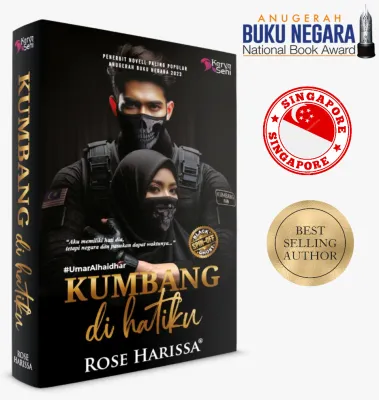
Prices are valid at publication and may change. Please refer to the product page for the latest price.
Literary resonance is particularly vital, as Singapore’s literary identity cannot be defined by a single style; it spans sharp contemporary satire, sweeping historical epics, and gritty urban realism. By selecting prominent works across these categories, we ensure that readers can find a book that aligns with their personal reading preferences. Additionally, we prioritized books that are readily available in major local bookstores, library catalogs, and authorized online platforms, ensuring you can easily source legitimate copies to begin your reading journey.
Essential Fiction Novels by Singaporean Authors to Start With
To help you navigate the rich waters of local literature, we have categorized our top recommendations into three distinct thematic pillars. Each category represents a different facet of the Singaporean consciousness, allowing you to choose your starting point based on the type of story that resonates most with you.

Contemporary Family Dynamics and Social Satire
Singapore’s rapid rise as a global financial hub has created a unique social landscape where traditional Asian values, modern wealth, and intense competition intersect. For readers who want to explore these modern complexities through a witty, observant lens, contemporary family dramas and social satires are the perfect starting point. These novels examine the high-pressure environment of the city-state, focusing on the pursuit of status, academic perfection, and the generational clashes that occur within modern families.
Prominent authors like Kevin Kwan and Balli Kaur Jaswal are excellent examples of writers who excel in this space. Kwan’s internationally recognized work uses sharp, comedic exaggeration to peel back the layers of ultra-wealthy dynasties, exposing the rigid social hierarchies and familial duties that govern their lives. On the other hand, Jaswal’s narratives offer a more grounded but equally compelling look at cultural expectations, particularly within minority communities in Singapore. Her writing masterfully balances humor with poignant insights into identity, gender roles, and the struggle to break free from conservative family structures.
- Core Themes: Generational clashes, the pursuit of status, academic pressure, and the intersection of traditional Asian values with modern wealth and globalization.
- Target Audience: Readers who enjoy character-driven dramas, witty social commentary, and fast-paced, highly entertaining narratives.
- Content Considerations: These works often employ satirical exaggeration and touch on mature themes, making them highly engaging but occasionally provocative.
Historical Roots and Cultural Identity
To fully appreciate modern Singapore, one must understand the dramatic transitions of its past. Historical fiction and cultural narratives offer a profound look at the nation’s journey, tracing the shift from post-war struggles and traditional kampong (village) life to rapid urbanization and industrialization. These works preserve the cultural memories of early immigrants, colonial-era communities, and the generations that witnessed the physical and social restructuring of the country.
Authors such as Suchen Christine Lim and Hidayah Amin are key figures in this genre, providing deeply researched and emotionally resonant perspectives on Singapore’s history. Lim’s novels are celebrated for their rich, atmospheric world-building, often exploring the lives of early immigrants, the complexities of multicultural relations, and the personal sacrifices made in the name of national progress. Amin’s work similarly captures the essence of heritage, focusing on the preservation of cultural identity and the stories of communities displaced by modern development.
- Core Themes: Post-war struggles, immigrant experiences, and the preservation of cultural memory amidst rapid national development and urbanization.
- Target Audience: Readers interested in historical fiction, rich atmospheric world-building, and deep emotional resonance.
- Pacing and Tone: These works are generally more reflective, lyrical, and slower-paced compared to contemporary satire, rewarding readers who appreciate patient character development.
Urban Realism and Marginalized Voices
While Singapore is often celebrated for its safety, wealth, and efficiency, there is a vibrant body of local literature that explores the less visible corners of the city-state. Urban realism and stories focusing on marginalized voices delve into the psychological complexities of modern life, addressing themes of alienation, economic disparity, and the struggles of those who do not fit neatly into the conventional narrative of success.
Writers like O Thiam Chin and Amanda Lee Koe are pioneers in this space, offering gritty, unvarnished portrayals of urban existence. O Thiam Chin’s prose is known for its intense psychological realism, exploring the inner lives of ordinary people dealing with grief, trauma, and the quiet desperation of working-class survival. Amanda Lee Koe’s work utilizes non-linear, experimental storytelling to weave together the lives of diverse, flawed, and beautifully complex characters living on the fringes of society. Her narratives challenge traditional boundaries and offer a deeply empathetic look at human connection in a highly structured environment.
- Core Themes: Alienation, economic disparity, and the hidden, less glamorous corners of a highly developed city-state.
- Target Audience: Readers who prefer thought-provoking, literary fiction with complex, flawed characters and non-linear or experimental storytelling.
- Content Advisory: Works in this category frequently deal with heavy, mature, or psychologically intense subject matter, making them best suited for mature readers.
Quick Comparison of Recommended Local Novels
To help you decide which thematic category best matches your current reading mood, the table below summarizes the key characteristics of each genre.
| Thematic Category | Primary Focus | Reading Pace/Difficulty | Best For (Target Reader Profile) |
|---|---|---|---|
| Contemporary Satire & Family Dynamics | Generational clashes, wealth, societal status, and modern cultural expectations. | Fast-paced / Highly accessible | Readers who enjoy witty social commentary, lighthearted humor, and character-driven drama. |
| Historical Roots & Cultural Identity | Post-war history, immigrant struggles, kampong life, and rapid urbanization. | Reflective & Moderate / Lyrical prose | History enthusiasts, lovers of rich world-building, and those seeking deep emotional resonance. |
| Urban Realism & Marginalized Voices | Alienation, economic disparities, psychological depth, and life on the fringes. | Slower to experimental / High depth | Fans of gritty literary fiction, complex character studies, and unconventional storytelling. |
What to Check Before Buying Singaporean Fiction Books
When purchasing Singaporean fiction books, taking a few practical steps will ensure you receive high-quality, authorized copies that match your reading preferences.
- Edition and Language: Because Singapore is a multilingual nation, many foundational works are written in Mandarin, Malay, or Tamil. If you are looking for an English version, verify whether the copy is the original text or a translated edition. For translations, check the translator's credentials and ensure the book is published by a reputable local or academic press known for high-quality localization that preserves cultural nuances.
- Format and Medium: Local literature is widely available in paperback, hardcover, and digital formats. If you prefer e-books, confirm that the file format (such as EPUB or PDF) is fully compatible with your specific e-reader device or reading application. Some independent publishers may use specific digital rights management (DRM) systems, so verifying compatibility beforehand prevents formatting issues.
- Regional Restrictions and Authenticity: Due to distribution agreements, certain local editions may have regional sales restrictions on major international websites. To ensure you are buying authentic copies and supporting the authors directly, purchase from established local independent bookstores or authorized online platforms. This avoids the risk of purchasing low-quality, unauthorized reprints.
- Content Completeness: Be cautious when browsing third-party online marketplaces where unauthorized print-on-demand sellers operate. These copies are often poorly formatted, contain typographical errors, or may even be abridged versions of the original work. Always check the publisher's details and buyer reviews to confirm the book's authenticity and completeness before finalizing your purchase.
Frequently Asked Questions (FAQ)
Are there English translations for classic Singaporean novels originally written in other languages?
Yes, a significant portion of Singapore’s literary heritage was originally penned in Mandarin, Malay, or Tamil. Recognizing the importance of making these foundational texts accessible to a broader audience, local publishers, literary organizations, and academic presses have actively commissioned high-quality English translations. When searching for these translated classics, look for dedicated translation series, bilingual editions, or local literary anthologies in library catalogs and independent bookshops. These editions often include valuable introductory essays or translator notes that provide crucial historical and cultural context, helping you fully appreciate the nuances of the original text.
Where can I find independent local bookstores in Singapore?
Singapore is home to a dedicated and passionate community of independent bookstores that champion local literature. These indie bookshops are typically located in vibrant arts, cultural, and heritage districts, such as Bras Basah, Bugis, or Chinatown. Unlike large commercial retail chains, these independent stores specialize in curating extensive selections of local fiction, poetry, and non-fiction. They frequently host community events, including author book launches, panel discussions, and poetry readings. Visiting these physical spaces not only allows you to browse unique titles that are hard to find elsewhere but also directly supports the local literary ecosystem and provides opportunities to engage with fellow book lovers.
Community discussion
Share your experience or ask a question. Comments are reviewed before publication.