
Acquiring a Guqin is an exciting milestone, but the instrument’s unique construction, delicate lacquer finish, and traditional playing style require a specialized set of accessories. Unlike modern Western instruments, the Guqin relies on specific physical support systems and environmental protections to maintain its structural integrity and tonal quality. Selecting the right accessories is not merely about convenience; it is a fundamental part of preserving the instrument’s wood and lacquer over years of practice.
Whether you are a beginner setting up your first practice space or an experienced player preparing for travel, understanding the technical requirements of Guqin gear is essential. From specialized cases that shield the instrument from humidity shifts to ergonomic tables designed to optimize acoustic resonance, each accessory plays a distinct role. This guide provides a comprehensive framework to help you evaluate, select, and verify the essential tools needed to support your Guqin journey.
Core Protection and Storage Solutions
The physical design of the Guqin—characterized by its long, flat wooden body, delicate lacquer coating, and protruding tuning pegs—makes it highly vulnerable to physical impacts and environmental changes. Selecting the right storage solution is the first line of defense against scratches, cracks, and structural warping. Players must choose between hard-shell cases and padded gig bags, balancing the need for robust protection with the practicalities of daily transport.
Products mentioned in this guide
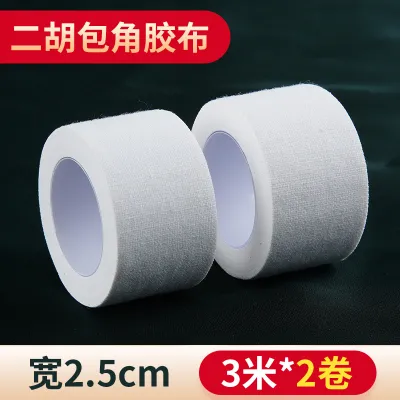
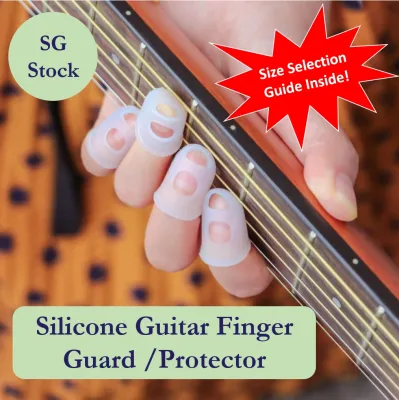


Prices are valid at publication and may change. Please refer to the product page for the latest price.
Hard-shell cases offer the highest level of impact protection, making them indispensable for air travel, public transit, or long-distance shipping. These cases typically feature a rigid outer shell made of fiberglass, carbon fiber, or heavy-duty wood, lined with a dense foam interior. When evaluating a hard case, verify that the interior padding is contoured specifically for the Guqin’s shape, providing support under the neck and base without putting pressure on the bridge (Yueshan) or the strings.
Padded gig bags provide a lightweight and highly portable alternative for local travel, such as carrying the instrument to weekly lessons. A high-quality gig bag should feature high-density foam padding of at least 20 millimeters in thickness, water-resistant exterior fabric, and reinforced backpack straps. While gig bags are excellent for ease of movement, they do not offer the same crush resistance as hard cases, meaning they require careful handling.
Regardless of the case type, verifying the interior dimensions against your specific Guqin is a vital step before purchase. Guqins are not universally standardized; variations in style, such as Fuxi, Zhongni, or Hunyuan, can result in differences in overall length, width, and height. Measure your instrument’s exact length from the head to the tail, the maximum width across the shoulders, and the height of the bridge to ensure a snug fit. A case that is too large allows the instrument to slide around inside, which can chip the lacquer, while a case that is too tight can exert dangerous pressure on the tuning pegs (Yanzu) and strings.
The interior lining of any case or bag must be made of a soft, non-abrasive material, such as velvet, microfiber, or plush cotton, to prevent micro-scratches during insertion and removal. Additionally, look for cases that offer a relatively airtight seal to help buffer the instrument against rapid changes in relative humidity, which can cause the wood to expand or contract rapidly.
Playing Ergonomics: Stands, Tables, and Anti-Slip Mats
The posture and physical alignment of a Guqin player are deeply intertwined with the instrument’s acoustic performance and the player’s long-term physical health. Because the Guqin is played horizontally and lacks a built-in support mechanism, it must be placed on a stable, flat surface at a very specific height. Choosing the right combination of tables, stands, and anti-slip accessories ensures that you can practice comfortably without risking physical strain or damage to the instrument.

Traditional solid-wood Guqin tables are widely considered the standard for home practice and performance spaces. These tables are specifically engineered to match the average height of a seated player, typically ranging between 68 and 72 centimeters, allowing the arms to rest naturally over the strings. Furthermore, high-quality Guqin tables are constructed with hollow sound chambers or specific wood densities that help amplify and enrich the instrument’s natural resonance rather than dampening it.
For players who require portability or have limited space, adjustable metal or wooden folding stands offer a practical alternative. These stands can be packed down easily for travel, making them ideal for workshops, outdoor performances, or temporary practice setups. When selecting a portable stand, stability is the most critical factor; the stand must have a wide base and secure locking mechanisms to prevent any wobbling or tipping while executing vigorous sliding techniques (Nuo) or heavy plucking.
To prevent the Guqin from sliding during play, an anti-slip mat, traditionally known as a Zhenqi, is an absolute necessity. These mats are placed under the instrument’s feet (Yanzu) and the head portion that rests on the table. Modern anti-slip mats are available in materials such as silicone, dense felt, or textured rubber. The ideal mat must provide high friction to keep the instrument firmly in place while remaining thin enough to avoid dampening the acoustic vibrations transmitted from the Guqin to the wooden table surface.
When deciding between a dedicated table and a portable stand, consider your primary playing environment and long-term goals. A heavy, traditional wooden table provides an unmatched acoustic experience and a dedicated, inspiring space for daily practice at home. However, if you frequently travel for lessons or performances, investing in a high-quality, lightweight folding stand ensures that you can maintain proper playing ergonomics wherever you go, without relying on unpredictable local furniture.
Maintenance and Tuning Essentials
Routine maintenance and precise tuning are essential for keeping your Guqin in optimal playing condition and preserving its unique tonal characteristics. Because the Guqin is sensitive to environmental factors and physical wear, having the correct tools on hand allows you to perform basic upkeep safely. This category includes strings, tuning aids, and specialized cleaning and environmental control tools.
The choice of strings profoundly affects both the playability and the voice of the Guqin. Traditional silk strings offer a warm, subtle, and historically authentic tone, but they are highly sensitive to humidity, require frequent tuning, and are more prone to breakage. Modern nylon-core or composite metal strings are much more stable, durable, and produce a brighter, louder sound with longer sustain. Before purchasing replacement strings, verify your instrument’s construction; some older or more delicate Guqins are built specifically for the lower tension of silk strings and may suffer structural damage if strung with high-tension modern composites.
Accurate tuning is vital for both solo practice and ensemble playing, making a reliable tuning device indispensable. While standard chromatic clip-on tuners can work, they often struggle to register the low-frequency vibrations of the Guqin’s lowest strings. Specialized digital tuners or high-quality tuning applications designed for traditional Chinese instruments are highly effective, as they feature optimized frequency ranges and high-sensitivity microphones or contact pickups that can accurately capture the subtle overtones of the instrument.
Supplementary care tools are equally important for daily preservation. A specialized microfiber cleaning cloth should be used after every practice session to wipe away finger oils, sweat, and dust from the strings and the lacquer surface. Additionally, maintaining stable humidity is crucial for preventing the wooden body from cracking or warping. Keeping humidity control packs, such as two-way humidity regulators, inside your closed Guqin case helps maintain a stable relative humidity level, especially in climates prone to extreme seasonal changes or heavy air conditioning.
Building Your Accessory Kit: A Decision Checklist
Building a complete accessory setup does not require purchasing every available tool at once. Instead, players can prioritize their acquisitions based on their current experience level, playing habits, and local environmental conditions. This structured checklist serves as a guide to assembling your gear systematically.
For beginners who have just acquired their first Guqin, the immediate focus should be on basic protection, stability, and tuning. Your starter kit should include:
- A high-quality padded gig bag with at least 20mm of foam padding for safe local transport.
- A reliable digital tuner or a verified tuning app with a contact microphone.
- A standard silicone or felt anti-slip mat (Zhenqi) to secure the instrument on a flat surface.
- A soft microfiber cleaning cloth for daily wipe-downs.
As you progress to an intermediate level or begin traveling more frequently, upgrading your gear ensures better protection and versatility. Consider adding:
- A rigid hard-shell flight case to safeguard the instrument during longer trips or transit.
- A portable, height-adjustable folding stand for flexible practice outside the home.
- A complete backup set of strings matching your instrument's tension specifications.
- A basic string-changing tool kit, including extra tassels (Rongkou) and tuning pegs if applicable.
Finally, environmental adjustments must be tailored to your local climate to prevent catastrophic damage to the wood and lacquer. If you live in a highly humid region, such as Singapore, or a dry, heavily air-conditioned environment, integrate these tools:
- Two-way humidity control packs designed for musical instrument cases to stabilize the internal environment.
- A small digital hygrometer placed inside your case to monitor relative humidity levels constantly.
- A protective fabric sleeve (Qinshang) to wrap the instrument before placing it in its case, providing an extra layer of thermal and moisture insulation.
Frequently Asked Questions (FAQ)
Can I use a standard guitar stand or case for a Guqin?
No, using standard guitar stands or cases for a Guqin is highly discouraged due to significant differences in physical dimensions, weight distribution, and structural design. A Guqin is much longer and flatter than a guitar, and it lacks a traditional protruding neck that can be secured by standard guitar stand cradles. Placing a Guqin on a guitar stand can lead to instability, risking falls that can crack the wood or chip the delicate lacquer finish.
Furthermore, guitar cases are shaped to support the deep body and angled neck of a guitar, which does not match the long, uniform profile of a Guqin. Using an ill-fitting generic case can put excessive pressure on the Guqin’s bridge (Yueshan) or the delicate tuning pegs underneath the head. If you must use a generic utility case, you must carefully verify that the interior dimensions are sufficient and add custom, non-abrasive foam padding to support the flat bottom of the Guqin securely without pressing on any sensitive components.
How often should I replace my Guqin strings?
The frequency of string replacement depends heavily on the material of the strings and how often you practice. Traditional silk strings are delicate and prone to fraying over time due to friction from sliding techniques; they typically need replacement when you observe visible fraying, a noticeable loss of tonal clarity, or if they struggle to hold their tune. Under regular playing conditions, silk strings may need to be replaced every few months to a year.
In contrast, modern nylon-core or composite metal strings are highly durable and can last for several years with proper care. You should consider replacing them if you notice rust on the metal windings, a dulling of the sound, or physical kinks in the core. Before changing string types—such as switching from silk to metal-nylon—always check the manufacturer’s specifications or consult a professional instrument maker, as the significantly higher tension of modern strings can warp or damage a Guqin designed exclusively for silk strings.
Do I need a special table to play the Guqin properly?
While a dedicated, acoustically optimized Guqin table is highly recommended for the optimal playing experience, it is not strictly mandatory for beginners. The primary requirement for a playing surface is that it must sit at the correct ergonomic height—typically between 68 and 72 centimeters—to allow your shoulders to relax and your forearms to remain parallel to the instrument. Standard household tables are often too high or too deep, which can lead to shoulder strain, back pain, and improper hand posture over long practice sessions.
If you do not have a dedicated Guqin table, you can temporarily use a sturdy, flat household desk or table, provided you adjust your seating height to achieve the correct ergonomic alignment. Ensure that the table is heavy enough to remain completely still while you play. Additionally, you must use high-quality anti-slip mats under the instrument’s contact points to prevent it from sliding, and place a soft cloth or pad under the head of the Guqin to protect both the instrument’s lacquer and the table’s surface from scratches.
Community discussion
Share your experience or ask a question. Comments are reviewed before publication.