
Starting a guqin journey requires more than just the seven-string zither itself. To play comfortably and preserve the instrument’s delicate lacquer finish and wooden body, you must assemble a dedicated kit of daily accessories. In Singapore’s tropical climate, where high humidity and temperature fluctuations can rapidly affect natural materials, choosing the right support structures, cleaning tools, and storage solutions is essential. By focusing on compatible, non-abrasive accessories, you protect your investment and ensure a stable, resonant practice environment from your very first note.
Essential Stands and Tuning Tools for Daily Play
A dedicated guqin table and stool set is the traditional and most stable option for daily practice. The table must be at a height that allows your forearms to rest parallel to the strings when seated, preventing shoulder strain during extended sessions. It should be constructed from solid wood or dense materials that do not vibrate sympathetically with the instrument, which can cause unwanted buzzing or muddy resonance. If a dedicated table is not feasible, a sturdy, flat desk can work, provided it is heavy enough to remain completely still during vigorous sliding techniques.
To protect the base of the guqin (the belly plate) from scratches and to prevent the instrument from sliding away while playing, you need specialized anti-slip mats. These are small, grippy pads placed under the guqin’s “goose feet” (yanzu) and the head portion that rests on the table. When selecting these mats, look for non-abrasive, medical-grade silicone or high-friction natural rubber. Avoid cheap, highly plasticized PVC mats, as the chemical plasticizers can migrate into the guqin’s traditional lacquer finish, causing permanent cloudiness or softening of the surface. A basic set of high-quality silicone anti-slip mats typically costs under S$15, making it a highly affordable way to protect your instrument.
Products mentioned in this guide
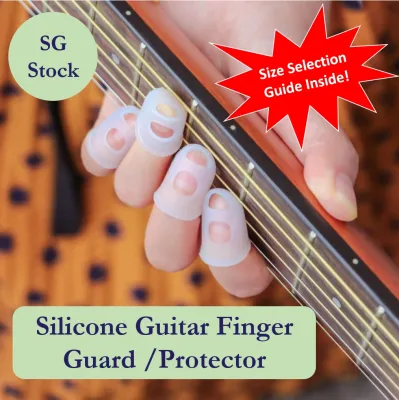
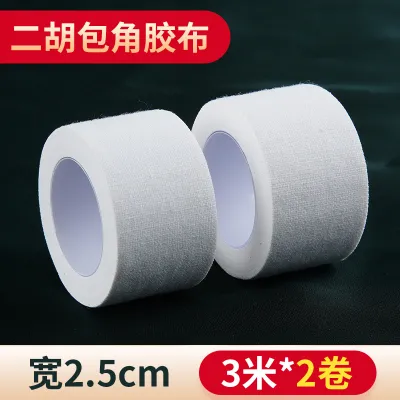


Prices are valid at publication and may change. Please refer to the product page for the latest price.
Tuning tools require careful verification of your specific instrument’s construction. Traditional guqins rely on a system of twisted silk cords (rongkou) wrapped around tuning pegs (zhen) at the head, anchored by the goose feet at the base. Tuning these requires manual adjustment of the pegs or sliding the cords, meaning standard mechanical wrenches are completely useless. Conversely, some modern guqins feature concealed mechanical gear systems (machine heads) similar to those on guitars. If your instrument has these modern pegs, you must verify the exact socket shape and size before purchasing a tuning wrench, as using an ill-fitting tool can strip the metal gears or damage the surrounding wood.
Safe Cleaning and Care Tools for Lacquer and Strings
The surface of a guqin is typically finished with a traditional mixture of raw lacquer and deer horn powder, a delicate composition that requires gentle maintenance. For daily cleaning, your primary tool should be an ultra-soft, high-density microfiber cloth or a lint-free cotton cloth. Avoid any fabrics with coarse fibers, exposed stitching, or decorative borders, as these can leave micro-scratches on the polished lacquer surface over time. Keep separate cloths for the wooden body and the strings to prevent transferring oils or residues between different parts of the instrument.

After every practice session, wipe down the strings and the top board to remove sweat, skin oils, and dust. If you play on traditional silk strings, they may require occasional application of specialized sliding lubricants or wax, whereas modern metal-nylon composite strings only need a dry wipe to prevent moisture buildup. Never apply commercial furniture polishes, alcohol-based cleaners, or household detergents to your guqin. These chemicals can dissolve or strip the natural lacquer finish; any specialized polishes or oils should only be used if explicitly approved or supplied by the instrument’s maker.
Your own hands are also part of the maintenance equation. Keep your fingernails on the left hand trimmed short and smooth to prevent them from gouging the lacquer during sliding techniques. The right-hand nails, used for plucking, should be filed to a smooth, rounded edge using a fine-grit nail file to ensure a clean tone and prevent the nail from catching or splintering on the strings.
Cases and Climate Control for Safe Storage
Transporting and storing your guqin safely requires a high-quality case. For daily commuting or moving between lessons, a semi-rigid gig bag or a hard-shell case is indispensable. Look for a case that features a dedicated, contoured neck support to prevent the instrument from shifting inside, along with thick high-density foam padding. The exterior should be made of a water-resistant material, such as high-denier nylon, to protect the instrument from sudden tropical downpours.
In Singapore, climate control is perhaps the most critical aspect of guqin preservation. The local relative humidity often hovers around 80% or higher, which can cause the wooden body of the guqin to swell, potentially warping the instrument or causing the lacquer to bubble and peel. Conversely, if you practice in an air-conditioned room, the sudden drop in humidity can dry out the wood too quickly, leading to cracks. To manage this, store your guqin in its case with silica gel packs or a specialized instrument dehumidifier when the ambient humidity is high. If you run air conditioning constantly, monitor the room with a digital hygrometer and aim to keep the environment within the maker’s recommended relative humidity range (typically between 40% and 60%).
When the guqin is not in its case, store it safely to prevent accidental falls. The safest method is to hang the instrument vertically on a sturdy wall mount designed specifically for the guqin, suspended by the tuning tassels. Ensure the wall hanger is anchored securely into a stud or solid masonry, away from direct sunlight, air conditioning vents, or damp walls. If hanging is not possible, store the instrument flat on its dedicated table with the anti-slip mats in place, ensuring it is positioned far enough from the table edges to prevent it from being knocked over.
How to Prioritize and Verify Your Accessory Kit
As a beginner, you do not need to purchase every available accessory at once. Prioritize your purchases into tiers to build your kit logically. Your immediate, non-negotiable purchases must include a protective case, a high-quality anti-slip mat, and a microfiber cleaning cloth. These three items provide the baseline protection needed to transport, play, and clean your instrument safely from day one. Secondary items, such as a dedicated guqin table, wall hangers, or specialized tuning aids for modern pegs, can be acquired as your practice space and budget allow.
Before purchasing any accessory, run through a compatibility checklist. Measure the physical dimensions of your guqin, particularly the width and thickness of the head and the position of the goose feet, to ensure they fit standard stands or cases. Identify whether your strings are traditional silk or metal-nylon composites, as this dictates your cleaning routine. Most importantly, inspect the lacquer type; if your instrument features a modern synthetic lacquer rather than traditional raw lacquer, its chemical sensitivity may differ, requiring different care products.
When in doubt, always consult the maker or an authorized luthier before applying any new accessory or cleaning agent. Using unauthorized chemical polishes, adhesive tape, or non-approved wall mounts can permanently damage the custom finish or structural integrity of your guqin, often voiding any warranties. A quick check with the maker ensures your maintenance routine supports the long-term health of your instrument.
Frequently Asked Questions (FAQ)
Can I use a standard guitar string winder on a guqin?
No, standard guitar string winders are generally incompatible with traditional guqins and can cause physical damage. Traditional guqins are tuned by manually turning the wooden pegs underneath the head or adjusting the tension of the silk tassels wrapped around the goose feet. A guitar winder, designed for metal machine heads, has no matching interface on a traditional guqin and could scratch the delicate lacquer if forced. Only specific modern guqins equipped with mechanical machine heads can use tuning wrenches or winders, and even then, you must verify that the tool’s socket matches the peg’s dimensions exactly before use.
How often should I replace the anti-slip mat?
You should replace your anti-slip mat as soon as you observe physical signs of degradation. Over time, exposure to dust, oils, and ambient humidity will cause the mat to lose its surface grip, allowing the guqin to slide during play. Inspect the mat regularly for hardening, cracking, or a sticky texture. If the material begins to leave any residue on your table or the base of your guqin, discard it immediately and replace it with a fresh, non-abrasive silicone or natural rubber mat to protect the instrument’s finish.
Community discussion
Share your experience or ask a question. Comments are reviewed before publication.