
Quick Guide to Starting Your Clayderman Collection
Building a well-rounded piano music collection featuring Richard Clayderman requires a strategic approach that balances his early landmark recordings with his later thematic studio releases. For decades, his distinctive instrumental pop and easy-listening piano style has bridged the gap between classical melodies and contemporary popular music. This accessible sound, characterized by clear melodic lines and lush orchestral backings, makes his discography highly appealing to collectors of romantic instrumental music.
When starting your collection, the most effective strategy is to begin with comprehensive signature compilations that secure his most famous melodies. Once you have established this foundation, you can selectively explore his niche studio albums and collaborative works. Always check the tracklists of potential purchases carefully, as his most recognized melodies have been repackaged under various titles across different regions, making redundancy a common challenge for new collectors.
Choosing the Right Audio Format for Your Collection
Deciding between compact discs (CDs), vinyl records, and digital downloads depends heavily on your listening habits, playback equipment, and storage environment. CDs offer excellent digital clarity, durability, and ease of storage, making them a highly practical choice for everyday listening. They are also widely available in second-hand markets, often at very accessible prices. Vinyl records, on the other hand, provide a warm analog sound and a tactile experience, complete with large-scale cover art and liner notes that appeal to dedicated collectors. However, vinyl requires a high-quality turntable, regular cleaning, and careful handling to prevent surface noise and scratches.
Products mentioned in this guide


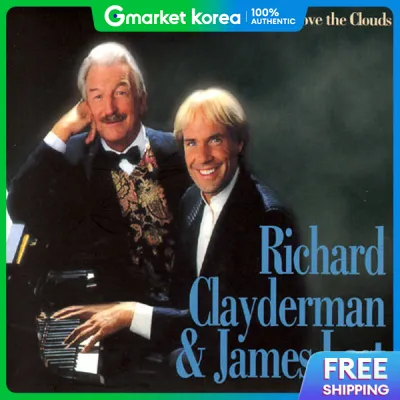
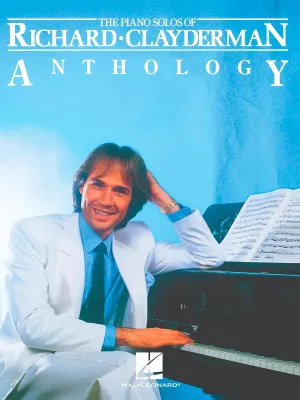


Prices are valid at publication and may change. Please refer to the product page for the latest price.

In Singapore’s tropical climate, physical media preservation requires specific precautions. High humidity and elevated temperatures can quickly damage both vinyl and CDs. Vinyl records are highly susceptible to warping if they are stored flat or exposed to direct sunlight; they must always be stored vertically in a cool, dry room. Furthermore, high humidity levels exceeding 60% encourage the growth of mold and mildew on paper inner sleeves, gatefold jackets, and CD lyric booklets. To protect your investment, consider using acid-free plastic outer sleeves, storing your collection in an air-conditioned or dehumidified space, and placing silica gel packets inside storage bins.
When sourcing physical copies, also keep format compatibility in mind. While standard CDs are globally compatible, certain high-resolution formats like Super Audio CDs (SACDs) or Japanese import mini-LP CDs may require specialized players to fully appreciate their audio quality. Additionally, ensure your turntable setup is properly grounded and calibrated to handle vintage vinyl pressings, which can vary in thickness and groove depth compared to modern reissues.
Core Eras to Anchor Your Piano Collection
To build a cohesive library, it is helpful to understand the distinct eras of Richard Clayderman’s career. His extensive discography can be broadly divided into his early breakthrough period and his mid-1980s golden era. Identifying these foundational periods allows you to select albums that represent the evolution of his signature romantic piano sound.
As you navigate these eras, learn to distinguish between original studio albums and later repackaged compilations. Original studio releases offer a cohesive listening experience designed around a specific theme or musical concept. In contrast, compilations often recycle the same core recordings under different titles and cover designs depending on the country of release, which can lead to accidental duplicate purchases if you do not verify the tracklists beforehand.
The Breakthrough Era and Signature Melodies
His breakthrough era, spanning the late 1970s and early 1980s, established the foundational sound that defined his global career. This period is marked by minimalist yet deeply expressive piano arrangements, typically accompanied by soft, sweeping string sections. The historical context of this era is centered around his sudden rise to fame following the release of his debut recordings, which introduced a fresh, accessible alternative to traditional classical piano music.
When sourcing albums from this breakthrough era, look for releases that contain his definitive early compositions, such as “Ballade pour Adeline,” “Lyphard Melodie,” and “Lettre à ma mère.” Original pressings from French labels like Delphine, or early West German and Japanese pressings, are highly sought after by collectors. These early pressings often feature excellent dynamic range and clean, uncompressed mastering that preserves the delicate touch of his early performances. Verify that the tracklist includes these essential melodies in their original, unedited arrangements rather than later re-recorded versions.
The Golden Era Studio Releases
During the mid-1980s, his studio releases entered a golden era characterized by more mature, complex, and diverse arrangements. While his signature piano style remained the focal point, the backing instrumentation expanded significantly. Producers and arrangers began incorporating broader orchestral elements, acoustic guitars, synthesizers, and electronic percussion, creating a richer and more contemporary instrumental sound.
To select the most cohesive studio albums from this prolific period, look for releases that maintain a balanced mix where the additional instrumentation supports rather than overshadows the piano. Prioritize albums arranged by his long-time collaborators, Olivier Toussaint and Gerard Salesses, whose work defined the peak of the easy-listening genre. Excellent candidates from this era include his dedicated albums of popular pop standards, romantic ballads, and original compositions that showcase his technical precision alongside lush, multi-layered orchestrations.
Thematic and Collaborative Albums for Depth
Once you have secured the essential early works and golden era studio releases, you can add depth to your collection by exploring thematic and collaborative albums. Throughout his career, he has released numerous specialized projects that focus on specific musical genres, regional cultures, or collaborative partnerships. These albums offer a fascinating look at how his signature piano style adapts to different musical contexts.
One popular category of thematic albums is his collection of movie soundtracks and cinema classics. These releases feature piano-led arrangements of iconic film themes, translating dramatic orchestral scores into intimate keyboard performances. Another key category is his classical adaptations, where he performs simplified, romanticized versions of famous pieces by composers such as Beethoven, Chopin, and Mozart. For collectors in Asia, his regional folk song interpretations are particularly significant; he has recorded multiple albums dedicated to traditional Chinese, Japanese, and Southeast Asian melodies, blending local musical motifs with Western pop-piano arrangements.
Collaborative albums also provide excellent variety. These projects often feature him performing alongside other prominent instrumentalists, such as pan flutist Gheorghe Zamfir, or backed by world-renowned orchestras like the Royal Philharmonic Orchestra. These collaborations elevate the musical scale of the recordings, offering a grander, more symphonic listening experience.
However, collectors should exercise caution when purchasing these thematic and collaborative releases. Audio mixing and mastering styles can vary dramatically across different projects. Some thematic albums from the late 1980s and 1990s rely heavily on early digital synthesizers and drum machines, which can sound dated or harsh compared to his acoustic-backed recordings. Additionally, regional releases targeted at specific markets may use different mastering standards, sometimes resulting in compressed dynamics or altered track orders. Always research the specific pressing and read tracklists carefully to ensure the musical direction aligns with your preferences.
What to Verify Before Buying Physical Copies
Sourcing physical copies of Richard Clayderman’s albums requires careful inspection to ensure you are receiving a high-quality product that is worth adding to your library. Whether you are browsing local second-hand vinyl shops, visiting physical music stores, or purchasing from online marketplaces, using a systematic verification checklist will help you avoid damaged or incomplete items.
When inspecting vinyl records, look closely at the playing surface under a bright light. Check for deep scratches, scuffs, or dull patches that indicate heavy wear. Gently place the record on a flat surface or observe it spinning on a turntable to check for warping, which can cause tracking issues or skipping. Inspect the center hole for spindle marks, which suggest the record has been played frequently. For compact discs, inspect the shiny play side for circular scratches, cloudy spots, or signs of “disc rot”—a deterioration of the reflective layer that appears as tiny pinholes of light when the disc is held up to a bright light source.
Next, verify the pressing details and packaging completeness. Check the matrix numbers stamped or etched into the run-out groove of the vinyl, or printed on the inner ring of the CD, to confirm the country of origin and pressing generation. Ensure the album includes its original liner notes, lyric booklets, and, in the case of Japanese imports, the paper Obi strip wrapped around the spine, as these components significantly affect the collectible value. The physical condition of the cardboard sleeve or jewel case should also be clean, free of heavy water damage, mold, or major tears.
Finally, evaluate the pricing and the seller’s policies. In the local second-hand market, vintage Clayderman vinyl records in very good to near-mint condition typically range from S$10 to S$30, while standard CDs often cost between S$5 and S$20, depending on their rarity and country of pressing. When buying from online marketplaces or independent sellers, always review their return policies and check if they use standardized grading systems (such as the Goldmine standard for vinyl). Prioritize sellers who offer play-tested descriptions rather than purely visual grading to ensure your physical copies play beautifully from start to finish.
Frequently Asked Questions (FAQ)
Are original pressings significantly better than modern reissues?
Original vinyl pressings from the late 1970s and 1980s are highly valued by collectors because they were mastered directly from the original analog tapes. This often results in a warmer, more cohesive mid-range sound that complements his romantic piano style. Modern reissues, while offering quieter surfaces with less background hiss, are sometimes mastered from digital files, which can occasionally sound slightly colder or overly compressed. If you prefer modern reissues, look for releases from reputable audiophile labels that explicitly state their mastering sources and use high-quality, heavy-weight vinyl.
How can I tell if a compilation album is worth adding to my collection?
To determine if a compilation is worth purchasing, compare its tracklist against your existing albums to check for unique content. A high-quality compilation should offer more than just his most common hits; look for releases that include exclusive live recordings, rare radio edits, unique orchestral collaborations, or high-resolution remastering (such as XRCD or SHM-CD formats). Avoid budget compilations released by obscure, non-authorized labels, as these often suffer from poor sound quality, generic packaging, and inferior mastering derived from low-quality source tapes.
Community discussion
Share your experience or ask a question. Comments are reviewed before publication.