
To dive into the legendary filmography of Stephen Chow, first-time viewers should start with his globally acclaimed blockbusters like Kung Fu Hustle or Shaolin Soccer before exploring his mid-career emotional masterpieces and early 1990s nonsense comedies. This progression allows you to appreciate his evolution from a localized slapstick performer into an international cinematic visionary. By understanding the distinct eras of his career, you can choose the films that best match your personal taste, language preferences, and viewing environment.
Stephen Chow is not just an actor and director; he is a cultural phenomenon whose unique brand of humor has shaped Asian cinema for decades. Whether you are looking to stream a lighthearted family movie or collect high-quality physical editions of cinematic classics, navigating his extensive catalog requires a clear roadmap. This guide breaks down his essential films, explains what makes his style so distinctive, and provides practical advice on how to source and enjoy his work.
How to Choose the Right Stephen Chow Film for Your Taste
Selecting the perfect Stephen Chow film depends heavily on your familiarity with Hong Kong cinema and your personal comedy preferences. His career is broadly divided into three distinct phases, each offering a different balance of humor, action, and narrative depth. If you prefer fast-paced, dialogue-driven comedy that relies on rapid-fire wordplay, his early 1990s films are ideal. However, if you prefer high-production values, spectacular action choreography, and universal visual gags, his post-2000 blockbusters are the best starting point.
Products mentioned in this guide
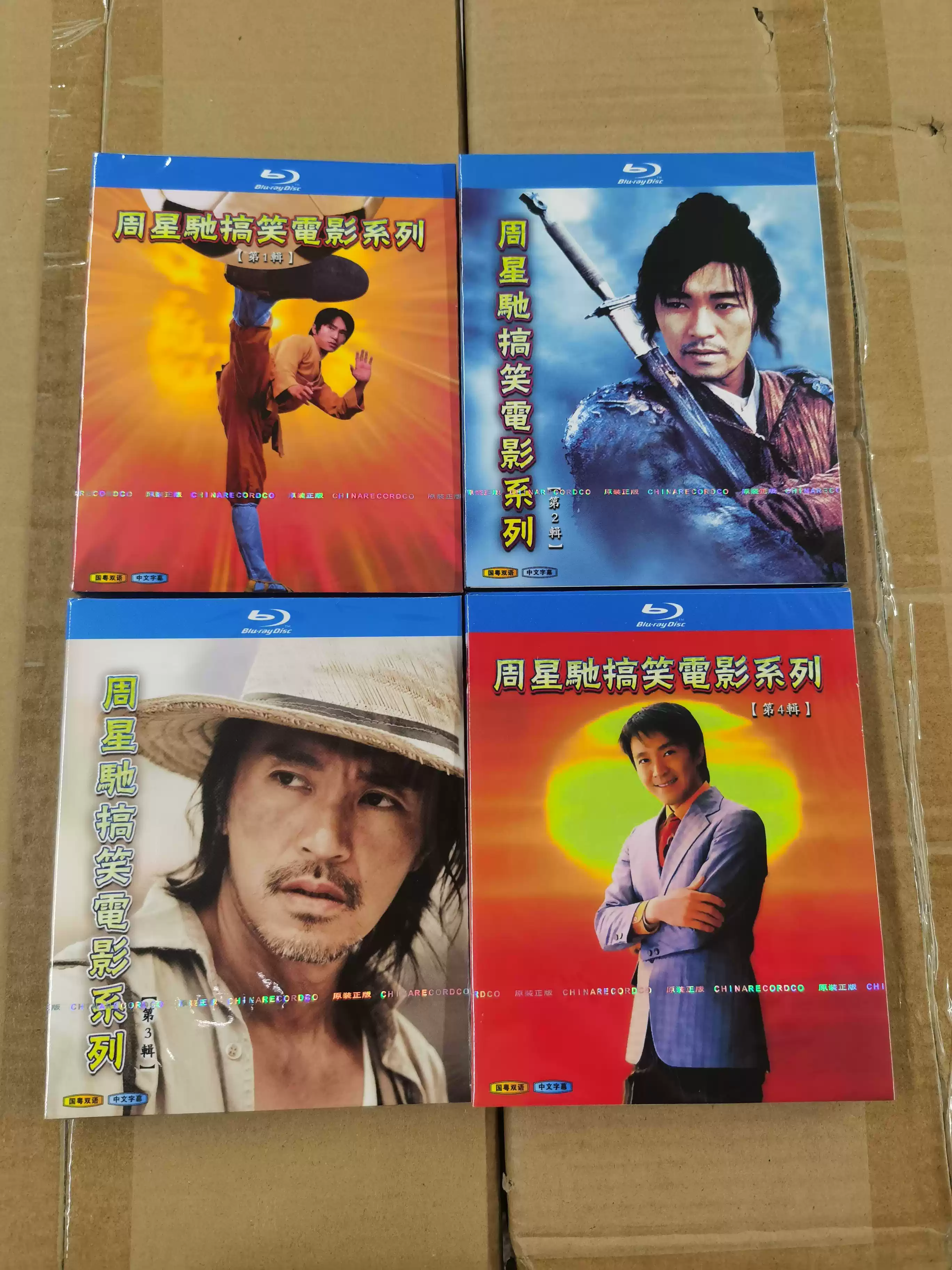
Prices are valid at publication and may change. Please refer to the product page for the latest price.
Language and subtitle options are critical factors when choosing how to watch his films. The original Cantonese audio tracks contain intricate linguistic puns, slang, and cultural references that are central to his signature humor. While Mandarin dubs are widely available and popular, they often alter the comedic timing and wordplay. For the most authentic experience, look for editions that feature the original Cantonese audio paired with high-quality, localized English subtitles that attempt to translate the spirit of the jokes rather than providing literal translations.
Content ratings and thematic maturity also vary significantly across his filmography. His early works from the late 1980s and early 1990s frequently feature mature themes, crude humor, and mild violence that may not be suitable for younger audiences. In contrast, his later directorial efforts tend to be more universally accessible, blending cartoonish physical comedy with family-friendly themes. Always check the specific content ratings and parental guides if you are planning a movie night with family members of varying ages.
The Essential Stephen Chow Watchlist for First-Time Viewers
To fully appreciate the genius of Stephen Chow, it helps to watch his films in a way that highlights his growth as an artist. His journey from a television host to a slapstick icon, and eventually to an internationally respected director, is reflected in the changing style of his movies. The following curated watchlist organizes his most essential films into three key eras, helping you navigate his vast catalog systematically.

The Breakthrough Slapstick Era (Early 1990s)
During the early 1990s, Stephen Chow dominated the Hong Kong box office by pioneering a style of comedy known as “Mo Lei Tau,” which translates literally to “no source” or “nonsense.” This era was characterized by rapid-fire gag delivery, absurd situations, and a complete subversion of traditional cinematic tropes. The films from this period were produced quickly, reflecting the high-energy, high-volume nature of the Hong Kong film industry at the time.
An excellent starting point for this era is All for the Winner (1990), a brilliant parody of serious gambling dramas that were popular at the time. In this film, Chow plays a country bumpkin with supernatural abilities who gets caught up in the high-stakes world of competitive gambling. The film established his on-screen chemistry with legendary co-star Ng Man-tat, creating a comedic partnership that would define dozens of subsequent films.
Another foundational classic is Fight Back to School (1991), where Chow plays an undercover police officer forced to infiltrate a high school to recover a stolen gun. The film masterfully parodies action movie tropes while delivering relatable schoolyard comedy. The humor relies heavily on the contrast between his character’s elite tactical skills and his complete inability to cope with basic classroom dynamics.
For those interested in historical parodies, Flirting Scholar (1993) is a must-watch. Based on a classic Chinese folktale, the film features rapid-fire poetry battles, physical slapstick, and elaborate schemes. While the linguistic puns in this film are incredibly dense, the visual comedy—such as using a person as a giant calligraphy brush—remains universally hilarious even if you do not speak Cantonese.
The Cinematic Masterpieces with Emotional Depth (Mid-1990s)
By the mid-1990s, Stephen Chow began taking more creative control over his projects, transitioning from a pure comedic actor into a director and writer. This transition marked a shift toward more complex narratives, flawed but highly relatable protagonists, and a delicate balance between absurd comedy and genuine emotional stakes. These films proved that he could make audiences cry just as easily as he could make them laugh.
A Chinese Odyssey (Parts 1 and 2, 1995) represents a major milestone in his career. Loosely based on the classic novel Journey to the West, this two-part epic blends fantasy, martial arts, romance, and tragedy. Chow plays the Monkey King reincarnated as a petty bandit leader who must come to terms with his destiny and the loss of his true love. The film’s emotional depth and philosophical themes have earned it a massive cult following.
In The God of Cookery (1996), Chow plays an arrogant, corrupt celebrity chef who is betrayed by his business partner and stripped of his status. Forced to start over from the streets, he learns humility, true culinary skill, and the value of genuine human connection. The film is a brilliant satire of commercialism and celebrity culture, featuring intense, martial-arts-style cooking battles alongside a touching redemption arc.
King of Comedy (1999) is perhaps his most personal film from this era. Drawing heavily on his own early struggles as an actor, Chow plays a passionate but unsuccessful extra who runs a community acting drama class. The film balances hilarious behind-the-scenes movie set parodies with a tender, grounded romance, showcasing his ability to deliver nuanced, dramatic performances alongside his signature comedic antics.
The Modern Blockbusters with Visual Spectacle (2000s Onward)
In the 2000s, Stephen Chow achieved widespread international recognition by integrating advanced CGI, high-concept visual effects, and traditional martial arts choreography into his films. These modern blockbusters rely less on localized Cantonese wordplay and more on universal physical comedy, making them highly accessible to global audiences who may not be familiar with Hong Kong pop culture.
Shaolin Soccer (2001) was the film that broke through to international mainstream audiences. The story follows a group of former Shaolin monks who reunite to apply their superhuman martial arts skills to the game of association football. The film utilizes cartoonish physics and CGI to create spectacular, gravity-defying sports sequences, delivering a classic underdog story filled with heart and humor.
His crowning achievement in this era is Kung Fu Hustle (2004), a love letter to traditional wuxia films and classic cartoons. Set in 1940s Shanghai, the film follows a petty crook who accidentally instigates a war between a ruthless gang and the hidden martial arts masters living in a rundown slum. The film features incredible action choreography, stunning visual effects, and a brilliant ensemble cast, making it one of the most celebrated action-comedies of all time.
During this period, Chow’s on-screen persona shifted from the fast-talking, hyperactive underdog of his early career to a more silent, physically expressive character. This allowed the visual storytelling and the supporting cast to carry much of the comedic weight, a technique that ensured the films resonated deeply with international viewers across different cultural backgrounds.
What to Expect When Watching Stephen Chow Comedies
First-time viewers should prepare themselves for the unique conventions of “Mo Lei Tau” comedy. This style frequently breaks the fourth wall, parodies other films, and completely defies logical narrative progression. Characters may suddenly burst into song, engage in absurdly dramatic arguments over trivial matters, or survive cartoonish levels of physical violence. Embracing this surrealism is key to enjoying his work; trying to apply strict real-world logic to the plots will only detract from the experience.
Despite the absurdity, almost all of his films are anchored by a powerful thematic core: the triumph of the underdog. Chow’s protagonists are rarely traditional heroes; they are often impoverished, morally compromised, or socially outcast individuals who must overcome systemic oppression, bullying, or their own personal flaws. This recurring theme gives his films a universal emotional resonance that transcends language and cultural barriers.
It is also important to set realistic expectations regarding the technical aspects of his older films. Movies from the early 1990s were shot on film with modest budgets, meaning you will encounter visible film grain, older practical special effects, and obvious wirework during action scenes. Additionally, older audio tracks may have slight synchronization issues, especially in dubbed versions. Viewing these elements as part of the historical charm of classic Hong Kong cinema will enhance your appreciation of his cinematic journey.
Where to Find and Collect Stephen Chow Films
Sourcing Stephen Chow’s films requires some careful checking, especially if you are looking to build a physical media collection. Many of his major titles are available on regional streaming platforms and digital storefronts, though availability can fluctuate due to licensing agreements. When searching digital platforms, look for licensed Asian cinema catalogs that offer high-definition streams with multiple audio and subtitle options.
For collectors, physical media remains the best way to experience his films in the highest possible quality. Specialized home video distributors frequently release restored Blu-ray and 4K Ultra HD editions of his classics. These physical releases often include valuable bonus features, such as interviews with the cast and crew, behind-the-scenes featurettes, and original theatrical trailers. Prices for these collector’s editions typically range from S$20 to S$50, depending on the rarity and the extent of the restoration.
Before purchasing any physical media, always verify the technical specifications to ensure compatibility with your home entertainment setup:
- Region Codes: Ensure the disc matches your player's region (e.g., Region A for Southeast Asia and North America, Region B for Europe) or use a region-free player.
- Audio Tracks: Confirm that the disc includes the original Cantonese audio track, as some international releases only feature English or Mandarin dubs.
- Subtitle Quality: Look for reviews or product descriptions that confirm the presence of high-quality, readable English subtitles.
- Aspect Ratio: Verify that the film is presented in its original widescreen aspect ratio rather than a cropped pan-and-scan format.
Frequently Asked Questions (FAQ)
Do I need to understand Cantonese to enjoy his movies?
No, you do not need to understand Cantonese to enjoy Stephen Chow’s films, though hearing the original language track is highly recommended. While his early films contain dense linguistic puns that are difficult to translate, a significant portion of his humor relies on universal physical comedy, expressive facial acting, and absurd situational setups. To get the most out of his dialogue-heavy films, always look for high-quality subtitle tracks that attempt to localize the jokes and explain cultural context, rather than relying on literal, word-for-word translations.
Are Stephen Chow's older films suitable for family viewing?
It depends on the specific film and the age of your family members. His early 1990s films often contain mature themes, crude humor, sexual innuendo, and mild violence that may not be appropriate for young children. However, his later blockbusters, such as Shaolin Soccer and CJ7 (2008), are much more family-friendly, focusing on wholesome themes of teamwork, friendship, and perseverance. It is always best to check the specific content ratings, parental advisories, and detailed reviews of individual titles before planning a family movie night.
Community discussion
Share your experience or ask a question. Comments are reviewed before publication.