
Gecko cajons occupy a distinct space in the Singapore percussion market, primarily serving as accessible, entry-level instruments. When compared to established premium brands, they offer a cost-effective entry point for beginners and hobbyists. However, making an informed decision requires looking beyond the price tag to evaluate specific physical attributes, snare configurations, and construction methods. By understanding how these elements influence playability and tone, you can determine whether a Gecko cajon aligns with your musical goals or if a higher-tier alternative is necessary.
Understanding Gecko's Market Positioning
To evaluate these instruments objectively, it helps to understand where they sit in the wider percussion landscape. The global cajon market spans a wide spectrum, from hand-crafted boutique models to mass-produced entry-level options. Premium manufacturers typically focus on high-end wood selection, precise internal acoustics, and rigorous quality control to ensure consistent performance across every unit they produce.
In contrast, budget-friendly brands like Gecko focus on high-volume production using engineered woods and standardized assembly lines. This manufacturing approach significantly lowers the barrier to entry, making hand percussion accessible to a broader audience. These instruments are highly popular for casual recreational use, classroom music programs, and beginner practice sessions where absolute acoustic perfection is secondary to basic functionality.
Products mentioned in this guide
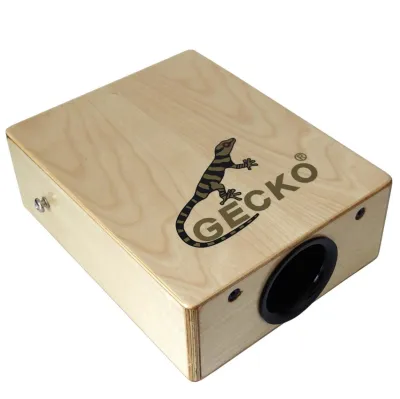
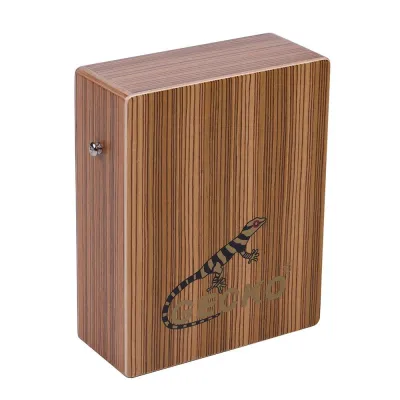
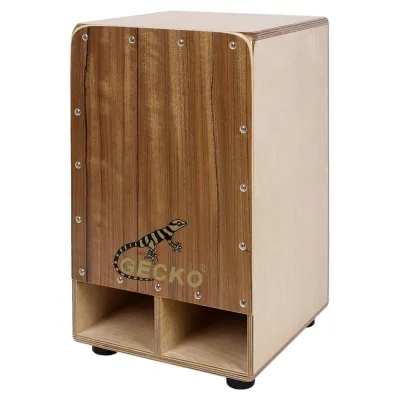
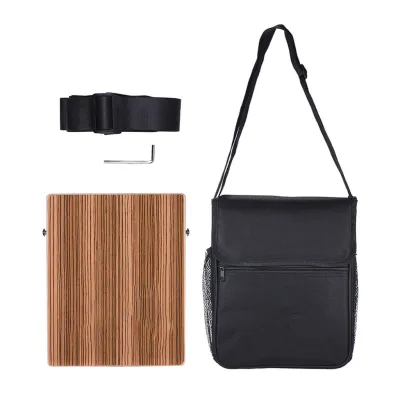


Prices are valid at publication and may change. Please refer to the product page for the latest price.
When exploring this budget tier, brand reputation is less about exotic tonewoods and more about consistent quality control. A reliable entry-level brand ensures that the joints are secure, the playing surface is flat, and the hardware functions correctly out of the box. Many budget models also bundle essential accessories, such as a carrying gig bag, which provides excellent practical value for players who need to transport their instrument to rehearsals or outdoor gatherings.
Key Dimensions for Comparing Build Quality
When comparing a Gecko cajon to other brands, the choice of materials and construction quality should be your primary focus. The front playing surface, known as the tapa, is the most critical component for sound production. It must be flexible enough to respond to light finger strikes while remaining durable enough to withstand heavy hand impacts over time.

Most entry-tier cajons utilize birch plywood, mahogany laminates, or synthetic composite layers for the tapa. Thinner tapas, typically around 2mm to 3mm, offer higher sensitivity and are easier for beginners to play, whereas thicker tapas require more striking force but can produce a more robust, punchy sound. When inspecting an instrument, look closely at the edges of the tapa to ensure there are no signs of wood splitting or delamination.
The main body, or resonance chamber, provides the structural frame and shapes the low-end bass tones. While premium models often feature multi-ply birch or solid hardwoods, budget-friendly options frequently use medium-density fiberboard (MDF) or commercial-grade plywood. Peer through the rear sound port to check the internal joints; they should be reinforced with corner blocks and free of excess, messy glue runs that could dampen internal resonance.
Hardware and finishing details also indicate how well an instrument will hold up over time. Inspect the rubber feet on the bottom of the cajon; they should be thick, non-slip, and securely screwed into the frame rather than simply glued on. The corners of the body should be smoothly rounded to prevent discomfort during long playing sessions, and the outer finish should be uniform, without rough patches or bubbles that could snag clothing.
Evaluating Sound Characteristics and Snare Systems
Sound profile and snare responsiveness are highly subjective, but they depend heavily on the internal mechanics of the instrument. Cajons generally employ either guitar strings or traditional snare wires pressed against the back of the tapa to create their characteristic rattle. Understanding these systems helps you predict how an instrument will sound even if you cannot test it in person.
Guitar string systems use one or more strings stretched vertically behind the tapa, often adjustable via tuning pegs on the bottom or back. This design produces a dry, crisp sizzle that can be fine-tuned to minimize snare buzz when you play clean bass notes. Traditional wire snares, similar to those found on a snare drum, offer a more pronounced, classic slap sound but can sometimes produce a lingering buzz that is more difficult to isolate from the bass tone.
Adjustability is a key differentiator when comparing budget brands to premium alternatives. Some entry-level models feature fixed internal snares that cannot be adjusted without opening the instrument or using specialized tools. More versatile models include external knobs or easily accessible tension screws, allowing you to adjust the bass-to-snare ratio on the fly to suit different musical genres.
Additionally, pay attention to the design and placement of the rear bass port. The size and shape of this sound hole dictate how air escapes the chamber, directly affecting low-end projection and depth. A well-designed port compresses the air to create a tight, punchy bass thump, which also makes it easier to place a microphone for live performances or home recording sessions without capturing excessive wind noise.
Assessing Value and Purchasing Channels
In Singapore, budget-friendly cajons typically range from S$80 to S$180, while premium European or American-branded models can easily exceed S$300 to S$600. When evaluating the overall value of a purchase, it is important to look at the complete package rather than just the base price of the instrument.
Many budget models are sold as bundles that include a padded gig bag, a seat cushion, and adjustment tools. If you plan to travel with your instrument, a gig bag is essential for protecting the wood from Singapore’s high humidity and transit bumps. Purchasing these accessories separately can quickly close the price gap between a budget bundle and a mid-tier standalone instrument, making complete packages highly cost-effective for beginners.
If you are purchasing through an online marketplace or local e-commerce platform, take time to verify the seller’s credentials. Read customer reviews carefully, looking for specific feedback regarding shipping protection, warped wood, or loose internal components. Because wood is sensitive to environmental changes, ensure the seller offers a clear return or exchange policy in case the instrument arrives damaged or structurally compromised.
Whenever possible, visiting a local music retailer in Singapore to test instruments in person is highly recommended. Sit on the cajon to check if the height is comfortable for your posture, and play a few basic strokes. Listen for a clear separation between the low-end bass thump and the high-end corner slap, and feel how responsive the tapa is to your hand strikes before making your final choice.
Decision Framework: Is a Gecko Cajon Right for You?
Choosing the right cajon ultimately depends on your skill level, budget, and intended use. A Gecko cajon is an excellent choice if you are a beginner looking to explore hand percussion without a major financial commitment, or if you need a secondary, lightweight instrument for casual outdoor gatherings and school club activities.
However, you should consider investing in premium alternative brands if you require studio-grade recording consistency, advanced adjustable snare systems, or highly durable solid-wood construction for professional gigging. These higher-tier instruments offer the refined tonal separation and structural resilience required for demanding performance environments.
If you decide to purchase online, always verify the seller’s return policy and be prepared to perform basic setup tasks upon arrival. Ensuring you have the right tools to adjust the tapa screws and tune the internal snare strings will help you get the best possible sound out of your new instrument.
Frequently Asked Questions (FAQ)
Do I need to tune or adjust a Gecko cajon before playing?
Yes, most budget-friendly cajons benefit from minor adjustments out of the box to match your playing style. You can use the included adjustment tool to tighten or loosen the internal snare strings; tightening them reduces unwanted buzz during bass hits, while loosening them increases the snare sizzle. Additionally, check the screws along the top edge of the tapa. Loosening these screws slightly can create a slap gap that enhances the high-pitched corner crack, but be careful not to back them out too far or strip the wood threads.
Can I upgrade the snare strings on a budget cajon?
While physically possible, upgrading the snare system on an entry-level cajon can be challenging due to structural limitations. You can replace worn guitar strings with standard acoustic or classical guitar strings of a similar gauge, but the internal mounting blocks and tuning pegs may not support more complex snare systems. If you find yourself wanting a radically different sound profile or a highly responsive snare mechanism, the cost and effort of custom modifications often outweigh the instrument’s value, making an upgrade to a higher-tier model a more practical path.
Community discussion
Share your experience or ask a question. Comments are reviewed before publication.