
William Golding’s classic lord of the flies book has long stood as a chilling testament to the fragility of human civilization and the dark impulses that lie beneath structured society. When a group of schoolboys is stranded on a deserted island, the rapid descent from orderly schoolboys to primal factions reveals uncomfortable truths about morality, leadership, and survival. For readers drawn to this intense psychological exploration, seeking out similar themes in contemporary literature offers a way to examine how different cultures and environments pressure the human psyche. Singaporean literature, with its unique intersection of rapid historical transitions, intense urban density, and multicultural complexity, provides a rich and often unexplored landscape for these exact thematic explorations. Rather than offering a static, pre-selected list of titles that may go out of print, this guide establishes a comprehensive discovery framework and evaluation criteria to help you identify Singaporean novels that capture the same haunting essence of Golding’s masterpiece.
Deconstructing the Core Themes of Lord of the Flies
To find meaningful thematic matches in local fiction, one must first isolate the specific narrative engines that make Golding’s work so enduring. At its heart, the novel is not merely an adventure story; it is an examination of the breakdown of social contracts when external authority is removed. This breakdown manifests as a tension between the instinct to build order and the primal urge to dominate. When evaluating potential reads, look for stories where characters are stripped of their usual societal safety nets, forcing them to negotiate power dynamics from scratch.
Another critical element is the exploration of moral ambiguity and the loss of innocence. In Golding’s narrative, the characters do not begin as villains; instead, their moral compasses slowly erode under the pressure of fear and isolation. A true thematic counterpart must mirror this gradual psychological decay, showing how ordinary individuals can commit extraordinary acts when pushed to their limits. The narrative tension should stem not from external monsters, but from the internal conflicts and shifting loyalties within the group itself.
Products mentioned in this guide
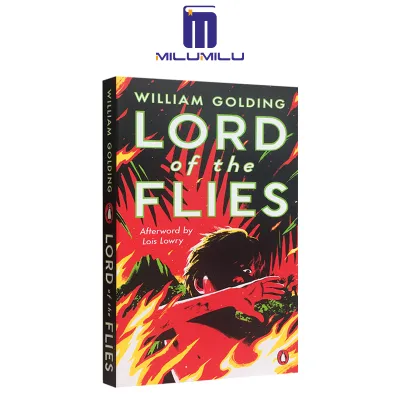
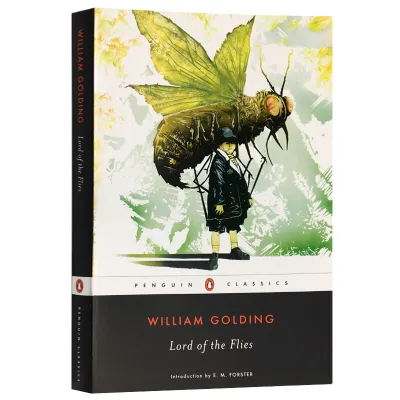
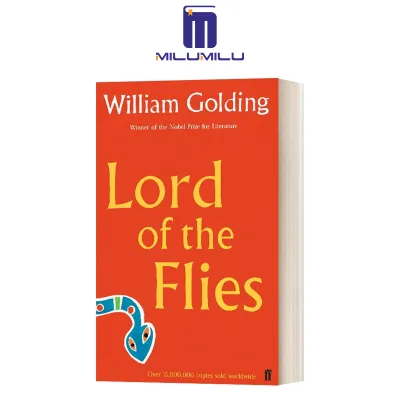


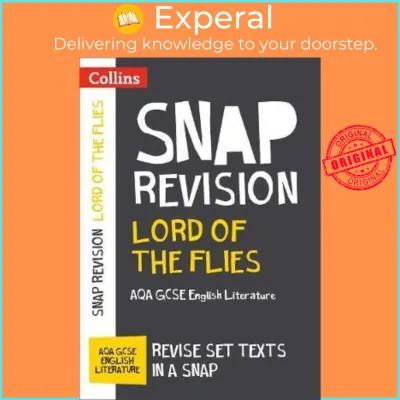
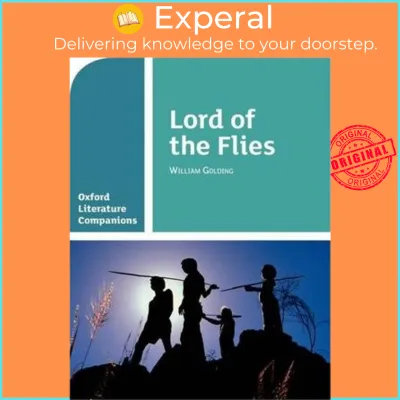
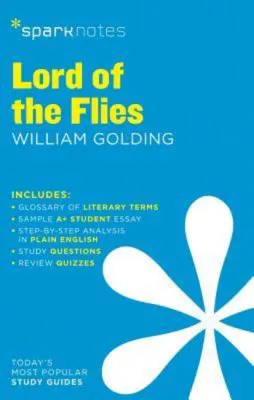
Prices are valid at publication and may change. Please refer to the product page for the latest price.
Furthermore, it is useful to distinguish between literal physical survival and modern psychological survival. While a deserted island provides a stark, physical canvas for isolation, modern novels often translate this isolation into crowded, urban spaces where characters feel utterly alone despite being surrounded by millions. The island becomes a metaphorical pressure cooker—such as a highly competitive school, a dysfunctional corporate environment, or a strict, insular community. Recognizing this shift allows you to appreciate how local authors adapt classic survival motifs to contemporary settings.
The Singaporean Context for Human Nature and Survival
Singapore’s rapid transformation from a post-colonial port to a highly developed global hub provides a unique backdrop for stories about human nature and survival. The sheer speed of modernization has created a society where traditional values and hyper-modern aspirations constantly collide. In local fiction, this tension often manifests as a psychological survival struggle, where characters must navigate intense academic, professional, and social pressures. The stakes are high, and the fear of falling behind can drive literary characters to compromise their ethical boundaries in ways that echo the desperate survival instincts of stranded schoolboys.

Urban density also plays a profound role in shaping the psychological landscape of Singaporean narratives. Living in close proximity within high-rise estates creates a paradox of hyper-visibility and deep personal isolation. Writers often use this dense environment to explore how rumors, peer pressure, and collective hysteria can spread through a community, mirroring the mob mentality that overtakes the boys in Golding’s novel. The fear of the beast is replaced by the fear of social ostracization, non-conformity, or failing to meet the rigid expectations of the collective.
Additionally, the tension between filial piety, collective societal expectations, and individual moral choices is a recurring motif in Singaporean literature. Characters are often torn between duty to their families or state and their own personal ethics. This struggle provides a fertile ground for exploring moral ambiguity, as what is deemed good by society may conflict with a character’s internal sense of justice. Historical backdrops, such as the hardships of the Japanese Occupation, or speculative future scenarios of resource scarcity, further amplify these dilemmas, forcing characters to make impossible choices to protect themselves and their loved ones.
Criteria for Selecting Thematic Matches
When searching for Singaporean novels that align with the psychological depth of the lord of the flies book, establishing clear evaluation criteria is essential. The first criterion is a strong narrative focus on character-driven psychological depth rather than pure plot mechanics or romance. A compelling thematic match will prioritize the internal lives of its characters, mapping their anxieties, motivations, and moral compromises. If a book relies too heavily on sensational plot twists or romantic subplots at the expense of character development, it is unlikely to deliver the profound psychological resonance you are seeking.
The second criterion is thematic resonance, specifically looking for nuanced explorations of morality. The best matches avoid didacticism; they do not present simple lessons about right and wrong or paint characters in black-and-white terms. Instead, they should leave you questioning your own moral boundaries, presenting scenarios where every choice carries a heavy ethical cost. Look for authors who embrace complexity and are unafraid to leave questions unanswered, allowing the reader to sit with the discomfort of the characters’ decisions.
Finally, it is crucial to check content warnings, maturity levels, and trigger warnings before diving into these works. Because these novels explore the darker facets of human nature, they often deal with intense themes such as systemic violence, psychological abuse, self-harm, and severe interpersonal conflict. Verifying these details through publisher descriptions or reader reviews ensures that the tone of the book matches your reading preferences and that you are prepared for the emotional weight of the narrative.
Thematic Pathways for Your Reading List
To help you build a personalized reading list, we can categorize potential Singaporean novels into three distinct thematic pathways, each exploring a different angle of human nature and survival.
Pathway 1 focuses on psychological thrillers centered on isolation, paranoia, and interpersonal conflict within dense urban settings. These stories often take place in high-pressure environments—such as elite academic institutions, competitive corporate offices, or tightly knit housing estates. The narrative drive comes from the slow unraveling of social decorum, revealing the ruthless ambition and psychological warfare that can occur when individuals are forced to compete for limited resources or status.
Pathway 2 examines historical or speculative fiction that deals with societal collapse, class divides, and moral compromises. These novels often use significant historical milestones or imagined dystopian futures to strip away the comforts of modern civilization. In these settings, characters are forced to confront the raw realities of survival, testing the limits of their empathy and solidarity. The focus here is on how quickly social structures can disintegrate when basic needs are threatened, and what remains of humanity in the aftermath.
Pathway 3 explores coming-of-age narratives that challenge innocence, expose societal hypocrisies, and chart the loss of a moral compass. Similar to the schoolboys in Golding’s work, the young protagonists in these stories are forced to navigate complex social hierarchies and peer pressures without effective adult guidance. As they confront the contradictions of the adult world, they must decide whether to conform to corrupt systems or forge their own, often painful, paths.
To discover books within these pathways, utilize targeted search strategies. Look through the catalogs of prominent independent Singaporean publishers, such as Epigram Books, Ethos Books, and Landmark Books, which are known for championing diverse and challenging local voices. Additionally, searching the archives of the Singapore Literature Prize or the Epigram Books Fiction Prize can lead you to critically acclaimed works that delve deeply into these complex psychological themes.
Sourcing and Verifying Singaporean Editions
Once you have identified potential titles, ensuring you acquire the correct and authorized editions is key to a high-quality reading experience. First, verify the original language of the work. While many Singaporean novels are written originally in English, a significant portion of local literature is written in Mandarin, Malay, or Tamil and subsequently translated. When purchasing a translated work, check the translator’s credentials and look for publisher notes that provide essential cultural and historical context, as local idioms and thematic nuances can sometimes be lost or altered in translation.
Second, pay close attention to publication details to distinguish between local independent presses and international reprints. Local publishers often produce editions with specific cover designs, forewords, or supplementary essays that enhance the reading experience. Supporting these independent presses directly ensures that local literary ecosystems continue to thrive, allowing more diverse stories to be told.
Finally, confirm format availability and regional distribution rights before making a purchase. Some local titles may have limited digital distribution or may only be available in physical formats within specific regions. To avoid purchasing unauthorized or poorly formatted print-on-demand copies from unverified online marketplaces, always source your books directly from official publisher websites, established local independent bookstores, or authorized global distributors.
Frequently Asked Questions (FAQ)
Are English translations of local novels widely available?
Yes, English translations of Singaporean novels originally written in Mandarin, Malay, or Tamil are increasingly accessible, thanks to the dedicated efforts of local independent publishers and translation grants. When searching for these works, it is highly recommended to check the publisher’s catalog directly, as they often highlight translated fiction. Reading translated works offers a broader perspective on the diverse cultural experiences within Singapore, though readers should look for editions that include translator notes or introductions to fully appreciate the localized context and linguistic nuances.
How can I support local authors and independent publishers directly?
The most effective way to support the Singaporean literary ecosystem is to purchase books directly from official publisher websites or independent brick-and-mortar bookstores located in Singapore. Many of these independent retailers offer international shipping for overseas readers. Additionally, attending local literary festivals, participating in virtual book launches, and leaving thoughtful reviews on reading platforms help increase the visibility of local authors. Always avoid purchasing from unauthorized third-party sellers on general ecommerce platforms to ensure that royalties go directly to the creators and their publishers.
Community discussion
Share your experience or ask a question. Comments are reviewed before publication.