
Tabletop role-playing games offer a unique blend of collaborative storytelling, tactical combat, and deep character progression that can be difficult to replicate in a solitary reading experience. For enthusiasts of these games, a compelling novel does not simply tell a story; it evokes the tension of a critical dice roll, the strategic coordination of a diverse adventuring party, and the mystery of exploring uncharted subterranean depths. Finding books that capture this specific energy requires looking beyond generic fantasy tropes to identify narratives built on structured world-building, clear character roles, and a palpable sense of adventure.
Whether you are a seasoned dungeon master looking for narrative inspiration or a player wanting to experience a campaign-style journey between game sessions, the literary world offers several pathways into these tabletop-inspired realms. From officially licensed novels set directly within iconic campaign settings to modern genres that explicitly integrate game mechanics into their prose, there is a vast landscape of fiction designed to appeal to the RPG mindset. By understanding what structural elements to look for and how to navigate the various subgenres, you can easily select a book that delivers the same excitement as sitting around the gaming table.
What Makes a Novel Feel Like a Tabletop RPG?
To successfully translate the tabletop experience into a compelling novel, an author must do more than simply mention dragons or dungeons. The most effective RPG-themed novels rely on specific structural elements that mirror the cooperative and mechanical nature of a tabletop session, allowing readers to recognize the underlying framework of a game within a narrative format.
Products mentioned in this guide
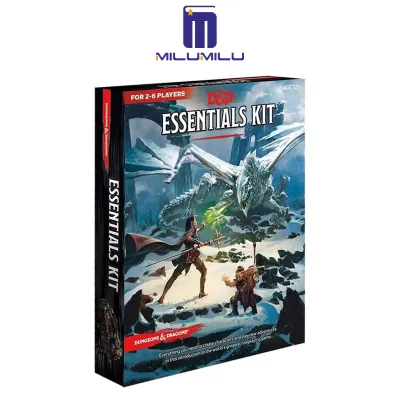
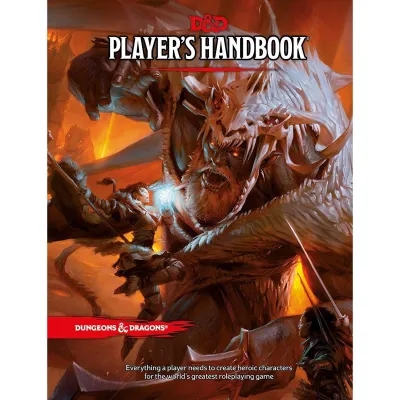
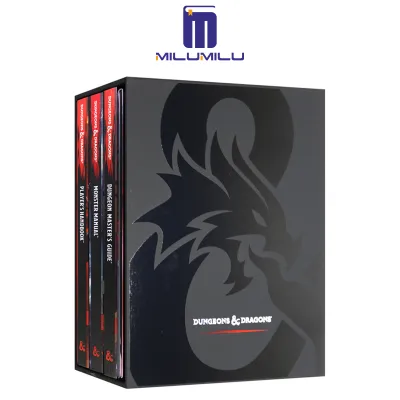
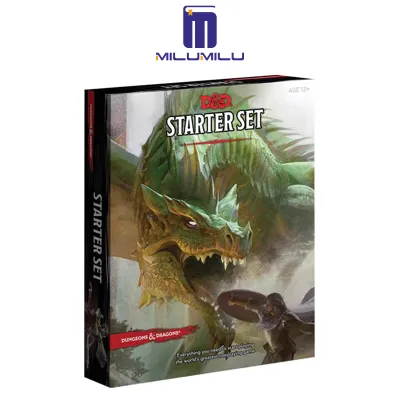
Prices are valid at publication and may change. Please refer to the product page for the latest price.
At the heart of any memorable tabletop campaign is the adventuring party, a diverse group of individuals who must combine their unique skills to overcome obstacles. In a novel that captures this feeling, you will find an ensemble cast where characters occupy distinct tactical and narrative roles. A frontline fighter might provide physical protection, while a spellcaster manages battlefield control, and a rogue handles stealth and utility tasks. The narrative tension in these stories often arises from how these contrasting personalities and skill sets interact, forcing characters to rely on one another’s strengths to survive encounters that no single individual could handle alone.
Another defining characteristic of tabletop-inspired fiction is the structured exploration of dangerous environments, commonly referred to as dungeon crawling. These stories treat the setting itself as an active opponent, filled with environmental hazards, intricate puzzles, hidden traps, and hostile creatures. As the characters descend deeper into these spaces, the narrative progression mirrors the steady advancement of a game session. Readers can feel the physical toll of the journey, the strategic conservation of resources, and the tangible reward of discovering ancient artifacts, magical weapons, or valuable loot that directly influences the characters’ capabilities in future chapters.
Tabletop games rely on rulesets to establish boundaries and stakes, and many engaging RPG-themed novels often employ hard magic systems that function with similar predictability. Instead of vague, unexplained sorcery, these books outline clear rules, limitations, and costs associated with magical abilities. Characters must manage their energy, prepare spells in advance, or operate within a defined system of physical laws. This mechanical transparency allows you to understand the stakes of a magical duel or a desperate escape, as you know exactly what resources the characters have at their disposal and what consequences they face if those resources are depleted.
Official D&D Universe Novels to Explore
For readers seeking the most direct connection to the tabletop hobby, the extensive library of officially licensed novels offers an immediate entry point. These books are set within the official campaign settings of the world’s most popular role-playing game, providing official lore, familiar monsters, and iconic locations that players will instantly recognize.

The Forgotten Realms is perhaps the most widely recognized setting in tabletop history, serving as the backdrop for hundreds of novels that expand upon its rich geography and history. Among the most prominent figures in this setting is Drizzt Do’Urden, a drow ranger whose adventures have spanned dozens of books. Reading these novels allows you to explore iconic locations such as the Underdark, Icewind Dale, and the city of Waterdeep. The narrative style in these books often emphasizes tactical combat, detailed descriptions of magical items, and the complex political landscapes of Faerûn, making them an excellent resource for players looking to deepen their understanding of the setting’s lore.
Another foundational pillar of tabletop-inspired literature is the Dragonlance series, which was originally conceived alongside a series of game modules. The classic chronicles follow a closely-knit group of childhood friends who reunite to face a growing darkness, strongly embodying the classic “adventuring party” archetype. This series is particularly notable for how it balances epic, world-shaping conflicts with intimate character moments, showcasing the distinct roles of characters like the honorable knight, the cynical mage, and the lighthearted kender. It remains a prime example of how a structured game campaign can be successfully adapted into a sweeping, character-driven fantasy epic.
Because these official universes have been active for decades, they contain hundreds of interconnected volumes written by various authors. Before purchasing a book from these settings, it is highly recommended to verify the chronological reading order and publication history. Some series are best read in the order they were written, while others benefit from a chronological approach based on the in-universe timeline. Checking official publisher guides or dedicated reader communities can help you avoid starting a series in the middle of a major story arc or purchasing an edition that requires significant background knowledge to fully appreciate.
D&D-Inspired Fantasy and LitRPG Adventures
Beyond the realm of officially licensed fiction lies a rapidly growing landscape of independent fantasy and LitRPG (Literary Role-Playing Game) novels. These books are not bound by official campaign lore, allowing authors to create entirely original worlds while still utilizing the structural elements, progression systems, and party dynamics that tabletop gamers love.
The LitRPG genre takes the connection between gaming and reading to its logical extreme by explicitly incorporating game mechanics directly into the text. In these stories, characters are often aware of their numerical statistics, level progression, skill trees, and quest logs. Whether the protagonist is trapped inside a virtual reality game or living in a fantasy world governed by visible, system-like laws, the narrative explicitly tracks their growth. This style of writing offers a highly gamified experience, where the satisfaction of watching a character “level up” and acquire new abilities is a central driver of the plot.
If you prefer a more traditional narrative style that still captures the essence of a tabletop game, mechanics-driven traditional fantasy offers an excellent middle ground. These novels do not feature explicit stat sheets or floating menus, but their worlds are clearly built on tabletop foundations. You will find stories centered on professional adventuring guilds, structured dungeon-clearing operations, and magic systems that feel like they were designed for a character sheet. These books capture the tactical decision-making and camaraderie of a gaming group without breaking the immersion of a classic fantasy setting.
When exploring these inspired genres, it is important to recognize that the balance between game mechanics and traditional storytelling can vary significantly. Some LitRPG novels prioritize rapid progression, detailed stat breakdowns, and combat sequences over deep character development or complex plotting. If you prefer rich character arcs and intricate world-building, you may want to read sample chapters before committing to a purchase. This allows you to evaluate whether the author’s writing style and the book’s pacing align with your personal reading preferences, ensuring a more satisfying experience.
How to Choose and Buy Your Next RPG-Themed Read
Selecting the right novel involves more than just finding an appealing plot summary; practical considerations regarding format, edition, and availability play a crucial role in ensuring a satisfying reading experience. By taking a systematic approach to your purchase, you can find high-quality editions that fit your lifestyle and budget.
Before finalizing your purchase, consider which format best suits your reading habits. Physical books offer the classic tactile experience of turning pages, which many collectors prefer, especially for series with detailed maps and character illustrations. E-books provide convenience and portability, allowing you to carry entire series on a single device. If you prefer audiobooks, verify the production style before buying; some RPG-themed audiobooks feature full-cast narration, ambient sound effects, and musical scores that create an immersive, radio-play-style experience reminiscent of a live tabletop session.
Because many fantasy and LitRPG series are highly serialized, it is essential to verify the completeness and specific edition of the book you are purchasing. Some titles are released as omnibus editions that collect multiple volumes into a single book, offering excellent value. Others may be revised editions that correct translation errors or update the magic system mechanics. Always check the publisher details, language options, and volume numbers to ensure you are getting the correct, complete version of the story rather than a partial release or a spin-off novella.
While major international releases are easy to find, exploring independent bookstores and local publishers in Singapore can reveal unique fantasy titles by regional authors. Many local writers incorporate tabletop mechanics, tactical combat, and diverse party dynamics into their world-building, often blending these elements with distinct cultural perspectives. Visiting independent bookshops or browsing local literary platforms allows you to discover these hidden gems while supporting the regional creative community.
RPG-themed fantasy novels are rarely standalone stories; they frequently span extensive multi-volume series or ongoing web serials. When planning your reading list, it is wise to budget for the long-term commitment of collecting these books. Prices for physical paperbacks and e-books can accumulate quickly over a ten-volume series, so consider looking for subscription services, library loans, or digital bundles to manage your expenses. Keeping your budget in mind, perhaps setting aside a specific amount in S$ each month for your reading hobby, will help you enjoy these epic journeys without unexpected financial strain.
Frequently Asked Questions (FAQ)
Do I need to play Dungeons and Dragons to enjoy these novels?
No, you do not need any prior tabletop gaming experience to enjoy these novels. While familiarity with the game can make it easier to spot specific references, monster types, or spell names, well-written fantasy novels are designed to stand on their own. They introduce their worlds, characters, and magic systems naturally within the narrative, ensuring that any reader can follow the plot and connect with the characters regardless of their gaming background.
What is the difference between LitRPG and traditional D&D fantasy?
The primary difference lies in how game mechanics are presented to the reader. In traditional D&D-inspired fantasy, the world functions like a classic story where magic, combat, and character growth are described purely through narrative action. In contrast, LitRPG explicitly incorporates game elements into the text, featuring visible character statistics, level-up notifications, and quest prompts that the characters themselves can see and interact with as part of their daily reality.
Community discussion
Share your experience or ask a question. Comments are reviewed before publication.