
Starting to learn a new instrument is an exciting milestone, but finding the right gear can feel overwhelming when you are trying to balance cost and quality. For beginners in Singapore looking to explore the world of amplified performance, an electric guitar ukulele offers a versatile entry point that bridges the gap between traditional acoustic tones and modern electronic effects. A practical budget for a beginner should focus on securing a reliable, playable instrument that stays in tune, rather than paying a premium for cosmetic upgrades or high-end brand names. To make an informed choice, you must first understand the fundamental differences between acoustic-electric models and solid-body electric models, as this distinction dictates how you will practice, what accessories you need, and how much you should expect to spend. By focusing on essential hardware and structural integrity, you can find an affordable instrument that supports your learning journey without draining your savings.
Acoustic-Electric vs. Solid-Body Electric Guitar Ukulele: Which Fits Your Goal?
Choosing between an acoustic-electric and a solid-body electric guitar ukulele depends heavily on where you plan to practice and the type of sound you want to create. An acoustic-electric ukulele is essentially a standard acoustic instrument fitted with an internal pickup system. This design allows you to play unplugged with a natural, woody resonance that is perfect for casual living room sessions or quiet practice. When you plug it into an amplifier, the pickup captures this acoustic vibration, delivering a traditional ukulele sound amplified for larger spaces.
In contrast, a solid-body electric guitar ukulele has no hollow chamber, meaning it produces almost no sound when unplugged. This makes it an exceptional choice for silent practice in high-density housing environments, such as Singapore’s HDB flats, where late-night playing might otherwise disturb family members or neighbors. By plugging headphones directly into a compatible headphone amplifier or audio interface, you can practice at any hour without making a sound. Furthermore, solid-body models are highly compatible with effects pedals, allowing you to experiment with distortion, delay, and chorus to mimic the sound of an electric guitar.
Products mentioned in this guide
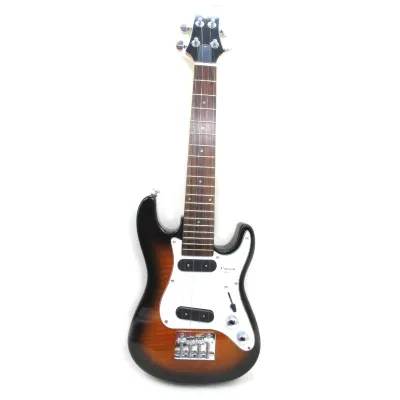


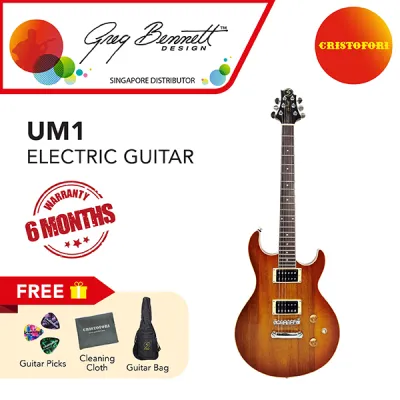
Prices are valid at publication and may change. Please refer to the product page for the latest price.
Playability also differs slightly between these two styles. Acoustic-electric models typically feature nylon strings with lower tension, which is gentle on beginner fingertips. They also tend to have traditional neck profiles that feel familiar to anyone who has held a standard ukulele. Solid-body electric models, however, sometimes utilize steel strings or hybrid setups that require slightly more finger pressure, though they offer a slimmer neck profile reminiscent of an electric guitar. Understanding these physical differences helps you select an instrument that matches your physical comfort and practice habits.
Allocating Your Budget: Where to Spend and Where to Save
When shopping on a budget, the key to maximizing value is knowing which features are critical for your progress and which ones you can safely skip. Your primary financial priority should always be the structural integrity and basic playability of the instrument. A straight neck is non-negotiable; a bowed neck makes it incredibly difficult to press down on the strings, leading to frustration and poor technique. You also need stable, enclosed tuning machines that hold their pitch, as cheap, loose tuners will force you to retune your instrument constantly. Finally, ensure the pickup system is functional and free of excessive background hum or crackling when connected to an amplifier.

To keep costs low, you should actively avoid paying extra for cosmetic features that do not improve the sound or playability of the instrument. Exotic tonewoods like koa or spalted maple look beautiful, but laminated woods or synthetic materials are highly durable, cost-effective, and perfectly adequate for a beginner. Similarly, complex multi-band onboard preamps with built-in tuners and equalizers add weight and cost; a simple volume and tone control knob is more than enough for an entry-level setup. You should also look past premium brand markups, as many lesser-known manufacturers produce highly reliable instruments at a fraction of the price.
Remember to factor in the hidden costs of essential accessories when setting your overall budget. Buying an electric guitar ukulele is only the first step, as you will also need an instrument cable to connect it to an amplifier or audio interface. If you choose a solid-body model, a headphone amplifier or a small practice amp is necessary to hear yourself play. Additionally, a padded gig bag is essential for protecting your instrument from accidental bumps and scratches when traveling to lessons or jam sessions, and a basic clip-on tuner will help you keep your strings pitched correctly.
Verifying Hardware, Pickups, and Amp Compatibility
Before finalizing your purchase, it is crucial to verify the technical specifications of the instrument to ensure it is compatible with your existing gear or the accessories you plan to buy. The type of pickup installed in the ukulele determines how it translates string vibrations into an electrical signal. Most acoustic-electric models use piezo pickups, which sit beneath the bridge saddle and detect physical vibrations. These pickups pair best with acoustic amplifiers or PA systems, which are designed to reproduce clean, natural acoustic tones without distortion.
Solid-body electric guitar ukuleles, on the other hand, often feature magnetic pickups similar to those found on standard electric guitars. These pickups detect the movement of metal strings and are highly compatible with traditional electric guitar amplifiers. If you attempt to plug a solid-body model with magnetic pickups into an acoustic amp, or vice versa, you may find the tone lacks warmth or sounds overly harsh. Always check the manufacturer’s specification sheet to confirm the pickup type so you can match it with the correct amplifier.
You must also verify the physical output jack size on the instrument. While most electric ukuleles use a standard 1/4-inch (6.35mm) output jack, some ultra-portable or silent models feature a 3.5mm headphone jack instead. Knowing this detail prevents the frustration of buying a standard instrument cable only to find it does not fit your ukulele. Additionally, read the product description carefully to see what is included in the box; some budget bundles include cables, straps, or batteries, while others require you to purchase these items separately.
Smart Buying Strategies and Quality Checks in Singapore
If you have the opportunity to shop in person at a local music store in Singapore, performing a few basic quality checks can save you from bringing home a defective instrument. Run your fingers along the edges of the fretboard to check for “fret sprout,” which occurs when the wood shrinks and leaves sharp metal fret ends sticking out. Look down the length of the neck from the headstock to the body to ensure it is straight and not twisted. You should also play notes on every fret to check for buzzing, which indicates uneven frets or poor setup, and verify that the intonation is correct by checking if the note at the twelfth fret matches the open string note exactly one octave higher.
When buying online, choosing the right retailer is just as important as choosing the right instrument. Established local music shops often perform a basic inspection and setup on their instruments before shipping them, which is highly beneficial for beginners. They also tend to offer reliable local warranty coverage, making it easy to seek assistance if you encounter electronic or structural issues. In contrast, buying from general online marketplaces or overseas sellers may save you a few dollars initially, but returning a defective instrument can be costly and time-consuming.
Be vigilant for red flags when browsing online listings for an electric guitar ukulele. Avoid listings that rely solely on generic stock photos, as these may not represent the actual build quality of the instrument you receive. A complete lack of detailed specifications, such as wood type, pickup style, or scale length, is another warning sign that the product may be of substandard quality. Furthermore, prices that seem unrealistically low often indicate counterfeit goods or factory seconds that failed quality control checks.
Finally, keep Singapore’s tropical climate in mind when choosing and storing your instrument. High humidity levels can cause the wood in acoustic-electric models to swell, leading to warped tops, high string action, or loose internal bracing. Solid-body electric models are generally more resilient to humidity changes because they lack a hollow wooden body, but their metal hardware can still rust if exposed to moisture. To protect your investment, store your ukulele in a padded gig bag with a small silica gel pack or a dedicated instrument dehumidifier, and keep it away from direct sunlight and air conditioning vents.
Frequently Asked Questions (FAQ)
Do I need a special amplifier for an electric guitar ukulele?
You do not need a specialized ukulele amplifier to get started, as standard electric guitar amplifiers work perfectly well for solid-body electric guitar ukuleles. If you are playing an acoustic-electric model, however, plugging into an acoustic amplifier or a PA system is recommended, as these systems are calibrated to preserve the natural, woody tone of the instrument. For beginners practicing at home on a tight budget, a dedicated amplifier may not even be necessary. You can opt for a highly affordable headphone amplifier that plugs directly into your ukulele, allowing you to practice silently while enjoying a clean, amplified signal through your favorite headphones.
Can I use standard electric guitar strings on an electric ukulele?
You should never use standard steel electric guitar strings on a traditional acoustic-electric ukulele, as the high tension of steel strings can easily warp the neck, lift the bridge, or crack the body. Acoustic-electric models are designed specifically for low-tension nylon or fluorocarbon strings. However, if you own a solid-body electric guitar ukulele equipped with magnetic pickups, steel strings are actually required for the pickups to function. In this case, you must use specialized, low-tension steel strings designed specifically for electric ukuleles, or check the manufacturer’s specification sheet to find the exact string gauges recommended for your specific model to avoid damaging the neck.
Community discussion
Share your experience or ask a question. Comments are reviewed before publication.