
For many tabletop role-playing enthusiasts, the magic of a great campaign lies in the shared journey: a band of mismatched adventurers, a series of escalating quests, and a world governed by rich, consistent rules. Translating this dynamic energy into the solitary experience of reading a novel requires a specific narrative alchemy. Whether you are looking for sprawling epic fantasy that mirrors a multi-year campaign or seeking localized stories that bring a Southeast Asian perspective to speculative fiction, understanding what to look for is key. This guide outlines how to identify the core elements of a tabletop campaign in fantasy literature, how to navigate the unique landscape of Singaporean speculative fiction, and how to make informed decisions before purchasing your next adventure.
Identifying the Dungeons and Dragons Campaign Feel in Fiction
At the heart of any campaign-style novel is the party dynamic. In fiction, this translates to an ensemble cast where characters possess distinct, specialized skill sets that complement one another. Instead of a single chosen hero who solves every problem, the narrative distributes challenges across the entire group. You will often recognize archetypal roles: a stealthy, street-smart character handling infiltration; a scholarly figure deciphering ancient runes; a resilient warrior anchoring physical confrontations; and a supportive companion managing healing or morale. The friction, growth, and synergy among these diverse personalities drive both the plot and the character development, mimicking the natural banter and cooperative problem-solving found at a gaming table.
Beyond individual roles, the evolution of these relationships mirrors the progression of a long-term gaming group. Characters who begin as suspicious strangers bound only by a common contract gradually develop deep bonds of trust through shared hardship. This slow-burn camaraderie is a hallmark of campaign-style fiction, where the emotional payoff of the journey is just as significant as the physical challenges overcome along the way.
Products mentioned in this guide
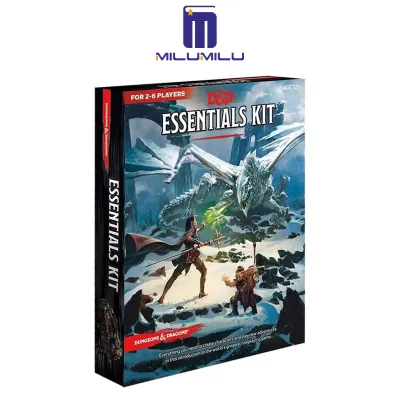
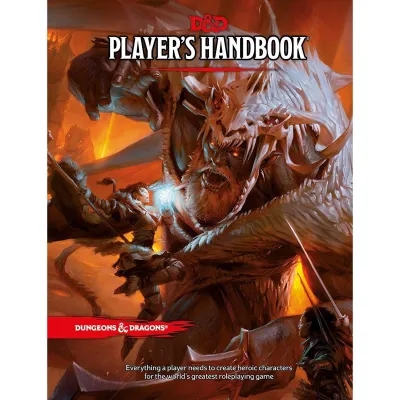
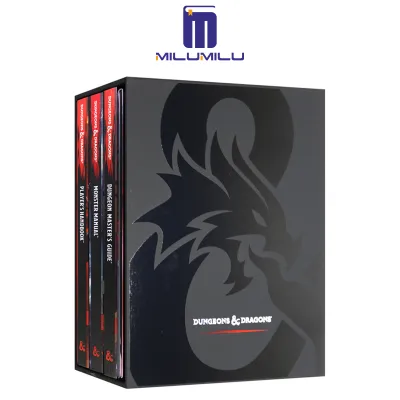
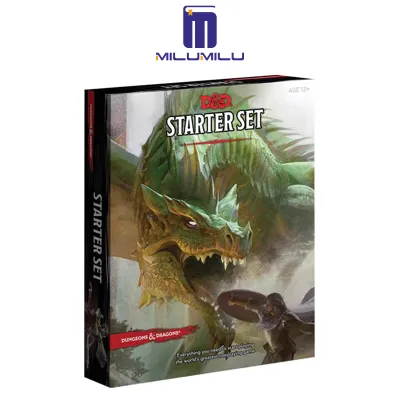
Prices are valid at publication and may change. Please refer to the product page for the latest price.
Tabletop campaigns are structurally episodic yet bound by an overarching narrative arc. A campaign-style novel reflects this through clear, goal-oriented plotting. Characters rarely wander aimlessly; they are driven by specific objectives—retrieving an ancient artifact, infiltrating a secure fortress, or defending a vulnerable settlement. These smaller objectives, or side quests, serve as stepping stones toward a larger confrontation. Alongside these objectives is a clear sense of progression. As characters overcome obstacles, their abilities, resources, and influence grow in a visible, structured manner, giving readers the satisfying feeling of a character leveling up and gaining new capabilities.
This structural progression often incorporates elements of physical exploration, reminiscent of classic dungeon crawls. Authors translate the tension of navigating a treacherous labyrinth, a haunted castle, or a high-security vault into narrative suspense. Every room entered, trap disarmed, and guardian defeated serves to test the party’s resourcefulness and reinforce the tactical stakes of the setting.
A campaign feel also requires a world that operates on predictable, logical rules. Soft magic systems, where spells function based on vague emotional states or unexplained phenomena, rarely capture the tactical essence of a tabletop game. Instead, look for hard magic systems with clearly defined limitations, costs, and mechanics. When a magic user must manage physical exhaustion, material components, or specific environmental conditions to cast a spell, the narrative gains a layer of tactical tension. The reader can actively problem-solve alongside the characters, understanding the stakes and the strategic choices involved in every encounter.
While many fantasy novels share these elements, they manifest differently across subgenres. Traditional epic fantasy offers grand world-building and high stakes, focusing on the emotional weight of the journey. Progression fantasy narrows the focus to the systematic growth of a character’s power, often drawing inspiration from martial arts or cultivation systems. Literature Role-Playing Games, commonly known as LitRPG, take the campaign feel to its literal extreme, incorporating explicit game mechanics such as stat sheets, experience points, and quest notifications directly into the text. Deciding which subgenre aligns with your preferences will help narrow your search.
Where to Find Singaporean Authors in the Fantasy Genre
Discovering speculative fiction by Singaporean authors requires looking beyond global bestseller lists, which often overlook regional markets. Start by exploring the catalogs of independent publishing houses based in Singapore. Local publishers have a history of championing local speculative fiction, urban fantasy, and alternative histories. Additionally, tracking the nominees and winners of the Singapore Literature Prize in the English Fiction category is an excellent way to identify high-quality, peer-reviewed works. The Singapore Writers Festival, held annually, is another fantastic discovery ground where you can attend panels, meet local authors, and discover newly released fantasy titles.

Before committing to full-length novels, readers can also explore local literary journals and anthologies. These collections frequently feature short speculative fiction and serve as excellent testing grounds for emerging authors. Reading anthologies allows you to sample a wide variety of writing styles, thematic approaches, and world-building concepts in a single volume, helping you identify specific writers whose longer works you might want to pursue.
The National Library Board of Singapore is an invaluable resource for discovering local talent. When searching the library’s online catalog, utilize advanced search filters to target local collections or use subject keywords like Singapore fiction alongside fantasy or science fiction. You can also use the library’s mobile application to access e-books and audiobooks by local authors, allowing you to sample works before making a purchase. Physical exploration can be equally rewarding. Visiting independent bookstores in Singapore—such as those located in cultural districts or specialized literary spaces—allows you to browse dedicated shelves for local literature. Store curators are often highly knowledgeable and can provide personalized recommendations based on your interest in campaign-style narratives or local folklore.
Singaporean fantasy offers a distinct departure from traditional Western tropes. Instead of medieval European landscapes, these stories are often set in dense, humid urban environments or historical Southeast Asian settings. Look for thematic markers such as the integration of regional folklore, including supernatural entities like pontianaks, toyols, or hungry ghosts. The magic systems may draw from local spiritual traditions, geomancy, or ancestral beliefs. Furthermore, the narrative style often reflects the multicultural fabric of Singapore, blending diverse linguistic influences, local idioms, and unique societal dynamics that ground the fantastical elements in a recognizable reality.
This cultural grounding often influences how cooperative dynamics are portrayed. In many local works, the concept of community solidarity and collective responsibility—reminiscent of the traditional kampung spirit—replaces the individualistic chosen one trope. This shift aligns beautifully with the cooperative nature of a tabletop party, where success depends on mutual support and shared community stakes rather than solitary heroism.
Pre-Purchase Checklist for Fantasy Fiction
Before committing to a purchase, it is essential to verify the specific edition and format of the book. Fantasy novels, particularly those from independent or regional publishers, may have different editions across markets. Confirm whether you are purchasing a paperback, hardcover, e-book, or audiobook. If you are buying a translated work, check the translator’s credentials and reader feedback regarding the quality of the translation. Additionally, ensure the product description explicitly states that the book is the complete, unabridged text rather than a condensed version or an anthology contribution. When budgeting for physical books, local paperbacks typically range from S$15 to S$30, depending on the publisher and format.
Understanding the distinction between traditionally published and self-published (indie) fantasy is also helpful. Traditionally published books undergo rigorous editorial pipelines, ensuring a standardized level of proofreading and formatting. Self-published works, which are highly popular in the progression fantasy and LitRPG subgenres, often offer rapid release schedules and highly niche concepts, though physical copies may be harder to find in local brick-and-mortar stores and may require ordering through online marketplaces.
If you prefer digital reading or listening, pay close attention to device compatibility and regional restrictions. E-books purchased from international digital storefronts may occasionally face geographical licensing restrictions that prevent them from being downloaded or read on devices registered in Singapore. Verify that the file format is fully compatible with your specific e-reader, tablet, or smartphone application. For audiobooks, check the narration style—some readers prefer single-narrator performances, while others enjoy full-cast productions that enhance the tabletop campaign atmosphere. You can also check local audiobook subscription services to see if the title is included in their catalog.
Campaign-style fantasy is rarely contained within a single volume; it frequently spans trilogies or long-running series. Before buying the first book, research the series’ completion status. Reading an unfinished series requires patience, as waiting for subsequent volumes can take years. If you prefer a complete narrative arc, look for finished trilogies or standalone novels set in a shared world. Finally, review content advisories or age ratings. Tabletop-inspired fiction can range from lighthearted, family-friendly adventures to dark, gritty stories featuring intense violence, psychological horror, or mature themes. Aligning these factors with your personal preferences ensures a satisfying reading experience.
Frequently Asked Questions (FAQ)
Can a novel truly replicate the mechanics of a tabletop role-playing game?
While a novel cannot replicate the physical act of rolling dice or the absolute unpredictability of player choices, it can successfully capture the spirit of those mechanics. Traditional fiction achieves this by translating game balance into narrative tension. Instead of random rolls, the author uses pacing, character limitations, and environmental obstacles to create situations where success is never guaranteed. In contrast, LitRPG novels integrate these mechanics explicitly, showing character statistics and level progression on the page. Both approaches offer a different way to experience the strategic and developmental aspects of a tabletop campaign.
What local folklore elements distinguish Singaporean fantasy from Western tropes?
Singaporean fantasy is deeply influenced by the diverse cultural heritage of Southeast Asia, setting it apart from the Anglo-Saxon and Celtic mythologies that dominate Western fantasy. Readers will find stories populated by regional spirits, deities, and mythical creatures drawn from Malay, Chinese, Indian, and Eurasian folklore. The settings themselves reflect this difference; instead of sprawling temperate forests and stone castles, these narratives unfold in tropical rainforests, bustling maritime ports, or high-rise urban landscapes. This fusion of ancient mythology with modern, tropical environments creates a unique subgenre of urban fantasy that feels both fresh and culturally resonant.
Community discussion
Share your experience or ask a question. Comments are reviewed before publication.