
If you have spent hours devouring Shannon Messenger’s Keeper of the Lost Cities, you are likely familiar with the intoxicating pull of a hidden magical world. The journey of Sophie Foster—transitioning from an ordinary life into a dazzling, high-stakes society filled with telepaths, gnomes, and majestic creatures—captures a unique blend of wonder, friendship, and mystery. Finding a series that matches this exact formula can feel like searching for a needle in a haystack, especially when looking to diversify your reading list with local voices.
Fortunately, the vibrant literary landscape of Singapore offers an exciting array of speculative and fantasy fiction. While you might not find an exact carbon copy of Foxfire Academy set along the Singapore River, local authors have crafted rich, immersive worlds that mirror the core appeals of your favorite series. By exploring Singaporean fantasy, you can experience the same thrill of discovering hidden magical societies, complex magic systems, and compelling coming-of-age journeys, all infused with a distinct Southeast Asian flavor. This guide will help you navigate this transition, showing you how to translate your love for the Lost Cities into a passion for Singaporean speculative fiction.
Deconstructing the Keeper of the Lost Cities Appeal
To find the perfect local alternative, it is essential to understand what makes Keeper of the Lost Cities so captivating. At its heart, the series relies on the classic portal fantasy trope, where a protagonist is whisked away from a mundane reality into a hidden, highly organized magical society. This transition allows readers to learn the rules, history, and social structures of the new world alongside the main character, creating a deep sense of immersion and personal discovery.
Products mentioned in this guide
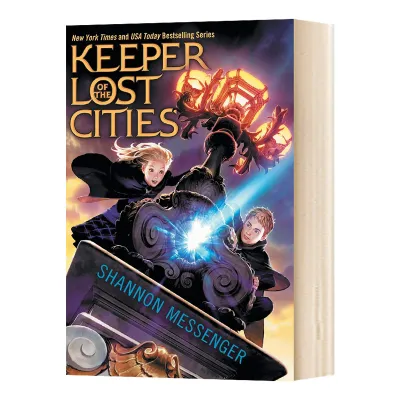
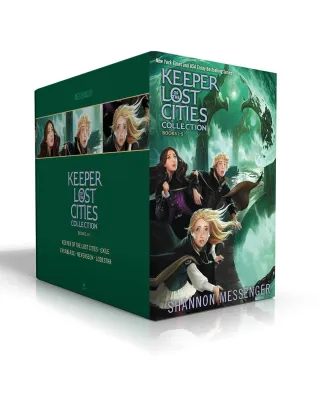
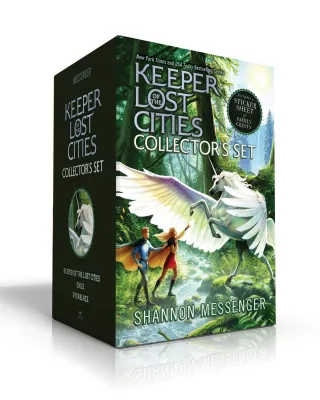
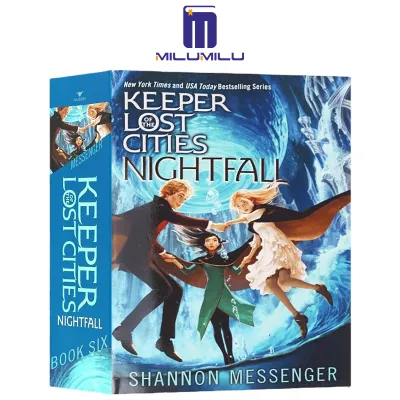
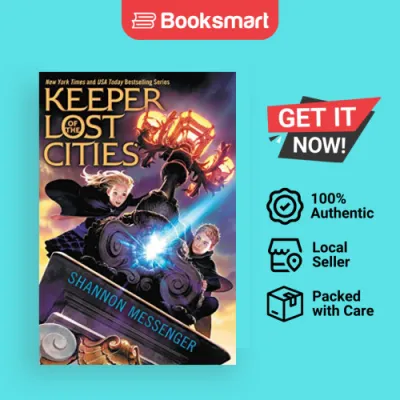
Prices are valid at publication and may change. Please refer to the product page for the latest price.
The magical academy setting is another cornerstone of the series’ appeal. Foxfire is not merely a school; it is a vibrant hub of social dynamics, academic competition, and personal growth. The structured environment of mentoring, exams, and extracurricular challenges provides a familiar framework that grounds the fantastical elements. Within these walls, characters develop unique, specialized abilities that define their roles in society, making the magic system feel structured and earned.
Furthermore, the series excels at building complex character relationships and a strong sense of found family. The bonds between Sophie and her friends are tested by political intrigue, family legacies, and the looming threat of rebel factions. This balance of lighthearted friendship and high-stakes conflict keeps the narrative engaging across multiple volumes. The characters are allowed to make mistakes, face consequences, and mature over time, transitioning from naive children to capable young adults.
Finally, the sheer scale of the world-building keeps readers hooked. The Lost Cities are populated by distinct non-human races, each with their own cultural norms, histories, and ecological roles. The political landscape is fraught with tension between the ruling Council and various underground movements, showing that even a seemingly perfect magical utopia has dark secrets. This depth of lore ensures that there is always another mystery to unravel, keeping the reading experience fresh and exciting.
The Landscape of Singapore Speculative and Fantasy Fiction
When stepping into the world of Singaporean speculative fiction, it is helpful to adjust your expectations regarding genre conventions. In Western publishing, middle-grade fantasy often dominates the magical academy subgenre. In Singapore, however, the speculative fiction landscape leans heavily toward urban fantasy, mythological retellings, and speculative science fiction. Rather than creating entirely separate, isolated magical realms, local authors frequently weave magic directly into the fabric of modern city life.

This integration of magic and reality creates a unique subgenre of urban fantasy. Instead of traveling to a distant elven sanctuary, characters in Singaporean fantasy might discover hidden supernatural dimensions coexisting with bustling housing estates, historic shophouses, and modern transit systems. This juxtaposition of the ultra-modern city-state with ancient, unseen forces offers a thrillingly familiar yet fantastical reading experience that mirrors the “hidden world” appeal of the Lost Cities.
Cultural mythologies play a massive role in shaping these local worlds. Singapore’s multicultural identity allows writers to draw from a rich tapestry of Chinese, Malay, Indian, and Eurasian folklore. Instead of standard Western fantasy creatures like goblins and trolls, you are more likely to encounter legendary beings from Southeast Asian mythology, such as pontianaks, jiangshi, garudas, and local spirits. This diverse mythological foundation provides a refreshing alternative to Eurocentric fantasy tropes.
It is also important to note a shift in target demographics. While Keeper of the Lost Cities starts as a middle-grade series and matures into young adult territory, a significant portion of Singaporean fantasy is written directly for young adults or adult readers. These stories often explore deeper thematic elements, such as cultural identity, historical trauma, and societal expectations. Consequently, younger readers transitioning from early KOTLC books may need to select local titles carefully to ensure the content matches their reading maturity.
Lastly, the publishing format in Singapore tends to favor standalone novels, tightly written trilogies, or speculative short story anthologies over massive, ten-book epics. This structural difference means you can experience a complete, satisfying narrative arc without committing to years of reading. Anthologies, in particular, serve as excellent tasting menus, allowing you to sample various authors’ writing styles and world-building techniques in a single volume.
Where to Discover Singapore Fantasy Authors and Titles
Finding locally published fantasy requires knowing where to look, as these titles are often championed by independent entities rather than global conglomerate publishers. Independent publishers in Singapore are the primary drivers of speculative fiction. Presses such as Epigram Books, Ethos Books, and Math Paper Press are dedicated to nurturing local talent and regularly publish genre-bending narratives that push the boundaries of traditional fantasy and science fiction.
To browse these publications, visiting independent bookstores is highly recommended. While large international retail chains carry a selection of local literature, independent bookshops often feature dedicated, carefully curated sections for Singaporean authors. These shops are staffed by passionate book lovers who can offer personalized recommendations based on your reading preferences. Many of these independent stores also maintain robust online storefronts, making it easy to support them from home.
For younger readers or those looking specifically for middle-grade and young adult fantasy, specialized children’s bookstores are invaluable resources. These boutiques focus on literature for younger audiences and often stock a delightful range of regional fantasy and adventure stories that might go unnoticed in larger, general-interest bookstores. The staff in these shops are particularly adept at finding age-appropriate local alternatives to popular international series.
Another excellent avenue for discovery is the local literary event calendar. The annual Singapore Writers Festival is a major highlight, bringing together local and international authors for panels, workshops, and book launches. Attending sessions dedicated to speculative fiction or youth literature allows you to hear local fantasy writers discuss their inspirations and world-building techniques firsthand, often leading to exciting new additions to your reading list.
Finally, keeping an eye on national literary awards can help you identify high-quality speculative works. The Singapore Literature Prize, for example, recognizes outstanding achievements in local writing across various languages and genres. Reviewing the shortlists and winning titles in the English fiction category is a reliable method for discovering critically acclaimed fantasy and speculative novels that have captured the imagination of local readers and judges alike.
Evaluation Checklist Before You Buy or Borrow
Before purchasing a new book or borrowing it from the National Library Board, using a structured evaluation checklist can help ensure the title aligns with your reading preferences and maturity level. Because Singaporean speculative fiction covers a broad spectrum of themes and styles, a quick check beforehand prevents disappointment and helps you find the perfect match for your current reading mood.
First, verify the target audience and content maturity. Since many local fantasy novels are written for young adults or adults, they may contain darker themes, complex political allegories, or mature language that differs from the lighter tone of early KOTLC books. Reading the publisher’s age recommendation or checking online reader reviews can help you determine if the book’s maturity level matches your comfort zone.
Second, consider the book’s format and accessibility. Determine whether you prefer a physical paperback, an ebook, or an audiobook. Most local publishers make their titles available across multiple digital platforms, ensuring compatibility with your preferred e-reader. If you enjoy listening to books, check if a local audio production is available, keeping in mind that while the local audiobook market is growing, physical and digital print formats remain the most widely accessible options.
Third, assess the language and cultural context of the book. Singaporean literature often incorporates local dialects, colloquialisms, or specific cultural references to ground the story in its unique setting. Some books include a glossary at the back to assist readers unfamiliar with these terms, while others rely on contextual clues. Deciding whether you enjoy this level of cultural immersion or prefer a more standardized English narrative will help guide your selection.
Fourth, look at the narrative structure and commitment level. Ask yourself if you are looking for a long-term series to sink your teeth into or a self-contained story. If you love the sprawling, multi-book continuity of the Lost Cities, seek out local trilogies or series. If you prefer a quick, complete adventure, look for standalone novels or speculative fiction anthologies that offer a diverse range of shorter stories.
Frequently Asked Questions (FAQ)
Are there direct middle-grade magical academy equivalents written by Singapore authors?
Direct equivalents to the middle-grade magical academy trope, such as a local version of Foxfire, are relatively rare in Singaporean publishing. Instead, local authors writing for middle-grade audiences tend to focus on mythological adventure stories, urban fantasy quests, or historical mysteries. These books often feature young protagonists discovering magical secrets within Singapore’s history or local nature reserves, offering a similar sense of wonder and adventure without the structured school setting.
How can I support local speculative fiction authors?
The most effective way to support local speculative fiction authors is to purchase their books directly from independent local bookstores or official publisher websites. Additionally, you can request their titles at your local library, which helps demonstrate demand to librarians and distributors. Engaging with authors on social media, attending their book launches at literary festivals, and leaving honest reviews on book-sharing platforms also significantly boosts their visibility.
Do Singapore fantasy books incorporate local folklore?
Yes, the integration of Southeast Asian folklore and local legends is a defining characteristic of Singaporean fantasy. Rather than relying on traditional Western mythical creatures, local authors draw from a rich tapestry of regional myths, spiritual beliefs, and cultural practices. This infusion of diverse cultural elements creates a unique world-building experience that feels fresh, educational, and deeply distinct from Western-centric magic systems.
Community discussion
Share your experience or ask a question. Comments are reviewed before publication.