
If you have ever been swept away by the raw, untamed energy of Jack London’s classic The Call of the Wild, you know the unique thrill of survival literature. The struggle against a harsh environment, the awakening of primal instincts, and the profound, unspoken bonds between humans and animals create an unforgettable reading experience. While Singapore’s highly urbanized landscape might seem a world away from the frozen, snow-swept trails of the Yukon, local literature offers its own gripping equivalents. By shifting your gaze from the arctic tundra to the dense tropical jungles, maritime trade routes, and complex urban ecosystems of Southeast Asia, you can find remarkable narratives of survival, resilience, and connection with the natural world.
Finding these thematic matches requires looking beyond the literal setting of sled dogs and gold rushes. Instead, the search centers on how local writers capture the essence of struggle, adaptation, and the thin line between civilization and the wild. Whether through historical frontier tales, contemporary eco-fiction, or psychological survival in the concrete jungle, Singaporean authors have crafted a rich body of work that speaks directly to the themes popularized by Jack London.
Decoding The Call of the Wild: Core Themes to Match
To find local literary equivalents, it is essential to first break down what makes The Call of the Wild such a enduring masterpiece. Published in 1903, Jack London’s novel follows Buck, a domesticated dog stolen from his comfortable California home and thrust into the brutal reality of the Klondike Gold Rush. The core appeal of this narrative lies in its exploration of the harshness of an untamed wilderness, where survival is never guaranteed and characters must adapt or perish.
Products mentioned in this guide


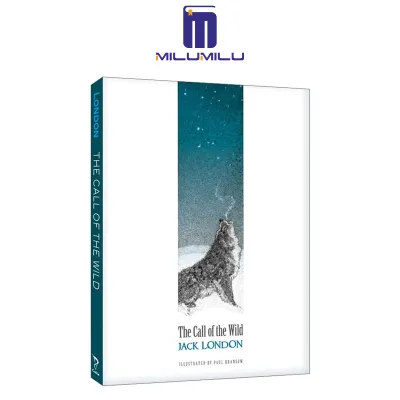


Prices are valid at publication and may change. Please refer to the product page for the latest price.
At the heart of the story is the struggle for basic survival, characterized by London’s law of “club and fang.” This environment strips away the veneer of civilization, forcing the protagonist to rely on raw instinct and physical endurance. For Buck, this journey is not just about staying alive; it is an awakening of ancestral memories and primal instincts that have been suppressed by domestic life. The “call” he hears is a pull back to a state of nature, suggesting that beneath our civilized exteriors lies a deeper, wilder self.
Equally compelling is the profound human-animal bond, most beautifully illustrated through Buck’s relationship with John Thornton. This connection is built on mutual respect, love, and shared survival, proving that even in the most ruthless environments, deep emotional anchors exist. A reader drawn to this dynamic is often looking for stories that explore empathy across species lines and the ways in which animals and humans shape one another’s destinies.
For a Singaporean novel to match this profile, it must deliver similar emotional and thematic beats. While you will not find sub-zero temperatures or sled-dog teams in local writing, you will find characters—both human and non-human—who are pushed to their physical and psychological limits by their environments. The transition from the arctic ice to the tropical equator changes the backdrop, but the fundamental struggle of adaptation and survival remains entirely intact.
Translating the Wilderness: Nature and Survival in Singaporean Literature
When seeking adventure and survival stories in Singaporean literature, you must adapt your definition of “the wild.” Singapore’s geographical reality is characterized by a tropical, equatorial climate, meaning its natural wilderness consists of dense rainforests, mangrove swamps, coastal mudflats, and the surrounding maritime corridors of the Malacca Strait. Historically, these environments were incredibly challenging to navigate, filled with thick vegetation, intense humidity, tropical diseases, and apex predators like tigers and saltwater crocodiles.

In local writing, animals are rarely portrayed as the singular, driving protagonists of adult literary fiction in the way Buck is. Instead, animals in Singaporean and Southeast Asian narratives often serve as ecological indicators, historical companions, or powerful symbols of the tension between rapid urban development and the natural world. For instance, encounters with wild boars, long-tailed macaques, or smooth-coated otters in local stories highlight the shifting boundaries between human territory and the remaining pockets of green space.
This ecological reality shifts the literary focus from pure “wilderness survival” to historical survival and eco-survival. Historical fiction in this region often depicts early settlers, immigrants, and indigenous communities navigating the daunting task of clearing jungles, surviving wartime hardships during the Japanese Occupation, or enduring maritime journeys. The survival struggle is deeply intertwined with the landscape, where the jungle is both a provider of shelter and a source of constant, life-threatening danger.
Furthermore, contemporary Singaporean literature frequently explores ecological survival—the struggle of the natural world itself to survive human encroachment. This perspective reverses the classic man-versus-nature dynamic. Instead of humans fighting to survive the wilderness, the wilderness is fighting to survive the relentless expansion of the city. Understanding this thematic shift allows you to appreciate the unique emotional stakes and environmental anxieties that local authors bring to the adventure genre.
What to Look For: Alternative Themes in Local Fiction
Because exact replicas of Western wilderness survival stories are rare in the local literary canon, identifying the right books requires looking for specific thematic alternatives. By focusing on regional history, environmental dynamics, and psychological adaptations, you can discover stories that carry the same raw energy and transformative journeys found in London’s work.
Tropical Expeditions and Historical Frontiers
If you love the physical adventure and high-stakes exploration of classic survival novels, you should look toward historical fiction set during Singapore’s early colonial era, its founding years, or the broader Malayan emergency. These narratives often feature characters embarking on dangerous expeditions into uncharted territories, navigating treacherous river systems, and confronting the harsh realities of frontier life.
When browsing local titles, pay close attention to book synopses and look for keywords such as “expedition,” “jungle frontier,” “maritime adventure,” or “historical survival.” Stories set in the nineteenth or early twentieth centuries frequently capture the sheer physical toll of trying to carve out a life in a tropical wilderness. These books preserve the classic adventure elements of physical endurance, isolation, and the constant threat of natural hazards.
Eco-Fiction and Human-Animal Dynamics
For readers who are drawn to the deep human-animal connection in survival stories, local eco-fiction offers a compelling modern alternative. These works focus on the delicate relationship between Singapore’s human population and its diverse wildlife. The narratives often center on wildlife rescue efforts, volunteer work in nature reserves, or the daily friction of human-wildlife conflict in suburban areas.
To find these stories, seek out books where the narrative is driven by a character’s empathy toward local fauna, such as migratory birds, marine life, or urban wildlife. These stories explore how interacting with animals can awaken a dormant sense of responsibility and connection to the earth, echoing the emotional transformation that Buck experiences through his bond with humans and his eventual return to the wild.
Psychological Survival and the Urban Wild
Another powerful avenue to explore is the concept of the “concrete jungle” as a valid survival setting. Many contemporary Singaporean authors translate primal survival instincts into gritty urban dramas or psychological thrillers. In these books, characters must navigate extreme social isolation, systemic pressures, and the hidden, untamed corners of a hyper-modern metropolis.
While these narratives lack a literal green wilderness, they preserve the core theme of stripping away the veneer of civilization. Characters are forced to rely on their sharpest instincts, adapt to hostile social environments, and make difficult moral compromises to survive. This approach offers a fascinating, localized exploration of what it means to possess a wild, instinctual nature while living inside a highly structured, urbanized society.
Where to Source Singaporean Adventure and Nature-Centric Books
Finding niche genres like local adventure and eco-fiction requires a targeted approach to sourcing. Because these titles may not always dominate mainstream bestseller lists, utilizing dedicated local literary channels will yield the best results.
Local Publishers
To begin your search, explore the catalogs of independent publishers based in Singapore who are committed to championing local and regional voices. Notable publishers include:
- Epigram Books: Well-known for publishing a wide array of local fiction, including contemporary novels, historical dramas, and the annual Epigram Books Fiction Prize submissions, which often feature diverse survival and regional themes.
- Marshall Cavendish International: Offers a robust selection of regional historical fiction, memoirs, and adventure stories set across Southeast Asia.
- Monsoon Books: Specializes in high-stakes historical fiction, wartime survival narratives, and biographical adventures set in Singapore, Malaya, and the wider region.
Visiting these publishers’ official websites allows you to browse their complete collections, often categorized by genre, historical period, or thematic focus, making it easier to identify titles that align with your reading preferences.
Literary Awards
Another excellent method for discovering high-quality local writing is to consult the shortlists and winners of major literary accolades, specifically the Singapore Literature Prize (SLP) in the English Fiction category. This biennial prize highlights outstanding literary achievements. By reading through the synopses of nominated works, you can easily identify authors who weave environmental themes, historical expeditions, or intense psychological survival journeys into their narratives.
Independent Bookstores
While large retail chains carry local titles, independent bookstores in Singapore offer highly curated selections and staff members who possess deep knowledge of the local literary scene. When visiting physical shops, consider these locations:
- Littered with Books: Located on Duxton Road, this cozy bookstore features a dedicated section for Singaporean and Southeast Asian literature, with staff who can provide personalized recommendations based on your interest in survival and nature themes.
- City Book Room: Known for its strong focus on local history, culture, and literature, making it a prime spot to find indie publications and regional historical narratives.
- Woods in the Books: While primarily focusing on picture books and illustrated titles, they offer excellent graphic novels and young adult fiction that frequently explore local wildlife and ecological themes.
Do not hesitate to ask the bookstore staff for recommendations on “local eco-fiction,” “historical jungle adventures,” or “stories dealing with human-wildlife encounters.”
National Library Board (NLB)
If you prefer to sample books before purchasing them, the National Library Board (NLB) provides an invaluable resource. You can use the NLB’s physical catalog or the Libby mobile application to search for and borrow local titles. To narrow down your search effectively, use specific subject headings and keyword combinations in the online catalog, such as:
- Singaporean fiction (English)
- Survival — Fiction
- Jungle — Fiction — Southeast Asia
- Human-animal relationships — Fiction
Additionally, keep an eye out for the NLB’s “Read! Singapore” initiatives, which frequently curate reading lists highlighting local authors and specific thematic concepts, including environmental awareness and historical heritage.
Verification Before Purchase
When you find a promising title, remember to verify the specific book details before finalizing your purchase or loan. Ensure you check the edition, language (as many local historical works are translated), medium (paperback, hardback, e-book, or audiobook), and regional availability. Checking these specifications guarantees you receive the complete, authorized version of the text, allowing you to enjoy your reading experience without interruption.
Frequently Asked Questions (FAQ)
Are there Singaporean novels with animal protagonists?
Novels that feature animals as the primary, sentient protagonists driving the entire plot—similar to Buck in The Call of the Wild—are exceptionally rare in mainstream Singaporean adult literary fiction. Most local adult novels focus on human experiences, using animals primarily as symbols, historical companions, or catalysts for human change.
However, if you are specifically looking for narratives told from an animal’s perspective, you can find this device used more frequently in local children’s literature, young adult (YA) fantasy, and graphic novels. Local independent presses often publish beautifully illustrated graphic novels and YA stories that center on regional wildlife, such as otters, pangolins, or mythical creatures, exploring their survival struggles in a rapidly changing habitat.
Where can I buy English-language Singaporean fiction?
You can purchase English-language Singaporean fiction through several reliable physical and online retail channels. Major physical bookstore chains, such as Books Kinokuniya (particularly the flagship store at Ngee Ann City, which boasts an extensive, dedicated Singapore and Southeast Asia section) and Popular Bookstore, carry a wide range of local titles.
For a more specialized shopping experience, you can visit independent physical bookstores like Littered with Books or City Book Room. Additionally, buying directly from the online storefronts of local publishers like Epigram Books or Marshall Cavendish is an excellent way to support the local literary ecosystem, as these platforms often feature exclusive author-signed copies, special editions, and direct shipping options within Singapore.
How does local eco-fiction differ from Western nature writing?
Western nature writing and survival fiction often focus on the concept of vast, untouched wilderness, where individual characters seek solitude, self-discovery, or physical conquest against an immense natural backdrop. The stakes are often defined by extreme isolation and the raw challenge of surviving in an environment completely removed from human civilization.
In contrast, Singaporean eco-fiction is deeply shaped by the country’s unique geography as a highly urbanized, tropical city-state. Instead of vast wilderness, local stories explore fragmented, highly managed green spaces and the immediate friction of human-wildlife encounters. The thematic focus shifts from individual conquest to collective responsibility, heritage, and the anxiety of losing natural history to rapid urban development. This creates a different, but equally powerful, set of emotional stakes centered on preservation, memory, and coexistence.
Community discussion
Share your experience or ask a question. Comments are reviewed before publication.