
Hanya Yanagihara’s A Little Life is widely recognized as a modern literary touchstone for readers seeking profound emotional intensity. Its exploration of deep-seated trauma, the enduring power of friendship, and the slow, painful process of reckoning with the past leaves an indelible mark on anyone who finishes its pages. For readers who have experienced this intense emotional journey, finding a subsequent read that matches its depth can feel like a daunting task. However, the vibrant and evolving landscape of Singaporean literary fiction offers a rich repository of stories that delve into the complexities of human suffering, resilience, and emotional vulnerability with equal gravity.
While the cultural backdrop of Southeast Asia differs from the mid-century American setting of Yanagihara’s work, the core human struggles remain deeply universal. Singaporean authors frequently craft narratives that examine the quiet, often invisible battles fought by individuals against societal expectations, historical trauma, and personal isolation. By understanding how to navigate this local literary scene, you can discover novels that offer the same level of psychological realism and emotional resonance, grounded in a uniquely local context.
Deconstructing the Emotional Weight of 'A Little Life'
To find a local novel that replicates the experience of reading A Little Life, it is essential to first isolate the specific narrative mechanisms that generate such profound emotional weight. Yanagihara’s work does not merely rely on tragic events to shock the reader; instead, it builds a slow, cumulative sense of grief and empathy through meticulous character development. The novel’s power lies in its commitment to showing the long-term aftermath of trauma, demonstrating that healing is rarely linear and that the past continues to exert a physical and psychological pull on the present.
Products mentioned in this guide
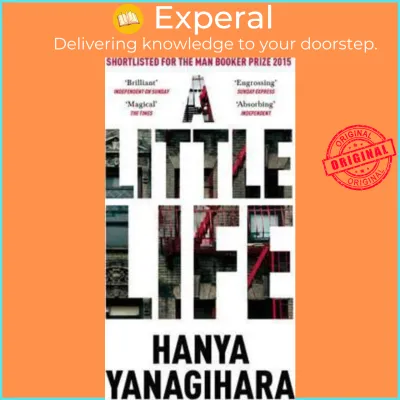
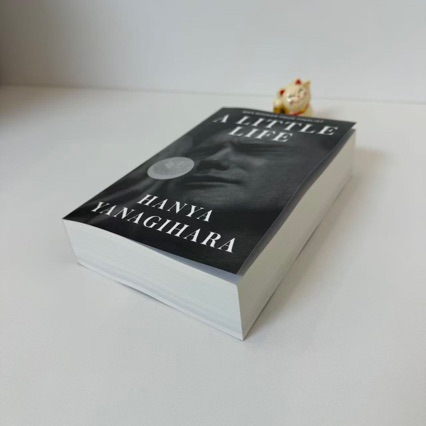
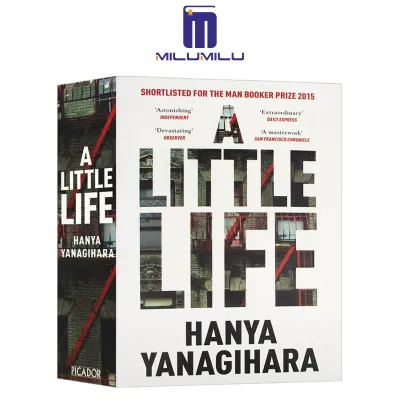





Prices are valid at publication and may change. Please refer to the product page for the latest price.
Another critical element is the portrayal of complex, codependent, and deeply loving friendships. In A Little Life, the relationships between the main characters serve as both a lifeline and a source of intense emotional friction. When searching for similar depth in Singaporean fiction, look for stories where interpersonal dynamics are treated with this level of complexity—where love is not a simple cure-all, but a complicated, sometimes painful bond that requires constant negotiation.
Furthermore, true emotional depth in literary fiction must be distinguished from superficial tragedy. While melodrama relies on sudden, plot-driven misfortunes to elicit tears, high-impact literary fiction focuses on the internal landscape of the characters. The emotional weight comes from witnessing their quiet endurance, their moments of vulnerability, and the gradual erosion or fortification of their spirits over time. This requires a patient narrative pace, allowing the reader to live alongside the characters through their daily routines, quiet reflections, and relational shifts, establishing a deep sense of psychological intimacy.
Mapping Heavy Themes to the Singaporean Context
When translating these heavy emotional themes into the Singaporean context, the sources of trauma and conflict often shift from individualistic struggles to systemic and familial pressures. In Singaporean society, the concepts of filial piety and family expectations carry immense cultural weight. Local literary fiction frequently explores the silent suffering that occurs when personal identity clashes with these traditional structures. The pressure to conform to family desires, maintain public face, and fulfill generational obligations can create a profound sense of isolation and entrapment, mirroring the internal cages inhabited by characters in A Little Life.

Additionally, the hyper-urbanized, high-achieving environment of Singapore introduces unique psychological pressures. The relentless pursuit of academic excellence, material success, and societal conformity can lead to severe alienation. Local authors often use the backdrop of a pristine, highly organized city-state to contrast with the messy, unresolved internal lives of their characters. This juxtaposition highlights the friction between a polished public persona and a fractured private self, a theme that resonates deeply with anyone drawn to narratives of hidden pain.
Marginalized identities and unspoken histories also play a crucial role in local literary depth. Whether exploring the experiences of queer individuals navigating conservative social norms, the struggles of migrant workers, or the lingering scars of historical events like the Japanese Occupation or rapid post-independence redevelopment, Singaporean writers give voice to those on the fringes. These narratives uncover the hidden costs of progress, offering a poignant look at how historical and societal forces shape individual destinies and leave lasting psychological imprints across generations.
Criteria for Selecting Emotionally Profound Local Fiction
Identifying Singaporean novels that possess this level of emotional gravity requires a deliberate selection strategy. Because local literature is a diverse ecosystem spanning multiple genres, readers should establish clear criteria to filter for high-impact literary fiction. One of the most reliable indicators of thematic richness and literary quality is the shortlist of major local accolades, such as the Singapore Literature Prize (SLP). Books nominated in the English Fiction category of the SLP often tackle complex social issues, deep psychological themes, and innovative narrative structures, making them excellent starting points for readers seeking serious literary depth.
Beyond award lists, analyzing publisher descriptions and author interviews can provide valuable clues about a book’s emotional tone. Look for publishers known for championing boundary-pushing literary fiction, such as Ethos Books, Epigram Books, or Landmark Books. When reading blurbs, pay attention to thematic tags that emphasize character interiority, intergenerational trauma, memory, and systemic struggle. Author interviews, often published in local literary journals or cultural sections of national media, can also reveal the psychological research and personal emotional investment that went into crafting the narrative.
Finally, community-driven reviews and local literary blogs offer invaluable peer insights. Platforms like Goodreads, along with dedicated local spaces like the Quarterly Literary Review Singapore (QLRS) or Singapore Unbound, feature detailed discussions on narrative pacing and emotional impact. Look for reviews that discuss the “afterlife” of the book—how long the story stayed with the reader, the complexity of the character relationships, and the emotional stamina required to finish it. These organic discussions are often more revealing than standard marketing materials when it comes to gauging the true emotional weight of a novel.
Sourcing Local Editions and Verifying Format Compatibility
Once you have identified potential titles, sourcing Singaporean literature requires navigating specific distribution channels, particularly if you are looking for independent or niche publications. While major international bookstore chains may carry prominent local titles, independent local bookstores are often the best places to find a comprehensive selection. Retailers like Wardah Books, Epigram Bookshop, or other dedicated local independent sellers curate extensive collections of Singaporean fiction and can offer personalized recommendations based on your reading preferences.
For readers who prefer digital formats, verifying availability and compatibility is a crucial step. Many Singaporean indie publishers distribute their e-books through localized platforms or directly via their own websites. Before purchasing, ensure that the file format (such as EPUB or PDF) is compatible with your specific e-reader device, whether you use a Kobo, Kindle, or tablet. Be aware of potential region locks on global e-book stores, which can sometimes restrict access to local titles depending on your account’s registered location.
Additionally, pay close attention to language editions and translation details. Singapore’s multilingual literary heritage means that some of the most emotionally profound works are originally written in Malay, Tamil, or Chinese. When purchasing translated editions, verify the translator’s credentials and check for publisher notes regarding the translation process. Ensuring you are buying an authorized, complete, and unabridged edition, typically ranging from S$18 to S$30 for paperback editions, guarantees that the subtle emotional nuances, cultural idioms, and narrative pacing intended by the author are fully preserved in the English text.
Managing Emotional Pacing and Reading Boundaries
Engaging with literature that possesses the emotional intensity of A Little Life or its local equivalents demands a conscious approach to mental well-being. Heavy narratives dealing with trauma, grief, and systemic oppression can take a psychological toll on the reader. To read these works sustainably, it is important to establish personal reading boundaries. Consider setting a daily page limit or scheduling specific times of day for reading, avoiding intense chapters right before sleep when the mind is more vulnerable to lingering anxiety or sadness.
It is equally vital to recognize the early signs of emotional fatigue or secondary trauma. If you find yourself experiencing persistent low mood, irritability, or an inability to detach from the characters’ suffering long after closing the book, these are clear indicators that your mind needs a break. Reading should be an empathetic journey, but it should not come at the cost of your own mental health.
Establish clear conditions under which you allow yourself to pause, skim, or completely step away from a book. There is no shame in putting a novel down temporarily or permanently if the content becomes too overwhelming. You might choose to pair a heavy literary novel with a lighter, non-fiction read or a comforting genre book to balance your emotional intake. By treating your reading practice as an active exercise in self-care, you can fully appreciate the profound artistry of heavy Singaporean fiction while protecting your emotional equilibrium.
Frequently Asked Questions (FAQ)
Do Singaporean novels typically match the massive length of 'A Little Life'?
Unlike the sprawling, seven-hundred-page epic structure of A Little Life, many Singaporean literary novels tend to be more concise, often ranging between two hundred and three hundred pages. This difference in length is largely structural and cultural; local writers frequently employ a highly focused, economical prose style that packs immense emotional depth into a shorter narrative frame. Rather than tracing every detail of a character’s life over several decades, local fiction often utilizes sharp, episodic structures, shifting perspectives, or concentrated timelines to explore profound trauma and relationship dynamics. This means you can experience a similar level of emotional intensity and psychological complexity without committing to a massive page count.
How can I find content warnings for older or indie Singaporean novels?
Finding comprehensive content warnings for older or independently published Singaporean novels can sometimes be challenging, as official publisher labels may not always be present on older editions. To navigate this, utilize community-driven databases such as StoryGraph or crowd-sourced lists on Goodreads, where readers frequently catalog specific triggers. Local literary forums, book clubs, and social media groups dedicated to Singaporean literature are also excellent resources for asking direct, spoiler-free questions about a book’s thematic content. Additionally, reading the publisher’s synopsis carefully, checking literary reviews on academic or independent blogs, or previewing the first few chapters via digital samples can help you gauge the overall tone and identify potential triggers before fully committing to the purchase.
Community discussion
Share your experience or ask a question. Comments are reviewed before publication.