
Preparing for the ABRSM Grade 5 Piano exam is a significant milestone for intermediate pianists. At this level, the curriculum demands more than just playing the correct notes; it requires a deep understanding of musical style, phrasing, and historical context. Finding high-quality reference recordings is one of the most effective ways to bridge the gap between reading sheet music and delivering a compelling, expressive performance. Whether you prefer the tactile experience of physical media like CDs and vinyl or the convenience of lossless digital files, selecting the right audio references can transform your practice routine. This guide outlines how to evaluate, source, and integrate professional recordings to master your Grade 5 repertoire.
The Role of Reference Recordings in Grade 5 Preparation
The ABRSM Grade 5 Piano syllabus is carefully structured to test a candidate’s versatility across different musical eras. The repertoire is divided into three distinct lists: List A typically features Baroque and Classical works, List B focuses on Romantic and expressive 19th-century pieces, and List C introduces 20th-century and contemporary compositions. Each of these periods demands a unique stylistic approach. For instance, the crisp articulation and controlled dynamics required for a Bach invention are vastly different from the lush, pedaled textures of a Grieg lyric piece or the syncopated rhythms of a modern jazz-inspired work. Reference recordings play a crucial role in helping students internalize these stylistic differences before they even begin physical practice at the keyboard.
Listening to professional interpretations allows candidates to develop an auditory model of the piece. This model helps in understanding the overall structure, the balance between the hands, and the subtle nuances of phrasing that are difficult to convey through notation alone. For example, hearing how a professional pianist shapes a melodic line, handles a transition, or executes a delicate ornament provides immediate clarity. It also helps students grasp the appropriate tempo, preventing them from practicing a piece too fast or too slow, which is a common pitfall in exam preparation.
Products mentioned in this guide
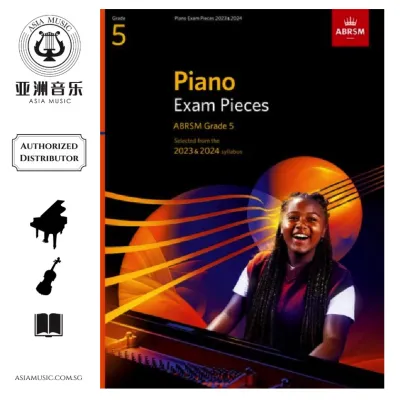
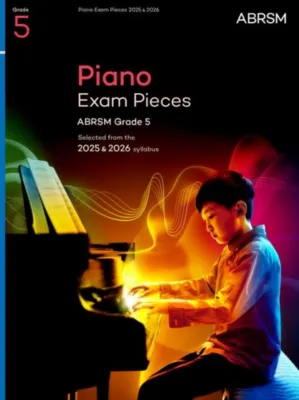

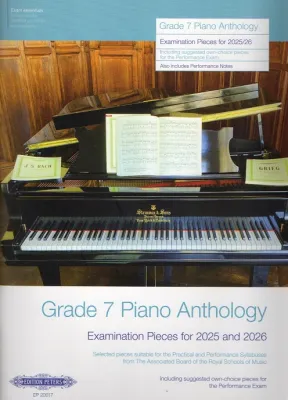
Prices are valid at publication and may change. Please refer to the product page for the latest price.
However, relying solely on audio references has its limitations. A recording should never replace independent score analysis. If a student relies entirely on imitation, their performance can sound mechanical and lack genuine musical conviction. Furthermore, different pianists may make interpretive choices that, while artistic, might not align with the strict technical requirements of the ABRSM exam. Therefore, reference recordings must be used as a guide to inform and inspire your practice, rather than a template to be copied blindly.
How to Evaluate Classical Piano Recordings for Exam Prep
Not all classical recordings are created equal, especially when used for educational purposes. When evaluating audio references for exam preparation, several key factors must be considered to ensure the recording is a suitable learning tool.

First, prioritize audio fidelity. Piano recordings require excellent dynamic range and tonal clarity to be useful for critical listening. Low-quality or highly compressed audio files can mask the subtle details of a performance, such as the pianist’s pedaling technique, the grading of a crescendo, or the voicing of inner parts. High-fidelity formats, such as CDs, high-grade vinyl pressings, or lossless digital files, preserve these essential details, allowing you to hear the full resonance of the instrument.
Second, assess the performance’s adherence to the printed score. While seasoned concert pianists often take creative liberties with tempo and dynamics, exam candidates are expected to follow the score’s indications closely. Look for recordings that respect the composer’s markings regarding articulation, dynamics, and tempo. Urtext-aligned performances are particularly valuable, as they are based on the original historical manuscripts and are less likely to feature editorial additions that conflict with the ABRSM syllabus editions.
Third, consider the pedigree of the performing artist. Recordings by established classical pianists who are celebrated for their interpretations of specific composers offer invaluable insights. For example, listening to a renowned Bach interpreter for a List A classical sonata movement ensures that you are learning from a stylistically accurate source.
Finally, check the tracklist and album structure. Some releases are dedicated compilations that cover the entire ABRSM syllabus for a specific year, featuring every piece from Lists A, B, and C. These are incredibly convenient and highly accurate for exam prep. Alternatively, you can seek out individual albums by legendary pianists playing the specific masterworks from which the syllabus pieces are drawn. While this requires more effort to compile, it exposes the student to world-class artistry and a broader musical context.
Sourcing Authentic Audio for the ABRSM Syllabus
Finding reliable and authentic recordings in Singapore requires knowing where to look, both online and in physical spaces.
For official resources, ABRSM produces dedicated audio companions for each syllabus cycle. These recordings feature professional performances of all the pieces in the exam books and are available as digital downloads or bundled with the sheet music. These official releases are the most direct reference point for exam candidates, as they demonstrate the exact tempos and interpretations expected by examiners.
Beyond official releases, exploring the catalogs of reputable classical music labels is highly recommended. Labels such as Deutsche Grammophon, Decca, Naxos, and Hyperion have extensive libraries featuring world-class pianists. Naxos, in particular, is known for its comprehensive catalog of educational piano music and standard classical repertoire, making it an excellent resource for finding high-quality, affordable recordings of syllabus pieces.
For those who appreciate physical media, Singapore offers unique avenues for sourcing CDs and vinyl records. Specialty audio and music shops, particularly those located in the Adelphi complex or around the Esplanade area, carry imported classical titles that are difficult to find elsewhere. Additionally, the library@esplanade is an invaluable local resource, housing a vast collection of classical music CDs, vinyl records, and reference scores that students can access for study.
When sourcing recordings, always cross-reference the track details with your official syllabus document. Verify the composer’s name, the exact title of the piece, the opus or catalog number (such as BWV, Hob, or Op.), and the specific movement required. This step is crucial, as many classical pieces have similar titles, and practicing the wrong movement or a different arrangement can lead to significant setbacks.
Choosing the Right Media Format for Critical Listening
The format you choose for your reference recordings can significantly impact your listening experience and study habits. CDs, vinyl, and digital files each offer distinct advantages for exam preparation.
Compact Discs (CDs) remain a gold standard for critical listening. They offer uncompressed, 16-bit/44.1kHz audio quality, which provides a clean, accurate representation of the piano’s tone. CDs are also highly practical; they do not suffer from the wear and tear of vinyl, and they allow you to skip directly to specific tracks instantly, making it easy to repeat a particular section during a practice session.
Vinyl records offer a different, highly immersive listening experience. The analog warmth and spaciousness of a well-pressed vinyl record can make the piano sound incredibly lifelike, helping you appreciate the natural resonance of the instrument. The physical ritual of playing a record also encourages focused, active listening, free from the digital distractions of smartphones and notifications. However, vinyl requires a quality turntable setup and regular maintenance to prevent surface noise, and navigating to a specific passage within a track is more challenging than on digital formats.
Lossless digital files (such as FLAC or ALAC) combine the high audio quality of CDs with the convenience of modern technology. They allow you to build custom playlists for your List A, B, and C pieces, which you can easily access on your computer or high-resolution portable player.
To get the most out of your reference recordings, your playback equipment is just as important as the format. In Singapore’s typical residential environments, such as apartments or condominiums, using a high-quality pair of open-back headphones is often the most practical solution. Open-back headphones provide a wide, natural soundstage that mimics the experience of listening to a piano in a concert hall, without disturbing others. If you prefer speakers, a pair of active studio monitors positioned at ear level can deliver an uncolored, accurate sound.
Budgeting for these resources is another consideration. While digital streaming is convenient, purchasing physical CDs or imported vinyl records in Singapore can range from S$20 to S$60 per album. Viewing these purchases as essential educational tools—much like your sheet music, metronome, or lesson fees—helps justify the investment in your musical development.
Integrating Reference Audio into Your Practice Routine
Simply playing a reference recording in the background while you do other tasks is of limited value. To truly benefit from these resources, you must integrate them actively into your daily practice routine.
Start with active listening sessions. Sit down in a quiet space with your sheet music, a pencil, and your recording. As you listen, follow the score closely. Mark down specific details that stand out in the performance. Note where the pianist takes a breath, how they balance the melody against the accompaniment, where they apply subtle rubato, and how they execute complex rhythmic passages. This process of active score marking helps connect what you hear to what you see on the page.
It is highly beneficial to compare multiple interpretations of the same piece. Listen to how two different pianists approach the same List B Romantic piece. One might choose a slightly faster tempo with dramatic dynamic contrasts, while another might opt for a more lyrical, introspective approach. Comparing these differences teaches you that music is not rigid; there is room for personal expression within the boundaries of the style. This understanding is key to developing your own musical voice, which is highly valued by ABRSM examiners.
Be cautious to avoid mimicking idiosyncratic habits. Professional pianists sometimes introduce extreme rubato, unusual phrasing, or even minor textual alterations for artistic effect. While these choices may work in a concert hall, they can be risky in an exam setting where rhythmic stability and score fidelity are heavily scrutinized. Always cross-reference what you hear with the printed score and your teacher’s guidance.
Finalize your study by planning your transition from guided listening to independent playing. In the early stages of learning a piece, you might listen to the reference recording daily to help internalize the notes and rhythm. As you become more confident, reduce your listening frequency. Eventually, you should stop listening to the recording altogether, allowing your own interpretation to take center stage. This transition ensures that your final performance is a genuine reflection of your own musicality, rather than a second-hand imitation.
Frequently Asked Questions (FAQ)
Can I use reference recordings during the actual ABRSM exam?
No, reference recordings and playback devices are strictly prohibited in the exam room. Candidates must perform their pieces live from memory or using clean, authorized sheet music, depending on the exam format. The exam evaluates your live performance, technical control, and musical interpretation on the day itself.
Are there official ABRSM audio companions for every syllabus cycle?
Yes, ABRSM releases official audio recordings for each new piano syllabus cycle. These recordings are specifically produced to accompany the official exam books and are available through authorized digital platforms or as physical media bundles. They serve as an excellent baseline reference for candidates and teachers alike.
How do I verify if a recording matches the required syllabus edition?
To verify a recording, cross-reference the album’s tracklist and liner notes with the official ABRSM syllabus document. Check that the composer, title, opus number, catalog number (such as BWV or K.), and the specific movement match exactly. If the syllabus specifies a particular edition, ensure the recording does not feature a significantly altered arrangement.
Community discussion
Share your experience or ask a question. Comments are reviewed before publication.