
Shopping for self-improvement and non-fiction books at Mustafa Centre in Little India, Singapore, is an experience unlike any other. This massive, multi-story retail landmark is famous for its sprawling layout and incredibly diverse inventory, which includes a dedicated book department. For readers looking to enhance their personal development, business acumen, or financial literacy, the shelves here offer a unique treasure hunt. Finding the right titles requires a blend of patience, systematic navigation, and careful physical inspection.
Unlike conventional boutique bookstores with minimalist displays, this department stores a vast, eclectic mix of global publications, regional prints, and imported remaindered stock. This means you can discover rare gems and classic motivational texts at highly competitive prices, provided you know how to navigate the aisles. By understanding the store’s layout, aligning your purchases with your personal growth goals, and verifying the quality of each volume, you can build an excellent personal library without overspending.
Navigating the Book Department for Non-Fiction Titles
To find the non-fiction and self-improvement sections, you must first navigate the bustling, multi-winged layout of Mustafa Centre. The book department is typically located on the upper levels, situated alongside stationery, office supplies, and educational materials. Because the store is divided into different buildings connected by internal bridges, it is helpful to look for directional directory boards near the escalators or ask security personnel at the entrance for the quickest route to the stationery and book section.
Products mentioned in this guide
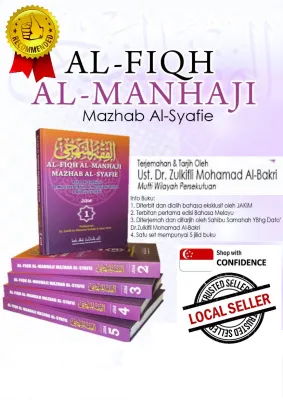
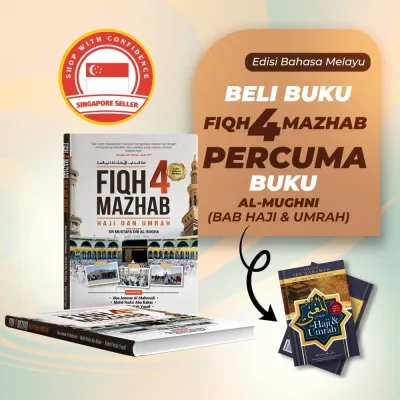
![[SG SELLER] The Clear Quran (Paperback) NORMAL & GIFT EDITION By Dr. Mustafa Khattab](https://img.lazcdn.com/g/p/3063d5df3f68237fc968e227cd577e14.jpg_400x400q80.jpg_.webp)



Prices are valid at publication and may change. Please refer to the product page for the latest price.
Once you arrive at the book department, you will notice that the shelving strategy maximizes vertical space. Books are packed tightly from floor to ceiling, with narrow aisles that require slow, deliberate browsing. Self-improvement, motivational, and business titles are generally grouped together, but they may spill over into general non-fiction or reference sections. It is common to find books stacked horizontally on top of vertical rows, or even double-rowed, where some titles are hidden directly behind the front-facing books.
To conduct an efficient search, scan the shelves systematically from top to bottom, moving left to right along each shelf. Pay close attention to the spine designs, as books from the same publisher or series are often grouped together. If you are searching for a specific author or a niche topic, do not hesitate to look behind the front row of books if the shelf is deep, as older or less common titles are frequently tucked away to save space.
If you find yourself overwhelmed or unable to locate a specific title, seek out the floor staff assigned to the stationery and book department. Because these staff members manage an incredibly high volume of inventory across multiple categories, they may not have every title memorized. To make their search easier, have the exact book title, author name, and a clear image of the book cover ready on your mobile device. Providing the ISBN (International Standard Book Number) can also help them check their inventory system or direct you to the correct shelf quickly.
Aligning Book Choices With Your Personal Growth Goals
The sheer volume of books available can easily lead to decision fatigue. To make the most of your shopping trip, it is essential to clarify your personal development objectives before you begin browsing. Self-improvement is a broad category, and categorizing your immediate needs will help you filter the inventory effectively.

If your primary goal is career advancement or professional skill development, focus your search on leadership, public speaking, and negotiation texts. For those looking to optimize their daily routines, look for productivity guides, habit-formation manuals, and time-management books. If you want to build long-term security, seek out financial literacy books that cover budgeting, investment mindsets, and wealth accumulation. For personal well-being, prioritize emotional intelligence, mindfulness, and communication guides.
Another critical decision is choosing between foundational classics and contemporary, research-backed non-fiction. Foundational classics, such as decades-old motivational and leadership books, offer timeless principles that have guided readers for generations. These books are excellent for establishing a strong philosophical mindset. On the other hand, contemporary non-fiction often integrates modern psychological research, behavioral economics, and real-world case studies from modern industries. If you prefer data-driven insights and scientific explanations, contemporary titles will align better with your learning style.
Finally, consider the format and depth of the book. Some self-help books are structured as highly practical, quick-read guides featuring bullet points, worksheets, and actionable daily exercises. These are ideal if you want immediate, step-by-step implementation. Conversely, comprehensive analytical texts offer deep dives into human behavior, history, or philosophy, requiring a more significant time commitment but providing a more profound understanding of the subject matter. Matching the book’s structure to your current reading habits ensures you will actually finish and apply the material.
Verifying Editions, Languages, and Physical Condition
Because Mustafa Centre sources its inventory from a wide variety of global distributors, publishers, and regional markets, the physical books on display can vary significantly in origin and production quality. Thoroughly inspecting each book before heading to the cashier is a crucial step to ensure you are purchasing a high-quality, up-to-date copy.
Start by opening the book to the copyright page to verify the publication details. Check the publisher, publication year, and edition number. This step is particularly important for business, finance, and technology-related non-fiction, where outdated information can be counterproductive or irrelevant to current market conditions. Ensure you are buying the latest revised edition rather than an older print run, unless you specifically prefer the original text.
Next, verify the language and translation details. While the vast majority of self-improvement books in this section are in English, some may be regional editions printed for specific international markets, or translated versions of foreign-language works. Check that the spelling conventions (such as British versus American English) align with your preferences, and read a paragraph or two to ensure the translation flows naturally and is free of awkward phrasing.
Physical inspection is equally vital, especially since some books may have been on the shelves for an extended period or imported as remaindered stock (unsold copies returned to publishers). Examine the spine for structural integrity, ensuring the glue is holding the pages securely and there are no deep cracks. Check the page edges for yellowing, dust spots, or moisture damage, which can occur in humid climates. Flip through the pages to confirm there are no printing defects, such as blank pages, blurred text, or misaligned margins that cut off the words.
To help you distinguish between the different types of book stock you might encounter on the shelves, refer to the comparison checklist below:
| Feature | Standard Retail Copies | Discounted or Imported Copies |
|---|---|---|
| Paper Quality | Bright, consistent weight, acid-free paper | May use thinner, cream-colored, or recycled paper |
| Binding & Spine | Tight, glued or sewn binding with minimal creasing | May show minor shelf wear, soft spines, or slight misalignment |
| Content & Edition | Standard international release, latest edition | Could be a regional edition, older print, or remaindered stock |
| Cover Finish | High-gloss or matte with standard embossing | May lack premium finishes or have minor scuffs/stickers |
| Price Point | Standard retail pricing | Often heavily discounted or priced below standard retail |
Evaluating Pricing and In-Store Book Deals
One of the main draws of shopping for books at Mustafa Centre is the potential for excellent pricing. However, understanding how the store prices its inventory will help you evaluate the true value of your finds.
Always compare the store’s price tag, which is clearly marked in S$, against the printed manufacturer’s suggested retail price (MSRP) usually found on the back cover or inside the dust jacket. Because the store imports directly from various regions, you may find that regional paperback editions are priced significantly lower than the standard hardback editions found in other retail outlets. This price difference represents an excellent opportunity to acquire quality reading material at a fraction of the standard cost.
Keep an eye out for clearance sections, end-of-aisle displays, or bundled promotions within the book department. Overstocked self-improvement titles, older editions, or books with minor cosmetic wear are often placed in designated discount bins. These sections are worth browsing carefully, as you can frequently find highly regarded personal development classics at steep discounts.
When you proceed to make your purchase, pay close attention to the checkout process. The cashier will scan the barcode on the book, and the price will be printed on your receipt. It is highly recommended to double-check the scanned price against the shelf price or the sticker price on the book before leaving the cashier counter. If you notice a discrepancy, point it out to the cashier immediately to have it resolved.
Finally, familiarize yourself with the store’s return and exchange policies. Physical books, particularly those purchased from discount or clearance sections, are generally sold on an “as-is” basis. However, if you discover a major manufacturing defect—such as missing chapters, upside-down pages, or severe binding failure—after leaving the store, you can return to the customer service counter. Bring your original purchase receipt and the book as soon as possible to inquire about an exchange for a correct copy.
Frequently Asked Questions (FAQ)
Does the store carry the latest self-improvement bestsellers?
Mustafa Centre maintains a vast and highly diverse inventory, but its stock of brand-new, highly publicized global bestsellers can be inconsistent compared to specialized boutique bookstores. You are highly likely to find established classics, steady sellers, and regional editions of popular personal development books. If you are searching for a book released in the last few weeks, it is best to check availability or expect that it may take some time to arrive on the shelves.
Can I return a book if I notice a printing defect after leaving the store?
Yes, if you identify a genuine manufacturing defect—such as missing pages, incorrect binding, or illegible print—you can typically request an exchange. You must present the original purchase receipt at the customer service counter. It is highly recommended to inspect the book thoroughly before purchasing to avoid the inconvenience of returning to the store, as exchange policies on printed media can be strict.
Community discussion
Share your experience or ask a question. Comments are reviewed before publication.