
Selecting your first electric guitar is a major milestone, and choosing a Fender Stratocaster connects you to decades of musical history. For beginners in Singapore, navigating the extensive Stratocaster lineup requires balancing your budget, physical comfort, and long-term musical goals. The ideal starter model is one that stays in tune, feels comfortable in your hands, and does not require constant adjustment.
For most new players, the Fender Player Series represents the standard entry point, offering modern playability and reliable construction. If you are working with a tighter budget, high-end Squier models provide an excellent alternative that frees up funds for a quality amplifier. By understanding how different series vary in neck shape, electronics, and hardware, you can confidently choose an instrument that supports your learning journey.
Understanding the Fender Stratocaster Lineup
To make an informed decision, you must first understand how Fender categorizes its instruments across different manufacturing tiers and price points. The Fender brand itself represents the premium tier of the lineup, with instruments primarily manufactured in Mexico and the United States. These guitars feature high-grade tonewoods, refined electronics, and superior hardware designed to last a lifetime of playing.
Products mentioned in this guide
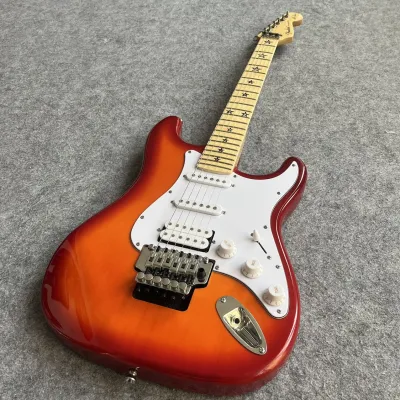
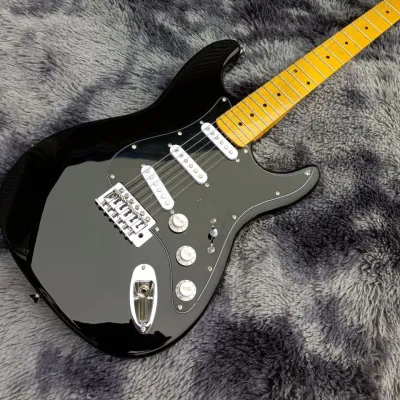
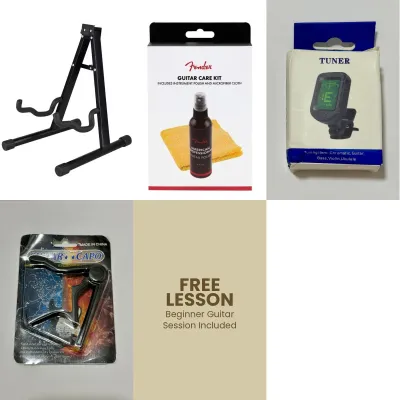
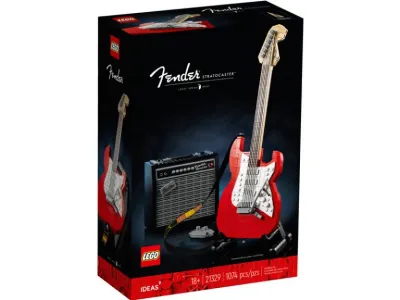
![[READY STOCKS] LEGO Ideas 21329 Fender Stratocaster](https://img.lazcdn.com/g/p/774423f49dd017f5bd38929e755d84e8.jpg_400x400q80.jpg_.webp)
Prices are valid at publication and may change. Please refer to the product page for the latest price.
Directly below the core Fender lines sits Squier, Fender’s official subsidiary brand. Squier guitars are designed by Fender but manufactured in Asian facilities, such as those in Indonesia and China, to keep production costs accessible. This separation allows Squier to offer classic Stratocaster designs at a fraction of the price of a standard Fender model, making them highly popular among absolute beginners.
Within the core Fender brand, series names generally indicate the manufacturing origin and the specific design philosophy of the instrument. For example, the Player and Vintera series are crafted in Mexico, offering a balance of quality and value. The Performer and Professional series are manufactured in the United States, featuring premium hardware upgrades and meticulous factory setups that command a higher price.
When shopping in Singapore, it is important to note that specific model availability, finishes, and colorways depend heavily on local authorized distributor stock. While online catalogs display a vast array of options, visiting a physical store allows you to see what is currently on the racks. This hands-on approach ensures you do not fall in love with a specific colorway that may not be readily available in the local market.
Key Decision Factors for Beginner Guitarists
Before comparing specific models, you should familiarize yourself with the physical and electronic features that directly impact your comfort and progress. The neck profile, or the shape of the back of the neck, is the most critical factor for hand comfort. Modern “C” shapes are slim and universally comfortable for most hand sizes, making chord transitions easier for beginners. In contrast, vintage “V” or “U” shapes are thicker and may feel bulky if you have smaller hands.

Fretboard radius, which refers to the curvature of the fretboard surface, also plays a significant role in playability. A modern 9.5-inch radius is relatively flat, which facilitates easy string bending and comfortable chord gripping. Vintage models often feature a rounder 7.25-inch radius, which some players find comfortable for rhythm playing but more challenging for lead techniques. Testing both styles in a local showroom will help you identify which curvature feels most natural.
The pickup configuration determines the tonal versatility of your Stratocaster. The classic configuration is SSS (three single-coil pickups), which delivers the bright, sparkling chime that made the Stratocaster famous. However, single-coils are prone to 60-cycle hum, especially under high-gain settings. An HSS configuration features a humbucker pickup in the bridge position, which provides a thicker, warmer tone and eliminates hum, making it highly versatile for rock and metal genres.
Another hardware consideration is the bridge type. Most Stratocasters feature a synchronized tremolo bridge, which allows you to use a whammy bar to bend pitches. While fun to use, tremolo systems can complicate tuning stability for beginners who are still learning how to tune their instrument. If tuning stability is your primary concern, you can have a technician “deck” or block the tremolo bridge to make it function like a stable hardtail bridge.
Finally, your total budget must account for more than just the guitar itself. An electric guitar requires an amplifier to be heard, along with an instrument cable, an electronic tuner, a strap, picks, and a protective gig bag or hard case. When planning your purchase in Singapore, ensure you allocate a portion of your funds to these essential accessories rather than spending your entire budget on the instrument alone.
Evaluating Fender Stratocaster Series for Beginners
Evaluating the Fender Stratocaster lineup requires looking past marketing labels and focusing on how each series aligns with your physical comfort and budget. There is no single universal winner that suits every beginner, as individual preferences for neck feel and tone vary widely. The best approach is to compare standard features and playability across the key series available in local stores.
Before making a final commitment, you should always test the weight, neck finish, and electronics of the available models in person. A guitar that looks perfect online might feel unexpectedly heavy or have a neck finish that feels sticky to your touch. Visiting a local showroom allows you to hold the instruments and make a decision based on real-world feel.
The Player Series: Assessing the Standard Entry Point
The Fender Player Series is widely regarded as the benchmark for modern, high-quality entry-level Fender guitars. Crafted in Mexico, this series replaced the long-running Standard Series and introduced several modern upgrades that benefit new players. It features a modern “C” neck profile with a satin finish on the back, which prevents your hand from sticking during long practice sessions in warm weather.
Equipped with a 9.5-inch fretboard radius and 22 medium jumbo frets, the Player Stratocaster offers a highly forgiving playing surface for learning chords and scales. It is available in both classic SSS and versatile HSS pickup configurations, allowing you to choose the tonal profile that matches your favorite music genres. The standard two-point synchronized tremolo bridge offers smooth operation, though beginners should verify that the guitar is properly set up to maintain tuning stability during initial practice.
The Performer Series: Weighing Upgraded Hardware
If you have a larger budget and want an instrument made in the United States, the Fender American Performer Series is the next logical step. This series introduces upgraded hardware, such as Yosemite single-coil pickups and the Greasebucket tone circuit. The Greasebucket circuit is particularly useful for beginners because it allows you to roll off high frequencies without adding muddy bass, keeping your tone clear and articulate.
The Performer Series also features classic gear tuners that offer excellent tuning stability, reducing the time you spend retuning between songs. While these premium features are highly desirable, you must assess whether they are necessary for your current skill level. For many absolute beginners, the additional cost of an American-made model may be better spent on a higher-quality practice amplifier, which has a more immediate impact on your overall sound.
The Vintera Series: Checking Vintage Specifications
For players drawn to the classic sounds and aesthetics of the 1950s, ’60s, or ’70s, the Fender Vintera Series offers period-correct specifications. These guitars feature vintage-style pickups wound to replicate historical tones, vintage hardware, and classic colorways. However, the Vintera series also incorporates vintage neck profiles, which are often significantly thicker or chunkier than modern necks.
Before choosing a Vintera model, it is crucial to physically test these vintage neck shapes in a store. A thick ’50s soft “V” or a round ’60s “C” neck can feel cumbersome for a beginner who is still developing hand strength and finger independence. Additionally, the vintage 7.25-inch fretboard radius can cause bent notes to choke out if the guitar is not set up with precision, making it a more demanding option for a first instrument.
Squier by Fender: When to Consider the Alternative
For many beginners, a top-tier Squier model, such as the Classic Vibe or Contemporary series, is a more practical starting point than an entry-level Fender. The Squier Classic Vibe series, in particular, is highly praised for its exceptional build quality, vintage aesthetics, and comfortable slim “C” neck profiles. These guitars offer a remarkably authentic Stratocaster experience at a fraction of the cost of a Mexican-made Fender.
Choosing a high-end Squier allows you to allocate your saved budget toward a superior practice amplifier or professional setup services. A well-made Squier that has been professionally set up will often play more smoothly and stay in tune better than an expensive Fender straight out of the box. This makes Squier an incredibly smart choice for beginners who want to maximize their value and ensure a frustrating-free learning experience.
Buying and Maintaining Your Stratocaster in Singapore
Purchasing a guitar in Singapore requires careful planning to ensure you get an authentic instrument and protect it from the local climate. Always buy from authorized local music retailers or official brand stores to avoid counterfeit products and secure a valid manufacturer’s warranty. Authorized dealers also provide peace of mind regarding the instrument’s origin and the quality of its initial storage conditions.
When inspecting a guitar in-store, perform a few basic checks before finalizing your purchase. Run your fingers along the edges of the neck to check for “fret sprout,” where the metal fret ends protrude and feel sharp due to wood shrinkage. Inspect the neck relief to ensure the neck is straight, and plug the guitar into an amplifier to verify that the pickup selector switch and volume knobs operate smoothly without any crackling or static noise.
Singapore’s tropical climate presents unique challenges for wooden musical instruments, as the high relative humidity can cause wood to swell and warp. To protect your Stratocaster, avoid leaving it exposed on a stand in a room without climate control. Storing your guitar in a high-quality gig bag or hard case with silica gel packs or specialized humidity-control packets is highly recommended. If you practice in an air-conditioned room, be mindful of rapid temperature and humidity fluctuations, which can affect neck stability and tuning.
Finally, plan to take your new guitar to a professional technician for a setup shortly after purchase. A professional setup involves adjusting the truss rod, setting the bridge saddle height, and fine-tuning the intonation. This process customizes the guitar’s playability to your preferred string gauge and playing style, lowering the action so that pressing down on the strings requires less effort, which is essential for preventing finger fatigue during early practice sessions.
Frequently Asked Questions (FAQ)
Do I need to buy a specific amplifier for a Fender Stratocaster?
No, the Fender Stratocaster is a highly versatile instrument that is compatible with any standard guitar amplifier. You do not need a proprietary Fender amplifier to get a great sound. When choosing an amplifier for home practice in Singapore, look for models with a low wattage rating (typically 10 to 40 watts) to suit apartment living. Features like a dedicated headphone output for silent practice and built-in digital effects are highly beneficial for practicing quietly without disturbing your neighbors.
Is a Squier Stratocaster better for an absolute beginner than a Fender?
A Squier Stratocaster is often the better choice for an absolute beginner because of its accessibility and excellent value. While a Fender guitar holds its resale value better over the long term and features higher-grade hardware, the initial financial commitment can be high. Starting with a Squier allows you to confirm your commitment to the instrument without a large upfront investment. It is highly recommended to try both brands side-by-side in a local store to judge if the difference in neck feel and sound justifies the price jump for your needs.

Community discussion
Share your experience or ask a question. Comments are reviewed before publication.