
The cajon has evolved from a traditional street instrument into a cornerstone of modern acoustic percussion, offering a portable drum kit experience in a single wooden box. Among the various brands available to percussionists, Gecko has established a prominent presence by producing instruments that cater to a wide range of players. However, finding the right Gecko cajon is not simply a matter of picking the most popular model or relying on attractive marketing names. To make an investment that truly supports your musical journey, you must align your personal skill level, primary playing environments, and tonal preferences with the physical and technical specifications of the instrument. This guide provides a structured framework to help you evaluate these critical factors, ensuring you select a cajon that delivers the exact response, comfort, and durability you require.
Defining Your Playing Context and Technical Needs
Before diving into specific materials or internal mechanisms, you must clearly define where and how you plan to play your instrument. A cajon that excels in a quiet bedroom practice environment may not have the acoustic projection needed to cut through a live acoustic band, while a highly sensitive recording cajon might require more delicate handling than a rugged travel instrument. For beginners, the primary focus is often consistent, forgiving playability during daily practice routines. If you intend to perform at live acoustic gigs, such as outdoor busking or small venue sets in Singapore, your priorities will shift toward projection and clear frequency separation. For controlled studio recording environments, the priority becomes capturing subtle dynamic nuances without unwanted resonance or buzz.
Physical ergonomics and portability are equally critical factors that directly impact your playing comfort and long-term physical health. Because the player sits directly on top of the cajon, the instrument’s height and seating surface must match your physical stature and posture. A cajon that is too tall can cause strain in your shoulders and lower back, while one that is too short may force an uncomfortable bend in your spine. Additionally, if you plan to transport your instrument frequently across public transit or to various rehearsal spaces, you must assess the physical weight and overall dimensions of the cabinet. A compact or travel-friendly design might sacrifice a small amount of deep bass resonance, but the trade-off in portability and physical comfort during transport can be highly beneficial.
Products mentioned in this guide
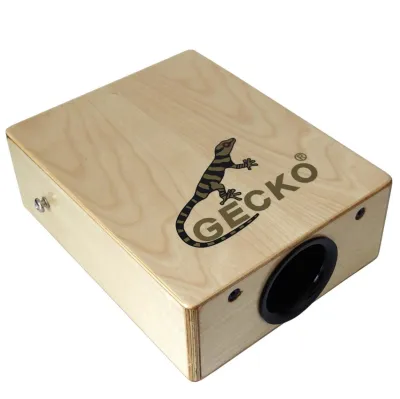
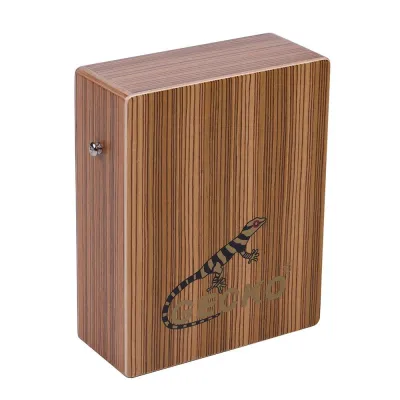
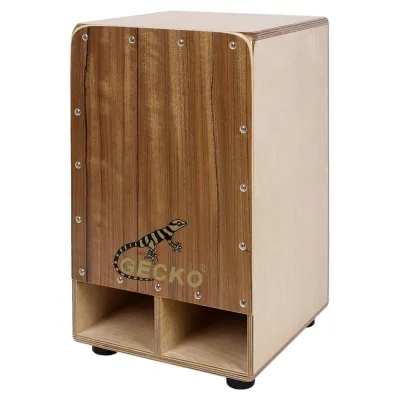
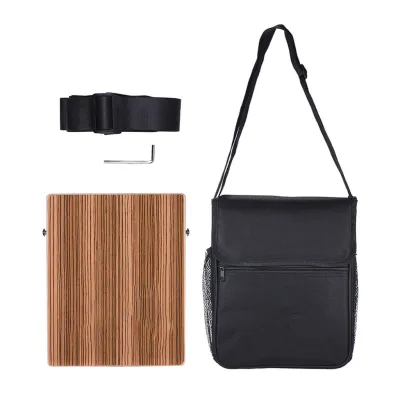

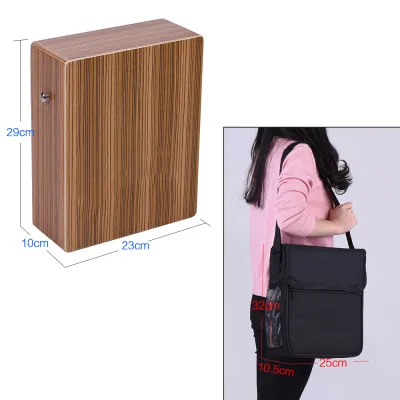
Prices are valid at publication and may change. Please refer to the product page for the latest price.
Your musical style also dictates the specific tonal profile you should look for in a cajon. Different genres require different balances between the deep, thudding bass tone produced in the center of the front plate and the sharp, high-pitched slap tone produced near the top corners. For example, if you primarily play acoustic pop, folk, or worship music, you will likely prefer a balanced sound with a distinct separation between the bass and snare tones, mimicking a standard kick-and-snare drum kit. Conversely, if your style leans toward traditional flamenco, Latin jazz, or intricate fingerstyle percussion, you may require a highly sensitive instrument that responds to the lightest touch and offers a complex, sizzling snare articulation across the entire surface of the front plate.
Key Specifications to Compare Across the Gecko Lineup
To make an informed decision, you must understand the technical components and materials that define a cajon’s acoustic signature. The front plate, also known as the tapa, is the most critical component of the instrument, as it serves as the primary striking surface and soundboard. Manufacturers use various wood composites and veneers for the tapa, including birch, maple, walnut, and engineered laminates. Birch tapas are highly regarded for their balanced frequency response, offering bright, crisp highs and a punchy, defined low end. Maple tends to produce a warmer, more mid-range focused tone, while denser exotic woods can offer enhanced projection and sensitivity. The thickness of the tapa also plays a vital role; a thinner front plate is highly sensitive to light finger strikes but may lack the structural headroom to handle heavy, aggressive hand playing without distorting the tone.

The internal snare system is another major differentiator that determines the character of the high-frequency “slap” sound. Cajons generally employ either a snare wire system or a guitar string system. Snare systems utilize cut snare drum wires pressed against the back of the tapa, producing a sharp, modern, and buzzy snare sound that is highly reminiscent of a standard snare drum. This system is highly forgiving for beginners because it easily produces a satisfying crack. String systems, on the other hand, use adjustable guitar strings stretched vertically behind the front plate. This design offers a more traditional, woody, and nuanced sizzle with less overall buzz when playing bass tones. String systems often allow for precise tension adjustments, enabling experienced players to fine-tune the response, though they may require more careful maintenance and occasional tuning over time.
The dimensions of the cabinet and its internal volume directly dictate the instrument’s bass projection and overall acoustic footprint. Standard full-sized cajons typically measure approximately 30 by 30 by 48 centimeters, providing a large internal air chamber that naturally amplifies low-frequency sound waves to produce a deep, resonant bass. Smaller “junior” or travel-sized models have a reduced internal volume, which naturally shifts the overall tonal balance toward the mid and high frequencies. While these compact models are exceptionally portable and comfortable for younger players or those with smaller frames, they will not deliver the same physical bass punch as a full-sized cabinet.
Finally, you must evaluate the hardware and structural design of the cabinet itself. The main body of the cajon is typically constructed from multi-ply birch or medium-density fiberboard (MDF), which provides the structural rigidity necessary to support the player’s weight. When comparing models, look for reinforced internal corners and robust joints that can withstand the physical stress of regular play and transport. The base of the instrument should feature high-quality, anti-slip rubber feet; these not only prevent the cajon from sliding on smooth floors during a performance but also acoustically isolate the cabinet from the ground, preventing unwanted bass energy from transferring into the stage or floor.
Aligning Cajon Features with Your Performance Goals
Once you understand the technical specifications, you can apply a conditional framework to match these features with your specific skill level and performance goals. For beginners and casual hobbyists practicing at home, the primary objective is to find a reliable, durable, and comfortable instrument that makes learning enjoyable. In this scenario, prioritizing a standard full-sized cajon with a robust birch or MDF body and a fixed snare wire system is highly recommended. This combination offers a classic, easily achievable separation between bass and snare tones without requiring complex tuning or maintenance. Additionally, beginners should look for models that feature rounded corners on the playing surface, which significantly reduces hand fatigue and prevents bruising during long practice sessions.
For live acoustic performers gigging in Singapore’s diverse venues, the focus shifts to acoustic projection and feedback resistance. When performing live, you will often need to amplify your cajon using an external microphone placed near the rear sound port. To ensure a clean signal, look for a cajon with a highly rigid cabinet body that projects sound forward through the tapa rather than vibrating excessively through the side walls. Clear frequency separation is crucial here; a muddy mid-range can cause feedback issues when amplified. Selecting a model with a slightly thicker tapa and a well-defined bass port design will help project a clean, punchy low end that sound engineers can easily mix without encountering muddy resonance.
For studio recording artists and advanced percussionists, the priority is high sensitivity and tonal control. In a controlled studio environment, every subtle finger roll and ghost note must be captured with excellent clarity. For these applications, an adjustable string system is often preferred over fixed snare wires, as it allows you to fine-tune the exact amount of sizzle and eliminate unwanted sympathetic vibrations when other instruments are played nearby. Advanced players should also seek out premium wood tapas, such as walnut or specialized exotic veneers, which offer a wider dynamic range and a more complex harmonic profile.
To ensure you are getting the right features, always verify these traits by cross-referencing the manufacturer’s official specification sheets and product labels rather than relying on vague series names or marketing descriptions. Do not assume that a model labeled “professional” automatically features an adjustable string system or a premium wood tapa. Carefully read the listed materials, dimensions, and internal mechanism types on authorized retail listings to confirm that the physical build matches your specific performance requirements.
Pre-Purchase Verification and Condition Checks
Before finalizing your purchase, whether online or at a local music retailer in Singapore, performing a thorough pre-purchase verification is essential to protect your investment. Start by cross-referencing the official manufacturer specifications to confirm the exact wood types, snare mechanisms, and dimensions of the specific model you are purchasing. When planning your budget in S$, verify what accessories are included; if you are buying a bundle that includes items such as a gig bag, a tuning key, or an integrated pickup system, verify that these items are genuine, compatible, and explicitly included in the product description. This prevents unexpected post-purchase expenses, as high-quality padded gig bags are essential for protecting the wood from Singapore’s high humidity and temperature fluctuations during transport.
When your cajon arrives, or before you carry it out of a physical store, conduct a meticulous physical inspection. Examine the entire cabinet for any signs of structural damage, such as hairline cracks in the wood, loose joints, or peeling veneers. Pay close attention to the screws securing the front plate; they should be flush with the wood surface to prevent scratching your hands while playing. Gently tap different areas of the playing surface to ensure the tapa is seated correctly against the frame and that there are no dead spots or unusual rattling sounds that could indicate a loose internal component or a warped plate.
Finally, familiarize yourself with the retailer’s return policies, warranty terms, and the availability of authorized service centers. Musical instruments made of wood are sensitive to environmental factors, and having a clear, local warranty ensures that you are covered in the rare event of a manufacturing defect or structural failure. Ensure that the seller is an authorized distributor of Gecko products to guarantee that your warranty is valid and that you will have access to genuine replacement parts, such as replacement strings or snare wires, should you need them in the future.
Frequently Asked Questions (FAQ)
Can I install a pickup system in a standard Gecko cajon?
Yes, you can install an aftermarket pickup system in a standard acoustic Gecko cajon, but you must perform several compatibility checks beforehand. First, inspect the internal space of the cabinet through the rear sound port to ensure there is sufficient clearance and flat surface area to mount the pickup’s microphone or piezoelectric sensors. Some pickup systems require drilling holes through the cabinet wall to mount output jacks or control preamps; before undertaking any such modifications, consult the manufacturer’s guidelines, as drilling into the wood will permanently alter the instrument’s acoustic resonance and will likely void your warranty. If you prefer to avoid permanent modifications, consider using temporary clip-on instrument microphones or external boundary microphones placed inside the sound port.
How do I adjust the snare tension on my cajon?
Adjusting the snare tension allows you to customize the responsiveness and decay of your cajon’s high-frequency slap sound. First, identify the specific tension mechanism your model uses, which is typically either an external tuning dial or internal hex screws located at the bottom of the cabinet. Using the appropriate tool—usually an Allen key supplied with the instrument—make very small, incremental adjustments of no more than a quarter-turn at a time. After each adjustment, tap the front plate to test the acoustic response. Avoid over-tightening the strings or wires, as this can choke the natural resonance of the wood, cause the strings to snap, or permanently warp the front plate.
Community discussion
Share your experience or ask a question. Comments are reviewed before publication.