
To find the best mini ukulele for a beginner in Singapore, you must look beyond aesthetic appeal and focus on verifiable structural specifications, reliable hardware, and climate-resilient materials. A true musical instrument must hold its tuning, offer comfortable string action, and produce clear, accurate intonation across the fretboard. Because the market is flooded with low-cost novelty items, making an informed purchase requires understanding how these compact instruments are constructed and how to verify their quality before buying.
Selecting a reliable mini ukulele involves evaluating the physical dimensions, wood stability, and mechanical components of the instrument. By focusing on established manufacturing standards rather than generic branding, you can secure an instrument that supports the learning process rather than causing frustration. This guide provides the essential technical knowledge and practical verification steps needed to navigate the local Singapore market successfully.
What Defines a "Mini" Ukulele for Beginners?
Understanding the specific size classifications of smaller ukuleles is the first step in choosing the right instrument for a beginner. In the ukulele family, the standard “mini” size is the soprano, which typically features a scale length of approximately 13 inches and an overall length of 21 inches. The soprano is the traditional size of the instrument, offering the classic, bright, and punchy tone most people associate with the ukulele.
Products mentioned in this guide

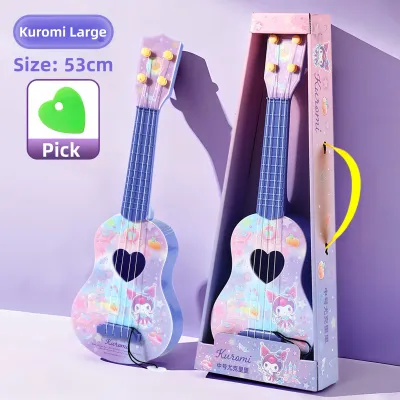
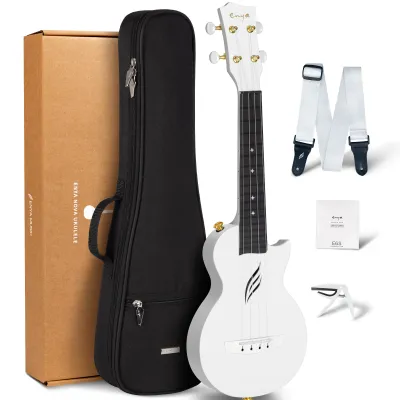
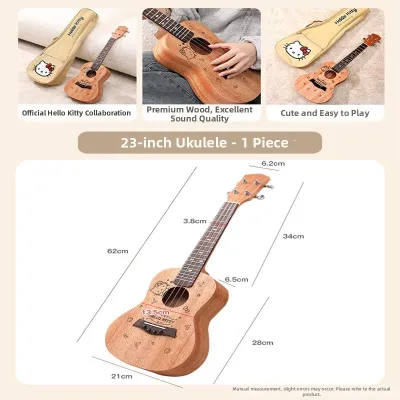
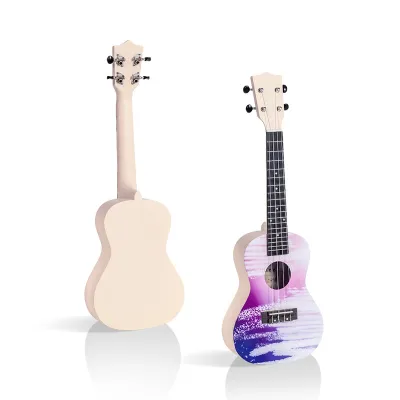
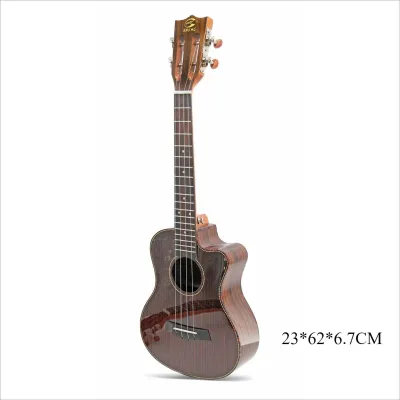
Prices are valid at publication and may change. Please refer to the product page for the latest price.
Beyond the standard soprano lies the sopranino, often referred to as a pocket or mini ukulele. These ultra-compact instruments feature scale lengths of 11 inches or less and require specialized manufacturing to remain playable. While highly portable, these smaller dimensions significantly compress the fretboard, making finger placement more challenging for beginners with larger hands.
Fretboard spacing directly impacts how easily a beginner can transition between chords. On a standard soprano, the frets are close together, but still spacious enough for standard chord shapes like C, G, and F. On a sopranino, the frets are extremely narrow, which can lead to finger crowding and accidental string muting during practice.
Scale length also dictates the tuning stability and string tension of the instrument. Standard soprano ukuleles use standard G-C-E-A tuning, which aligns perfectly with almost all beginner instructional books, online tutorials, and chord charts. Pocket ukuleles, however, often require higher alternative tunings, such as A-D-F#-B or C-F-A-D, to maintain enough string tension on the short scale. This means standard beginner resources may need to be transposed, adding an extra layer of complexity for absolute beginners.
Key Features to Evaluate in Beginner Mini Ukuleles
Evaluating the physical construction of a mini ukulele is crucial to ensuring it can withstand daily practice and local environmental conditions. The choice of body material is one of the most significant decisions you will make, particularly regarding durability and tone.

Tonewood and Body Construction
Beginner ukuleles are generally constructed from either solid wood, laminate wood, or composite materials. Solid wood instruments offer rich, evolving tones but are highly sensitive to environmental changes. Laminate wood, which consists of thin layers of wood pressed together, is structurally stable, highly impact-resistant, and significantly less expensive to produce.
In Singapore’s tropical climate, where relative humidity levels regularly exceed 80 percent, laminate construction is highly advantageous for beginners. Solid wood instruments absorb moisture rapidly, leading to swelling, warped soundboards, and lifting bridges if not kept in strictly climate-controlled environments. High-quality laminate ukuleles resist these humidity fluctuations, maintaining their structural integrity and playability without requiring constant humidification or dehumidification.
Hardware Quality and Tuning Pegs
An instrument that cannot stay in tune is one of the primary reasons beginners abandon their practice. The tuning pegs, located on the headstock, are responsible for holding the strings at the correct tension. You will encounter two main types of tuning mechanisms: geared tuners and friction pegs.
Geared tuners feature visible metal gears, typically with a 14:1 gear ratio, allowing for precise, incremental adjustments. These gears lock the tuning post in place, preventing the string from slipping under tension. Friction pegs, which rely solely on physical tightness and a rear screw to hold tension, are common on historical designs and very cheap models. They are notoriously difficult for beginners to adjust and frequently slip, causing the instrument to go out of tune mid-song.
Fretwork and Action
Action refers to the height of the strings above the fretboard. If the action is too high, pressing the strings down requires excessive finger pressure, leading to rapid hand fatigue and physical pain for beginners. If the action is too low, the strings will vibrate against the frets, creating an unpleasant buzzing sound.
When inspecting a mini ukulele, run your fingers gently along the sides of the neck. The metal fret wires should be perfectly flush with the edge of the fretboard. In poorly manufactured instruments, dry wood or rushed production leaves sharp fret ends protruding from the neck, which can scratch your hands during play. Additionally, check that the neck is perfectly straight by sighting down the edge from the headstock to the body.
Included Accessories
Many beginner ukuleles are sold as bundles, which can offer excellent value if the accessories are of decent quality. A padded gig bag is an essential accessory in Singapore, providing physical protection against knocks and acting as a minor barrier against sudden humidity shifts when traveling between air-conditioned indoor spaces and humid outdoor environments.
A clip-on chromatic tuner is another highly recommended accessory. While smartphone tuning apps are widely available, they rely on internal microphones that struggle to register pitch in noisy environments. A clip-on tuner detects the physical vibrations of the wood, providing fast, accurate tuning regardless of ambient noise.
How to Identify Reliable Brands and Avoid Toy Instruments
Distinguishing a genuine musical instrument from a toy is the most critical step in purchasing a beginner mini ukulele. Toy ukuleles are designed for aesthetic appeal and low production costs, whereas musical-grade instruments are engineered for acoustic performance and structural longevity.
Indicators of Musical Grade
Genuine musical instruments feature components designed for precise intonation and serviceability. Look for ukuleles that use real synthetic bone (such as NuBone) or high-quality dense plastics for the nut and saddle. These materials transfer string vibrations efficiently to the soundboard, resulting in better sustain and clarity.
Furthermore, musical-grade ukuleles feature separate, replaceable components. The bridge should be securely glued and reinforced to the body, and the saddle should be a distinct piece sitting inside the bridge slot. If the bridge and saddle are molded as a single, inseparable piece of plastic integrated into the body, the instrument is almost certainly a toy.
Red Flags of Toy Instruments
Be cautious of instruments featuring thick, heavy paint coatings across the entire body and neck. While colorful designs are visually appealing, heavy paint dampens the natural vibrations of the wood, resulting in a dull, quiet, and muddy sound. High-quality beginner instruments typically use thin satin or gloss finishes that allow the wood to vibrate freely.
Another major red flag is the use of cheap, stretchy nylon strings that resemble fishing line. These strings cannot hold tension, requiring constant retuning every few minutes. Reliable manufacturers string their instruments with reputable synthetic gut strings, such as Aquila Nylgut, which settle quickly, hold their pitch, and produce a warm, clear tone.
Evaluating Brand Reputation
When researching brands, focus on manufacturers that specialize exclusively in musical instruments rather than generic consumer goods. Established brands maintain dedicated quality control standards and publish detailed specifications for every model they produce, including wood types, scale lengths, and hardware components.
Avoid generic, white-label imports that lack a clear manufacturer website or verifiable product specifications. These products are often mass-produced in non-specialized factories with little to no quality control, leading to high rates of structural defects, misaligned bridges, and unplayable fret heights.
The Importance of Local Distributor Support
Purchasing an instrument from a brand with an established local distributor or authorized dealer network in Singapore offers significant advantages. Authorized dealers inspect and set up instruments before they are placed on the sales floor, ensuring that the action and intonation are correct.
Additionally, local distributor support simplifies warranty claims if a manufacturing defect arises, such as a lifting bridge or a cracked joint. Having access to a physical store or local service center means you can seek professional assistance, adjustments, or repairs without the hassle of shipping an inexpensive instrument overseas.
Buying Channels and Pre-Purchase Verification in Singapore
Navigating the purchasing process in Singapore requires weighing the convenience of online shopping against the security of hands-on testing in a physical music store.
Comparing Local Music Stores and Online Marketplaces
Physical music stores provide the invaluable opportunity to hold the instrument before buying. This allows you to assess the weight, feel the neck profile in your hand, and listen to the acoustic projection. Many local specialty shops also employ experienced staff who can perform a basic setup, adjusting the nut and saddle heights to ensure optimal playability for a beginner.
Online marketplaces and ecommerce platforms often offer a wider selection of colors, models, and bundle options, sometimes at slightly lower prices. However, buying online carries the risk of receiving an instrument that has not been inspected or set up. Wood instruments can also suffer damage during transit if not packaged correctly, making pre-purchase verification impossible.
Verifying Product Listings
If you choose to purchase online, read the product description with extreme care. Ensure the listing specifies the exact model number, size classification (soprano or sopranino), and the specific materials used in construction. Avoid listings that use vague terms like “standard size” or “wooden toy” without providing precise measurements.
Verify that the seller is an authorized dealer for the brand in question. Authorized dealers are more likely to store the instruments in climate-controlled warehouses, reducing the risk of receiving wood that has already warped due to improper storage in Singapore’s humid climate.
Checking Return Policies and Warranties
Before finalizing any online transaction, review the platform’s return policy and the seller’s warranty terms. A reliable seller should offer a clear return window (typically 7 to 14 days) allowing you to return or exchange the instrument if it arrives with structural defects, severe fret buzz, or shipping damage.
Be wary of international sellers offering no return policy or requiring you to pay high return shipping fees to overseas destinations. In such cases, any savings made on the initial purchase price can quickly be wiped out if the instrument arrives unplayable.
Budgeting Expectations
To secure a genuine, playable beginner mini ukulele in Singapore, you should expect to budget between S$60 and S$150. Within this price range, you can find reliable, well-constructed laminate soprano ukuleles from established brands that include geared tuners, quality strings, and a basic gig bag.
Instruments priced below S$40 are highly likely to be toys with poor intonation, unstable tuning, and rough fretwork. Conversely, spending more than S$200 is generally unnecessary for an absolute beginner, as the performance benefits of solid wood or premium aesthetics are secondary to basic playability and durability during the initial stages of learning.
Frequently Asked Questions (FAQ)
Is a mini ukulele easier to learn than a standard concert ukulele?
A mini ukulele, specifically a soprano, is highly portable and lightweight, making it comfortable to hold for long periods. However, the smaller fretboard means the frets are closer together, which can cause finger crowding for beginners with larger hands. A concert ukulele offers slightly wider fret spacing and higher string tension, which some beginners find easier for clean chord transitions. The choice depends on your hand size and whether portability is your primary priority.
Do I need to use special strings for a pocket or sopranino ukulele?
Yes, pocket and sopranino ukuleles often require specialized high-tension strings to compensate for their extremely short scale length. Using standard soprano strings on a pocket ukulele can result in loose, floppy strings that buzz constantly and fail to hold their pitch. Always check the manufacturer’s specifications for recommended string gauges and the intended tuning pitch (such as tuning up to B or C) to ensure optimal performance and prevent structural damage.
How should I store my mini ukulele in Singapore's humid weather?
To protect your mini ukulele from Singapore’s high humidity, store it inside a padded gig bag or a hard case when not in use, rather than leaving it exposed on a wall hanger. Avoid placing the instrument in direct sunlight, near open windows, or directly under air-conditioning vents, as rapid temperature and humidity shifts can cause the wood to warp or the glue joints to fail. For high-value instruments, placing a small silica gel packet inside the case can help manage moisture levels.
Community discussion
Share your experience or ask a question. Comments are reviewed before publication.