
Starting your drumming journey in Singapore is an exciting step, but it often comes with practical challenges. High-density living in HDB flats or condominiums means that noise levels and floor space are primary considerations when choosing an instrument. For beginners, a portable drum kit—typically an electronic drum set that can be folded or a compact tabletop drum pad—offers the perfect balance between realistic practice and neighbor-friendly volume control.
When searching for the right portable drum brand, it is easy to get overwhelmed by the variety of options available in local music showrooms and online marketplaces. Rather than looking for a single universal winner, the key to making a smart investment is understanding how different brands design their entry-level instruments. By focusing on build quality, playability, learning features, and space-saving designs, you can identify a reliable kit that fits both your budget and your home.
This guide outlines a practical framework for evaluating portable drum brands in Singapore, helping you understand what technical specifications to look for, how to match a kit to your living space, and what to verify before finalizing your purchase.
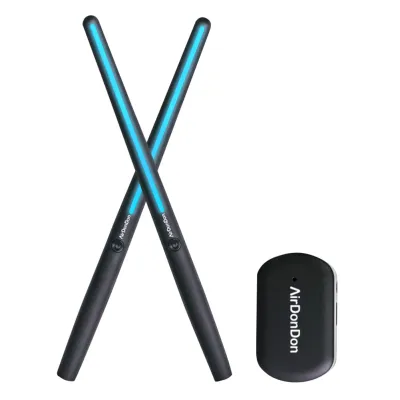
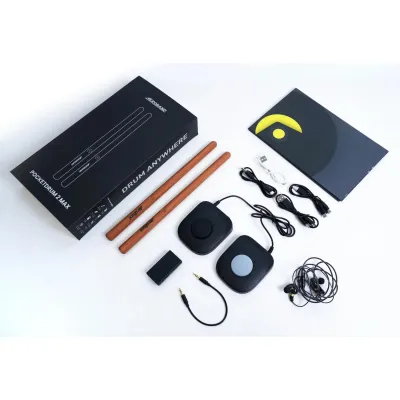
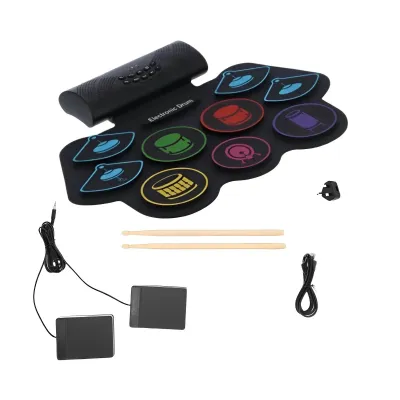
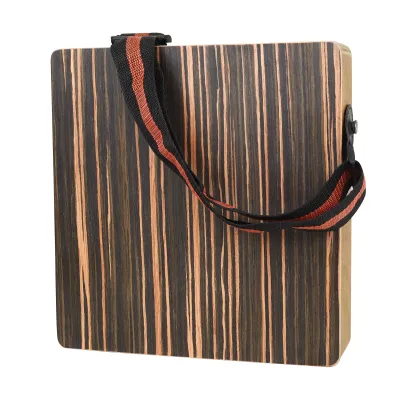
Products mentioned in this guide
![[SG] Portable Electronic Drum Set USB Roll-Up Silicon Drums Pad w Drumsticks Compact Size Kit Hand Practice With Pedals](https://img.lazcdn.com/g/p/73aace46fc1f8c7268623b73f5d18efb.jpg_400x400q80.jpg_.webp)

Prices are valid at publication and may change. Please refer to the product page for the latest price.
How to Evaluate Portable Drum Brands for Build and Playability
The physical construction of a portable drum kit directly impacts how often you will want to play it. For a beginner, the instrument must feel responsive enough to help you develop proper stick technique while remaining durable enough to withstand hours of practice. When comparing brands, the first physical component to examine is the pad material.
Electronic drum pads generally fall into two categories: mesh and rubber. Mesh heads are made of a woven material that closely mimics the tension and rebound of a traditional acoustic drum head. Many reputable brands allow you to adjust the tension of these mesh heads using a standard drum key, letting you customize the bounce to your liking. Furthermore, mesh is significantly quieter than rubber when struck, making it the preferred choice for keeping ambient noise to a minimum in shared living spaces. Rubber pads, while highly durable and often more budget-friendly, offer a stiffer rebound that can cause wrist fatigue during long practice sessions, and they produce a distinct acoustic “thwack” that can easily carry through thin walls.
Beyond the pads, the sound module—often called the “brain” of the kit—is what translates your physical strikes into digital sound. A high-quality sound module should feature realistic acoustic sampling, meaning the recorded drum sounds are clear, natural, and dynamic. Dynamic responsiveness is crucial; when you hit a pad softly, it should produce a quiet sound, and when you hit it hard, the volume and tonal character should change accordingly. Cheap or poorly engineered modules often suffer from “machine-gunning,” where repeating the same strike sounds artificial and identical. Additionally, ensure the brand’s module has no noticeable latency. Latency is the delay between the stick hitting the pad and the sound reaching your ears; even a few milliseconds of delay can disrupt your timing and make learning impossible.
Finally, do not overlook the stability of the rack and hardware. Portable kits are designed to be lightweight, but they must still remain stationary under heavy use. Look for brands that utilize sturdy clamps, robust joints, and a well-balanced frame design. A flimsy rack will wobble or slide across the floor when you strike the cymbals or use the kick pedal, which quickly becomes frustrating and can disrupt your playing posture.
Essential Learning and Connectivity Features to Prioritize
A great beginner drum kit should act as a practice partner. When evaluating different brands, look closely at the built-in software features and connectivity options designed to support your learning curve.

Most entry-level sound modules include dedicated coaching functions. These tools are incredibly valuable for developing timing, speed, and rhythm. Look for features like visual timing guides, which show whether you are playing ahead of or behind the beat, and stroke balance meters that help you develop equal strength in both hands. An adjustable metronome is a non-negotiable feature; it should allow you to change the tempo, time signature, and subdivision easily. Built-in play-along tracks in various musical genres are also highly beneficial, giving you a fun way to apply your skills to real-world musical contexts.
Connectivity is another area where modern portable drum brands excel, but specifications vary. Ensure the kit you choose has a dedicated headphone jack (either 3.5mm or 6.35mm) so you can practice silently at any hour. An auxiliary (AUX) input or Bluetooth connectivity is essential for streaming backing tracks or drumless songs from your smartphone or tablet directly into your headphones alongside your drum sounds. For those looking to use modern learning applications or recording software, a USB-MIDI port is vital. This allows you to connect the drum kit to a computer or tablet, turning your instrument into a MIDI controller for interactive software or digital audio workstations (DAWs).
Lastly, pay close attention to the pedal configuration. Entry-level portable kits often use basic, beaterless switch pedals for the kick drum and hi-hat. While these are incredibly quiet and space-saving, they do not feel like real acoustic pedals. If your goal is to eventually transition to an acoustic drum kit, look for brands that offer a physical kick pad trigger paired with a standard mechanical bass drum pedal. This setup provides the authentic resistance and foot technique required for advanced drumming, even if it does generate slightly more physical vibration through the floor.
Matching Portability and Footprint to Your Living Space
In Singapore, where residential space is highly valued, the physical footprint of your drum kit is just as important as its sound. Before purchasing, you must carefully measure your designated practice area and understand how the kit will be stored when not in use.
Many portable drum brands design their frames with specialized folding mechanisms. These kits allow you to collapse the entire rack—often without removing the pads or disconnecting the cables—so it can be tucked away into a closet, behind a door, or under a bed. When researching models, look for user manuals or product specifications that detail the folded dimensions. Some designs fold completely flat, while others simply allow the side arms to swing inward. Choose a mechanism that matches your specific storage constraints.
Weight and transportability are also key factors if you plan to move the kit between rooms or take it to jam sessions. Lightweight frames are easier to carry, but they must not compromise on structural stability. Some manufacturers offer dedicated carrying bags or cases designed specifically for their portable models. If you anticipate traveling with your kit, verifying the availability of a compatible transport bag is highly recommended.
To ensure a comfortable playing experience, measure your available floor space and compare it against the manufacturer’s fully assembled footprint specifications. Keep in mind that the actual space required is larger than the physical frame of the kit; you must also account for the space occupied by your drum throne (stool) and your own body extension while playing. A standard compact electronic kit typically requires an area of at least 1.2 meters by 1.2 meters to allow for proper ergonomic setup and comfortable movement.
Where to Buy and What to Verify Before Checkout
Once you have narrowed down your preferred features, the final step is deciding where to buy and ensuring you have everything needed to start playing immediately.
Visiting a physical music store in Singapore offers distinct advantages. Showrooms located in central shopping districts or specialized music hubs allow you to test different kits firsthand. This hands-on experience is invaluable for assessing the physical noise of the pads, the responsiveness of the sound module, and the overall stability of the rack. Additionally, purchasing from an authorized local retailer ensures you receive direct local warranty support and access to customer service. On the other hand, browsing reputable online marketplaces can offer a wider selection and the convenience of home delivery, but you must exercise caution to ensure you are buying from authorized dealers rather than unauthorized parallel importers.
Before finalizing your purchase, carefully verify the exact contents of the box. Many beginner drum kits are sold as “standalone” units, meaning they do not include essential accessories. You will often need to purchase a drum throne, a pair of drumsticks, headphones, and a kick pedal separately. Some retailers offer bundle packages that include these items, which can save you money and ensure compatibility. Always read the product description thoroughly to avoid the disappointment of unboxing a kit you cannot immediately play.
Finally, check the manufacturer’s warranty terms and return policies. Electronic drum components, particularly the trigger sensors inside the pads and the internal circuitry of the sound module, can occasionally experience technical issues. Confirm that the brand has an authorized local service center in Singapore. Having access to local technicians for repairs or replacement parts will save you the high shipping costs and long waiting times associated with sending heavy equipment overseas for servicing.
Frequently Asked Questions (FAQ)
Do I need a dedicated amplifier for a portable electronic drum?
You do not need an amplifier if you plan to practice using headphones, which is how most beginners use portable electronic drums at home. However, if you want to play aloud for others or practice without wearing headphones, you will need an external sound system. It is highly recommended to use a dedicated drum monitor or a portable PA system rather than a standard guitar or bass amplifier. Guitar amplifiers are designed to handle the mid-range frequencies of electric guitars and can easily distort or suffer speaker damage when subjected to the high-frequency cymbal sounds and low-frequency kick drum transients produced by an electronic drum kit.
Can I upgrade individual pads on an entry-level portable drum kit?
Your ability to upgrade individual pads depends heavily on the brand and the specific sound module included with your kit. Many entry-level portable kits use a proprietary cable harness (a single multi-pin connector that plugs into the module) rather than individual jack inputs for each pad. This can make it difficult to swap out standard rubber pads for third-party mesh pads or dual-zone cymbals. Before purchasing, check the sound module for extra trigger input jacks, which allow you to expand your kit with an additional cymbal or tom. If future-proofing is important to you, look for brands that use standard 6.35mm TRS inputs on their modules, as this offers the greatest compatibility with aftermarket pad upgrades.
Community discussion
Share your experience or ask a question. Comments are reviewed before publication.