
Finding the right self-help book for anxious people requires matching your specific anxiety patterns with the correct therapeutic framework, such as Cognitive Behavioral Therapy (CBT), Acceptance and Commitment Therapy (ACT), or somatic regulation. Rather than looking for a universal solution, readers should evaluate author credentials, evidence-based methodologies, and the practical format of the material to find a tool that fits their daily routine.
Anxiety is a complex, multi-layered experience that affects everyone differently. For some, it manifests as a constant stream of worried thoughts and worst-case scenarios. For others, it presents as physical tension, a racing heart, or a sudden urge to escape social situations. Because of these differences, a book that helps one person find peace might feel completely irrelevant to another.
Navigating the self-help section of a bookstore or online marketplace can be overwhelming. With hundreds of titles promising quick relief, it is easy to end up with a book that relies on superficial advice rather than proven psychological principles. By understanding how different books approach anxiety, you can make an informed purchase that supports your mental health journey.
Products mentioned in this guide
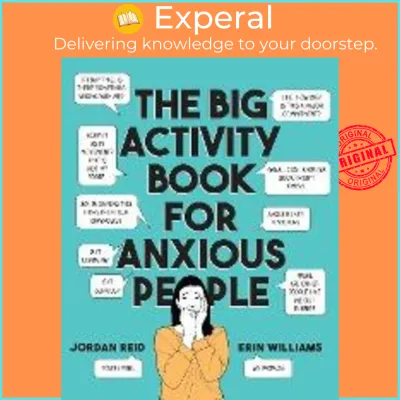
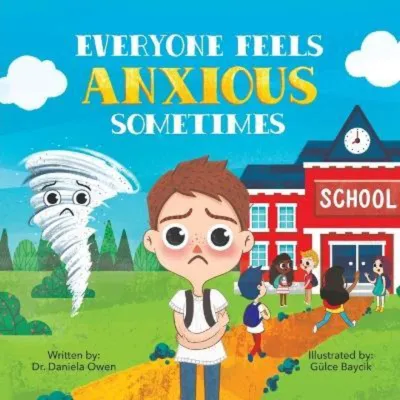
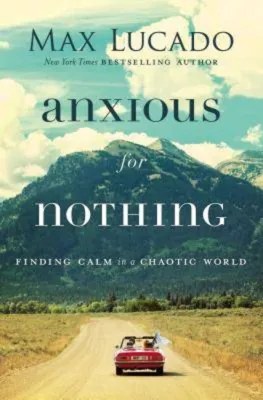
Prices are valid at publication and may change. Please refer to the product page for the latest price.
This guide is designed to help you navigate the selection process. We will break down how to identify your specific anxiety patterns, evaluate the credibility of self-help literature, and choose the right therapeutic framework for your needs. We will also cover practical buying tips to ensure you select the best format and edition for your lifestyle.
Understanding Your Anxiety to Choose the Right Book
Anxiety is not a uniform condition, and the first step in finding the right book is identifying your primary anxiety patterns. Mental health professionals generally categorize anxiety into several types, including generalized anxiety, social anxiety, panic disorders, and specific phobias. Each of these patterns requires a different set of coping strategies and therapeutic tools.
Generalized anxiety often involves persistent, uncontrollable worry about everyday matters like health, finances, or family. If you find yourself constantly asking “what if” questions and mentally preparing for worst-case scenarios, you will likely benefit from books that focus on cognitive restructuring. These resources help you identify and challenge irrational thought patterns.
Social anxiety, on the other hand, centers on the intense fear of being judged, embarrassed, or rejected in social or performance situations. If this matches your experience, look for books that offer targeted exposure exercises and social skills training. These guides help you gradually face social situations rather than avoiding them.
Panic disorders and specific phobias trigger intense, sudden physical sensations and avoidance behaviors. If you experience sudden panic attacks, a racing heart, or a fear of specific objects or places, you need books that focus on somatic regulation or gradual, structured exposure to fear triggers. These books teach you how to calm your physical body during moments of high distress.
Beyond identifying your anxiety type, consider whether you primarily need cognitive restructuring, emotional acceptance, or physical nervous system regulation. Cognitive restructuring helps you dissect and reframe irrational thoughts. Emotional acceptance teaches you to coexist with uncomfortable feelings without fighting them. Physical regulation targets the body’s fight-or-flight response directly.
Finally, determine your preferred learning style. Some readers thrive with highly structured workbooks that demand daily written exercises, thought logs, and progress tracking. Others prefer narrative-driven psychoeducation, which explains the science of anxiety through stories and clinical case studies to build a broader conceptual understanding before introducing coping strategies.
Core Criteria for Evaluating Self-Help Books
The self-help market is vast, making it crucial to filter out books that offer superficial advice or unscientific quick fixes. Evaluating a book against strict quality criteria ensures you invest your time, money, and emotional energy into resources that actually support your mental health.

First, verify the author’s professional credentials. Look for books written by licensed clinical psychologists, psychiatrists, or academic researchers who specialize in anxiety disorders. These professionals bring years of clinical experience and ethical training, ensuring the advice is safe and grounded in real-world practice. Be cautious of books written by self-proclaimed life coaches or influencers who lack formal clinical training.
Second, examine the evidence base of the book’s methodology. Reliable self-help books explicitly state their reliance on established, peer-reviewed psychological frameworks like CBT, ACT, or mindfulness-based stress reduction. Avoid titles that rely solely on personal anecdotes, untested spiritual trends, or proprietary systems that have not been validated by the scientific community.
Third, assess the book’s level of actionability. Reading about anxiety can provide intellectual comfort, but real change requires active engagement. Look for books that feature practical exercises, guided worksheets, thought logs, or step-by-step behavioral plans that you can easily integrate into your daily routine. A good self-help book should act as a practical manual rather than just a theoretical textbook.
Lastly, pay close attention to the tone and accessibility of the writing. The language should be empathetic, clear, and respectful of your experience. Steer clear of books that promote toxic positivity, suggest that anxiety is a personal failure, or make unverified miracle claims about curing anxiety overnight. True recovery is a gradual process, and a quality book will respect that timeline.
Book Categories by Therapeutic Approach
Different books utilize distinct therapeutic modalities to address anxiety. Understanding these core psychological frameworks allows you to select a book that matches your personal philosophy and emotional needs.
Cognitive Behavioral Therapy (CBT) Workbooks
Cognitive Behavioral Therapy (CBT) is one of the most widely researched frameworks for managing anxiety. CBT-based books operate on the premise that our thoughts, feelings, and behaviors are interconnected, meaning that changing how we think can directly alter how we feel and act.
These workbooks focus heavily on cognitive restructuring, teaching you to identify automatic negative thoughts and challenge cognitive distortions like catastrophizing or black-and-white thinking. They also guide you through behavioral experiments and gradual exposure techniques to systematically reduce avoidance behaviors.
This category is highly suited for readers who prefer a logical, structured, and analytical approach to self-improvement. The exercises are highly actionable, often resembling homework assignments that help you dissect your anxiety step by step.
However, readers should note that CBT workbooks require active, hands-on participation. To experience meaningful results, you must commit to writing in the workbook, tracking your thoughts, and consistently practicing the behavioral exercises in your daily life.
Acceptance and Commitment Therapy (ACT) Guides
Acceptance and Commitment Therapy (ACT) takes a fundamentally different approach to anxiety than traditional CBT. Instead of teaching you to fight, challenge, or eliminate anxious thoughts, ACT guides focus on developing psychological flexibility and living a meaningful, values-based life alongside your anxiety.
These books teach core skills such as mindfulness, acceptance of uncomfortable physical sensations, and cognitive defusion—a technique that helps you step back from your thoughts and see them as mere words rather than absolute truths.
This approach is ideal for readers who feel completely exhausted by the constant struggle to control or suppress their anxiety. By learning to stop fighting the symptoms, you free up mental energy to focus on what truly matters to you.
When shopping for ACT resources, look for guides that rely heavily on metaphors, storytelling, and experiential exercises. These tools help bypass intellectual resistance, making it easier to build long-term emotional resilience and acceptance.
Mindfulness and Somatic Regulation
For many anxious people, the physical symptoms of anxiety—such as a racing heart, shallow breathing, muscle tension, or chronic restlessness—are far more disruptive than the mental worry. Books focusing on mindfulness and somatic regulation target these physical responses directly through the nervous system.
These resources teach practical physical interventions, including targeted breathwork, grounding techniques, and exercises designed to stimulate the vagus nerve to activate the body’s natural relaxation response.
If you frequently experience sudden panic attacks or feel a constant physical state of high alert, somatic and mindfulness guides are highly relevant. They help you calm your body first, which naturally makes it easier to calm your mind.
Before purchasing a somatic guide, check if the book provides access to supplementary materials such as downloadable audio guides, clear visual diagrams, or companion mobile applications. Having audio guidance for breathing or meditation exercises can significantly enhance the effectiveness of physical practices.
Practical Checks Before Purchasing
Once you have identified the therapeutic approach that suits your needs, performing a few practical checks before checkout will ensure you get the most value out of your purchase.
First, carefully consider the book format. Physical workbooks are highly recommended for interactive guides, as they provide the physical space needed to write down reflections, fill out charts, and complete cognitive logs. E-books and audiobooks are excellent for narrative-driven psychoeducation or mindfulness guides that you can consume during a daily commute.
Second, verify that you are purchasing the latest edition of the book. Psychological research, clinical terminology, and diagnostic guidelines evolve over time, and newer editions often contain updated exercises, revised language, and more relevant examples.
Third, pay attention to retailer verification. Purchase your books from reputable online marketplaces, established local bookshops, or official publisher websites. This protects you from receiving poorly printed, pirated copies that may have missing pages, low-quality binding, or illegible text.
Finally, compare prices in S$ across different platforms to find the best deal, keeping in mind shipping costs and delivery times. Always check the e-commerce platform’s return policy before finalizing your order, as some books may not resonate with your personal coping style once you begin reading them.
Frequently Asked Questions (FAQ)
Can self-help books replace professional therapy for anxiety?
Self-help books are highly effective supplementary tools for managing mild to moderate anxiety, learning coping skills, and gaining psychoeducation. However, they cannot replace professional therapy. Severe, debilitating anxiety, panic disorders, or trauma-related symptoms require a professional diagnosis and a tailored clinical treatment plan. If your anxiety consistently interferes with your daily functioning, sleep, work, or personal relationships, it is essential to consult a qualified healthcare provider or licensed therapist.
How long does it take to see results from an anxiety workbook?
Cognitive and behavioral changes do not happen overnight; they require consistent practice over several weeks or months. Rather than expecting an immediate cure, focus on tracking small, incremental shifts in how you react to stressful situations. Pairing your workbook exercises with a daily journal can help you monitor your progress, identify recurring anxiety triggers, and celebrate gradual improvements in your mental resilience.
Are audiobooks effective for anxiety workbooks?
Audiobooks are highly effective for narrative-driven psychoeducation, mindfulness practices, and learning general coping concepts while multitasking. However, they are less practical for workbooks that require written reflections, thought logs, or interactive charts. If you prefer the audio format, verify whether the audiobook purchase includes a downloadable companion PDF containing the necessary worksheets and exercises.
Community discussion
Share your experience or ask a question. Comments are reviewed before publication.