
Learning to cook from scratch can feel intimidating, but soup is one of the most forgiving and rewarding entry points for any novice home cook. A well-structured soup book does more than list ingredients; it serves as a patient instructor, guiding you through the fundamental chemistry of building flavors, managing heat, and mastering basic knife skills. By starting with soup, you learn how simple, raw ingredients transform into comforting, cohesive meals, establishing a strong foundation for all your future culinary endeavors.
However, not every cookbook on the shelf is designed with the beginner in mind. Many volumes target experienced cooks, featuring complex restaurant-style recipes, obscure ingredients, or advanced techniques that can quickly lead to frustration in a home kitchen. To build genuine confidence, you need a resource that prioritizes clarity, foundational techniques, and accessible ingredients. This guide will help you evaluate and select the ideal soup book to kickstart your culinary journey, ensuring your time in the kitchen is both successful and deeply satisfying.
What to Look for in a Beginner-Friendly Soup Cookbook
When you are learning to cook from scratch, the structure of a cookbook is just as important as the recipes it contains. A truly beginner-friendly soup book should dedicate its opening chapters to foundational techniques rather than rushing straight into complex instructions. Look for books that offer comprehensive guides on essential skills, such as proper knife grip, safe vegetable preparation, and the mechanics of sweating, sautéing, and simmering. Uniform vegetable cuts ensure even cooking, preventing some ingredients from turning mushy while others remain raw.
Products mentioned in this guide
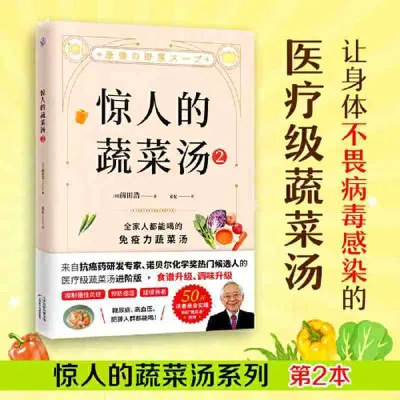
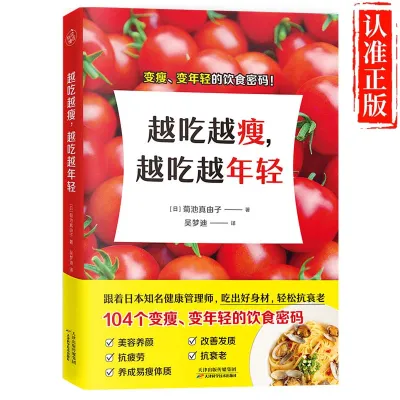
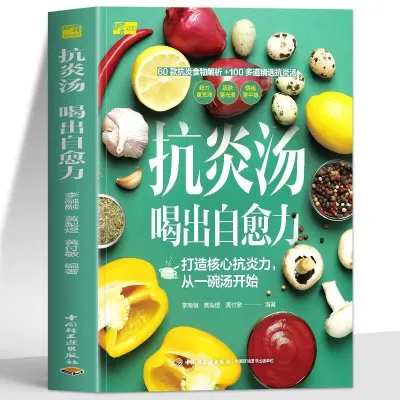
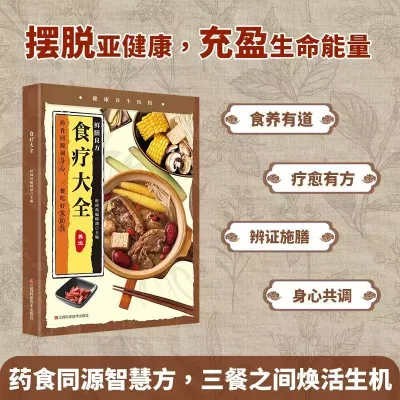
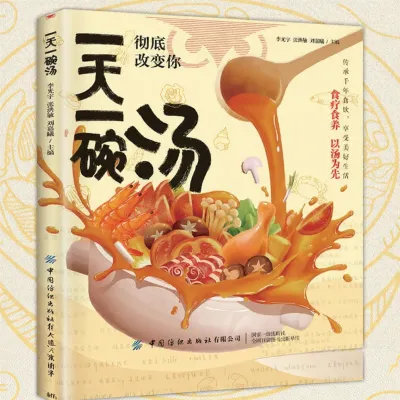
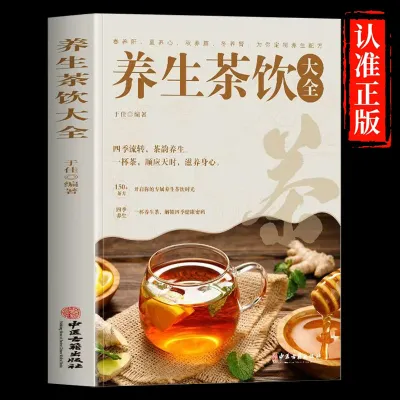
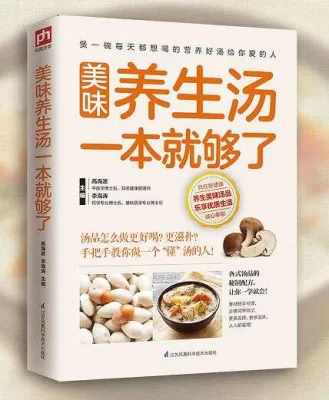
Prices are valid at publication and may change. Please refer to the product page for the latest price.
Another critical element to verify is the presence of a dedicated section on making basic stocks and broths from scratch. Learning to extract rich flavors from bones, vegetables, and aromatics is a milestone skill for any aspiring cook. The book should explain the differences between a light vegetable broth, a rich chicken stock, and a quick dashi, providing clear, step-by-step instructions for each. If a book assumes you will always buy pre-packaged broth or skips the stock-making process entirely, it may not offer the deep educational value you need to master cooking from scratch.
The ingredient lists within the recipes also require careful scrutiny before you make a purchase. For a beginner, nothing dampens enthusiasm faster than a recipe requiring specialized, hard-to-find, or highly expensive ingredients that are only available at niche specialty grocers. Look for a soup book that relies on standard, easily accessible produce and pantry staples that you can find at any local supermarket or wet market. The recipes should celebrate the potential of humble ingredients like onions, carrots, celery, garlic, and basic herbs, showing you how to coax maximum flavor out of everyday items.
Finally, evaluate the clarity and style of the step-by-step instructions. A beginner needs more than a simple list of actions; you need to understand the “why” behind each step. For example, instead of merely instructing you to “sauté onions for ten minutes,” a superior cookbook will explain that you are looking for a translucent appearance and a sweet aroma, which indicates the natural sugars are caramelizing. Visual aids, such as process photos showing the different stages of a broth or the correct size of chopped vegetables, are incredibly valuable tools that help you verify if your progress matches the author’s expectations.
Key Features That Build Cooking Confidence
Cooking is an active learning process, and mistakes are an inevitable part of the journey. A high-quality beginner’s soup book acknowledges this reality by incorporating practical troubleshooting guides directly into its pages. When standing over a pot of soup that is too salty, thin, or bland, you need immediate, actionable advice to rescue your meal. Look for books that include dedicated “how-to-fix-it” sidebars or troubleshooting sections that teach you how to balance flavors with acids like lemon juice or vinegar, thicken a watery broth with a starch slurry, or dilute excess salt without losing the soup’s character.

Equipment requirements are another area where a beginner-friendly book must remain grounded in reality. Some modern cookbooks assume every home kitchen is equipped with high-end immersion blenders, professional-grade food processors, or expensive multi-cookers and pressure cookers. For someone starting from scratch, these demands can create an unnecessary barrier to entry. Ensure the book you select focuses on recipes that can be executed using standard, everyday kitchen tools, such as a sturdy chef’s knife, a large cutting board, a wooden spoon, and a reliable, heavy-bottomed stockpot or Dutch oven.
Time management is a common source of anxiety for novice cooks, making accurate time estimates a crucial feature to look for. A good cookbook should clearly separate active preparation time from passive simmering time, allowing you to plan your evening effectively. Additionally, look for practical prep-ahead tips, such as which vegetables can be chopped the night before, and clear guidelines on how to store, freeze, and reheat leftovers safely. In a warm climate like Singapore’s, proper cooling and refrigeration are essential for food safety, and a thorough cookbook will address these parameters clearly.
Furthermore, look for books that offer ingredient substitution guides within the recipes. As a beginner, you might not always have every single herb or vegetable on hand, or you may want to adapt a recipe to suit dietary preferences or seasonal availability. A book that suggests easy, reliable swaps—such as using spinach instead of kale, or vegetable broth instead of chicken stock—empowers you to experiment safely. This flexibility helps demystify the cooking process, teaching you that recipes are adaptable frameworks rather than rigid, unforgiving laws.
Evaluating Formats, Editions, and Kitchen Usability
Before finalizing your purchase, it is essential to consider how the physical or digital format of the book will fit into your actual kitchen environment. If you prefer physical books, pay close attention to the layout design and construction quality. A cookbook needs to be highly usable while your hands are busy and potentially messy. Look for volumes with lay-flat binding, such as spiral-bound editions or high-quality flexibound covers, which stay open on your countertop without requiring heavy weights to hold the pages down.
The visual design of the pages also plays a significant role in kitchen usability. The font size should be large enough to read from a step or two away from the counter, allowing you to glance at the instructions while stirring a hot pot. Matte paper is generally preferable to high-gloss paper, as gloss can catch the glare of overhead kitchen lights, making the text difficult to read at certain angles. Additionally, consider the durability of the paper; thicker pages are more resistant to occasional splashes of broth or water, ensuring your investment lasts for years of regular use.
If you lean toward digital formats, such as e-books or digital downloads, verify the file compatibility with your preferred reading devices before buying. Check whether the digital edition offers offline access, so you do not have to rely on a stable internet connection while cooking. Look for user-friendly digital features like interactive tables of contents, quick-search functions, and adjustable text sizes. Some digital platforms also allow you to bookmark pages or add personal notes directly to the text, which is incredibly useful for recording your own adjustments and successful variations.
Another critical factor to verify is the language edition and the measurement system used throughout the book. Depending on your kitchen tools, you may prefer metric measurements (grams and milliliters) or imperial measurements (ounces and cups). Many high-quality cookbooks now include dual measurements, which is the most versatile option. Ensure that the terminology used for ingredients matches your local context; for instance, a book published in the United Kingdom might refer to “coriander” and “courgettes,” while an American edition will use “cilantro” and “zucchini.” Confirming these details beforehand prevents confusing translation errors during prep.
Building Your Shortlist: Criteria for Final Selection
To narrow down your options and make a confident final decision, establish a systematic filtering framework when browsing online marketplaces or physical bookstores. Begin by examining the table of contents to assess the overall organization of the book. A well-designed beginner’s cookbook should exhibit a logical progression, starting with simple, single-ingredient broths and gradually advancing to more complex, hearty stews, chowders, and purees. This step-by-step progression ensures that you build your skills incrementally, mastering one concept before moving on to the next.
Next, research the author’s background and the reputation of the publisher. Look for authors who are recognized culinary educators, cooking instructors, or food writers known for their clear, instructional style rather than celebrity chefs who may focus more on complex, signature restaurant dishes. Verify that you are purchasing an authorized, legitimate edition from a reputable publisher, as unauthorized digital copies or poorly formatted self-published books often contain frustrating typos, missing steps, or inaccurate measurement conversions that can ruin a recipe.
Reading sample pages or excerpts is one of the best ways to evaluate the instructional tone of the book. The language should feel encouraging, patient, and accessible, avoiding overly technical jargon without explaining what it means. As you read through a sample recipe, mentally walk through the steps to see if you can easily visualize the process. If the instructions feel vague, rushed, or overly complicated, it is a strong sign that the book may not be the right fit for a beginner learning from scratch.
Finally, set a reasonable budget in S$ and weigh the cost against the book’s long-term reference value. A high-quality cookbook is an investment in your education, but it does not need to break the bank. Compare the price of the book to the variety and volume of recipes it offers, as well as the depth of its educational sections. A book that contains fifty highly detailed, technique-driven recipes with troubleshooting guides often provides far more long-term value to a beginner than a massive volume containing hundreds of brief, unguided recipe listings.
Frequently Asked Questions (FAQ)
Do I need a dedicated soup book, or will a general beginner cookbook suffice?
While a general beginner’s cookbook is an excellent resource for overall kitchen literacy, a dedicated soup book offers unique, specialized value that can accelerate your learning. Dedicated books dive much deeper into soup-specific techniques that general cookbooks often gloss over, such as the science of emulsification in creamy soups, the art of clarifying broths, and the precise balance of sweet, sour, salty, and bitter flavors in a liquid medium.
Furthermore, a specialized soup book provides a much wider variety of recipes, exploring seasonal adaptations, regional styles, and diverse dietary modifications. You will find extensive guidance on how to adapt recipes for vegetarian, vegan, or gluten-free diets without sacrificing depth of flavor. If your goal is to master the art of scratch-made liquid comfort, the focused expertise of a dedicated soup book is well worth the investment.
Are digital soup books practical for use in the kitchen?
Digital soup books are highly practical, provided you take a few simple precautions to protect your devices in a busy kitchen environment. The primary challenges of using a tablet or smartphone while cooking are screen timeouts, glare from overhead lighting, and the risk of spills, splashes, or messy hands transferring grease to your screen. You can easily mitigate these issues by using a sturdy, adjustable tablet stand to keep your device elevated off the countertop and applying a matte screen protector to reduce glare.
On the positive side, digital books offer several convenient features that physical books cannot match. The ability to quickly search for specific ingredients, adjust the text size for easy reading, and use built-in timers directly from the page can streamline your cooking process. Many digital editions also offer offline access, ensuring you can view your recipes even if your kitchen has a weak wireless signal. Ultimately, choosing between digital and physical formats comes down to your personal reading preferences and how you prefer to manage your workspace.
Community discussion
Share your experience or ask a question. Comments are reviewed before publication.