
Choosing your first ukulele is an exciting milestone, but the sheer variety of options can quickly feel overwhelming. For beginners, three brands consistently dominate the conversation: Flight, Kala, and Enya. Each of these manufacturers has carved out a distinct reputation in the entry-level market, but they approach instrument design from fundamentally different angles. Rather than a simple hierarchy of “good versus bad,” these brands represent distinct design philosophies tailored to different player priorities.
Finding the right instrument depends heavily on your personal goals, budget, aesthetic preferences, and where you plan to play. A player looking for a traditional, warm acoustic experience will naturally gravitate toward different features than someone who needs a rugged, weather-resistant travel companion. By evaluating how Flight, Kala, and Enya compare across build quality, materials, playability, and overall value, you can make an informed decision that ensures your first musical steps are both rewarding and enduring.
Brand Profiles and Design Philosophies
To understand which instrument fits your style, it helps to look at the core identity and heritage of each brand. These philosophies dictate everything from the materials they select to the visual flair of their entry-level models.
Products mentioned in this guide
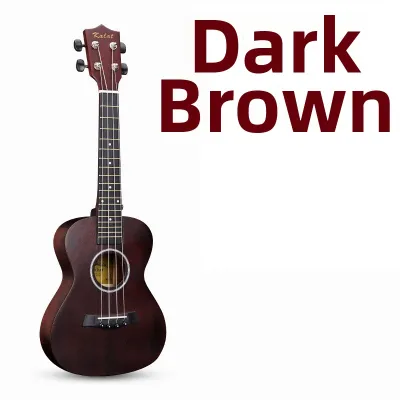
Prices are valid at publication and may change. Please refer to the product page for the latest price.
Flight has established itself as a modern, lifestyle-oriented brand that appeals directly to contemporary players. Known for its vibrant aesthetics and innovative designs, Flight frequently incorporates eye-catching artwork, colorful finishes, and unique structural elements like offset soundholes and arched plastic backs on their travel series. Their approach is highly visual and community-driven, aiming to make the ukulele feel accessible, fun, and highly portable without sacrificing acoustic projection.
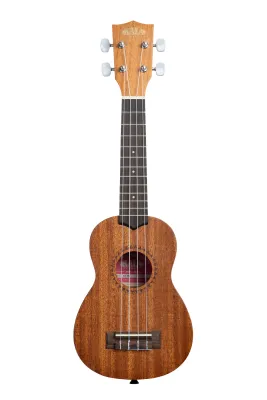
Kala represents the traditionalist path. Often credited with popularizing the ukulele globally during the modern instrument revival, Kala boasts an enormous catalog that spans from budget-friendly starter kits to high-end, solid-wood instruments. Their design philosophy is rooted in classic heritage, focusing on traditional wood construction, standard body shapes, and clean, understated finishes. For players who picture a classic mahogany or spruce instrument when they think of a ukulele, Kala is often the benchmark.
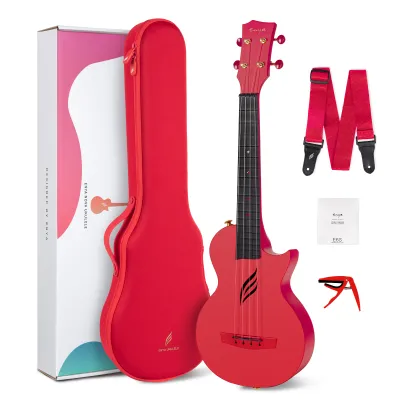
Enya takes a tech-forward, innovative approach to instrument manufacturing. They are pioneers in using alternative materials, such as High-Pressure Laminate (HPL) and carbon fiber composites, to create highly durable and stable instruments. Enya’s design philosophy merges modern structural engineering—like radius fretboards, zero-fret designs, and detachable necks—with integrated electronics. They target the modern player who demands structural resilience, consistent performance across varying climates, and advanced features at an accessible price point.
Comparing Build Quality and Materials
The materials used in a ukulele’s construction directly impact its durability, maintenance requirements, and how it responds to environmental changes. This is particularly crucial for beginners who may not want to manage the delicate humidity controls required by high-end solid woods.

Traditional wood laminates, which Kala utilizes extensively in its entry-level series, offer a classic look and a familiar acoustic resonance. Laminate wood consists of thin layers of wood glued together, making it far more stable and resistant to cracking than solid wood when exposed to temperature fluctuations. However, it still retains some sensitivity to extreme dryness or high humidity, requiring basic care to prevent warping over time.
In contrast, Enya relies heavily on High-Pressure Laminate (HPL) and carbon fiber composites. HPL is a composite material made under intense pressure, resulting in an incredibly dense and uniform structure. Carbon fiber models are molded as a single piece. These materials are virtually impervious to humidity and temperature shifts. Whether left in a warm room or played in a highly air-conditioned space, these instruments will not warp, crack, or lose their structural integrity, making them exceptionally low-maintenance.
Flight bridges these two worlds with its Travel series, which features a hybrid design: a durable, molded plastic body and neck paired with a laminate wood top. This combination offers the structural resilience of composite materials where it matters most—the back and sides—while retaining a wooden soundboard to preserve a more traditional acoustic tone.
When inspecting any new ukulele out of the box, beginners should perform a quick physical check to ensure proper build quality:
- Fret Edges: Run your fingers gently along the sides of the neck. The metal fret wires should be flush with the fretboard edge and feel smooth, not sharp or protruding.
- Tuning Pegs: Turn the tuning keys slowly. They should rotate smoothly without catching, slipping, or feeling excessively loose.
- Bridge Adhesion: Inspect the area where the bridge meets the body. There should be no visible gaps, lifting, or glue squeeze-out, which could indicate a weak structural bond.
- Joints and Seams: Look closely at the neck joint and body seams to ensure everything is tightly sealed and aligned.
Playability and Sound Characteristics
Playability determines how comfortable the instrument feels in your hands, which directly influences how long and how often you will want to practice. Sound characteristics, on the other hand, define the tonal personality of your music.
Neck profiles and nut widths vary slightly across these brands, affecting hand comfort. Kala typically features a traditional, slightly chunkier C-shaped neck profile and a standard nut width, which feels familiar to traditional players but might require a bit more hand stretch for very small hands. Enya often utilizes a slimmer neck profile paired with a subtle radius (curved) fretboard, which conforms more naturally to the natural arch of your fingers and can make barre chords easier to press. Flight generally strikes a middle ground, offering a comfortable, modern neck profile that accommodates a wide range of hand sizes.
Factory string action—the height of the strings above the fretboard—is another critical factor. If the action is too high, pressing the strings down requires excessive finger strength, leading to fatigue and soreness. If it is too low, the strings will buzz against the frets. Enya’s molded carbon fiber construction allows for highly precise, consistent factory action out of the box. Kala and Flight, relying more on traditional wood assembly, can experience slight variations, though both brands maintain respectable quality control standards for their entry-level models.
The tonal tendencies of these brands are shaped by their structural designs:
- Kala (Traditional Laminates): Tends to produce a warm, mellow, and classic woody tone. It offers a traditional acoustic resonance with a soft decay, making it excellent for classic strumming and vocal accompaniment.
- Enya (HPL and Carbon Fiber): Delivers a highly bright, punchy, and articulate sound with impressive projection and sustain. The dense composite materials reflect sound efficiently, though some players may find the tone slightly more clinical compared to traditional wood.
- Flight (Hybrid Travel Series): Offers a surprisingly loud, bright, and forward sound. The arched plastic back acts as a reflector, pushing the sound out of the soundhole with significant volume, while the wood top helps sweeten the high frequencies to prevent a harsh tone.
It is also worth noting that factory-installed strings play a massive role in initial sound perception. Many Flight models come equipped with high-quality Aquila Nylgut or fluorocarbon strings, which are bright and stable. Enya often uses their proprietary fluorocarbon strings, which offer a smooth feel and a clear, bell-like tone. Kala typically ships with Aquila strings, providing a reliable, warm baseline. Upgrading your strings later is an inexpensive way to fine-tune any instrument’s voice.
Value for Money and Included Accessories
For a beginner, the purchase price is only part of the equation; the total value depends heavily on what comes in the box. Purchasing accessories separately can quickly add up, making comprehensive starter bundles highly attractive.
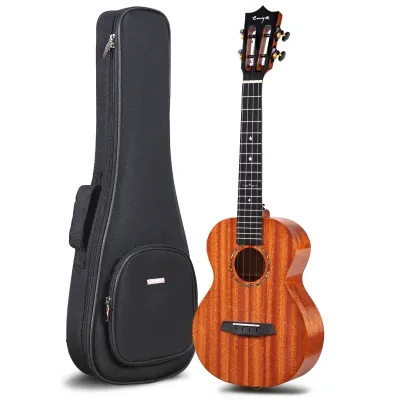
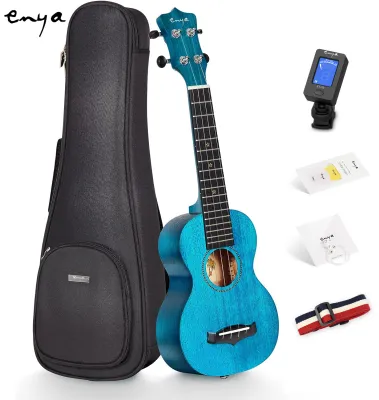
Enya is widely recognized for offering some of the most complete and high-quality accessory packages on the market. Many of their entry-level models ship with a custom-fitted, color-matched gig bag, a strap, a capo, a spare set of strings, and a cleaning cloth. The gig bags are often semi-rigid or heavily padded, providing excellent protection that far exceeds the basic dust covers typically included with budget instruments.
Flight also excels in its bundle offerings, particularly with its Travel series. These instruments usually include a stylish, lightweight drawstring gig bag and an instructional booklet. While the bag is minimalist, the instrument’s inherent durability means it requires less heavy padding. Flight’s higher-end beginner wood models often come with well-padded gig bags that feature comfortable shoulder straps.
Kala offers various starter kits, particularly under their entry-level lines. These kits often include a basic gig bag, a clip-on tuner, and a quick-start guide. While functional, the included gig bags in Kala’s entry-level kits tend to be thinner and less protective than Enya’s robust offerings, meaning you might feel the need to upgrade to a padded case sooner if you plan to travel frequently.
When considering long-term value, think about resale potential and your upgrade path. Kala enjoys high brand recognition, making their instruments relatively easy to sell on the secondhand market if you decide to upgrade to an intermediate solid-wood model later. Enya’s durable construction means their instruments hold up incredibly well over time, retaining their playability and structural integrity for years. Flight’s unique designs and popular travel models also maintain a strong following among enthusiasts, ensuring they remain desirable even as your skills progress.
How to Choose the Right Beginner Ukulele for You
To finalize your decision, map your personal priorities, playing environment, and physical preferences against what each brand does best.
Choose Flight if:
- You want a highly portable, lightweight instrument that you can take to outdoor gatherings or on trips without worrying about damage.
- You appreciate modern, colorful, and expressive visual designs that stand out from traditional wood instruments.
- You prefer a bright, loud acoustic projection from a compact body.
Choose Kala if:
- You want a classic, traditional acoustic ukulele experience with a warm, mellow tone and a timeless wood aesthetic.
- You value brand heritage and want access to an incredibly wide range of traditional sizes, wood types, and finishes.
- You prefer a standard, familiar neck profile and plan to play primarily in stable indoor environments.
Choose Enya if:
- You live in a climate with extreme humidity or temperature fluctuations and want a highly resilient, low-maintenance instrument.
- You prefer a modern, sleek feel with playability enhancements like a radius fretboard and a slim neck.
- You want the most comprehensive out-of-the-box accessory bundle, including a high-quality protective case and essential tools.
Before making your final purchase, always verify if you have specific physical constraints. For instance, players with larger hands or fingers may find the tight fret spacing of a soprano ukulele frustrating and should consider a concert or tenor size instead. Ensure the specific model you are looking at is available in your preferred size, as some specialized designs or colorways may only be offered in a single size configuration.
Frequently Asked Questions (FAQ)
Which ukulele size is best for a complete beginner?
For most complete beginners, the concert size represents an excellent balance. It is slightly larger than the traditional soprano, offering wider fret spacing that makes it much easier to press down chords without crowding your fingers. At the same time, it remains highly portable and retains the classic, bright ukulele sound. Soprano ukuleles are excellent for children or those seeking maximum portability, while tenor ukuleles offer a deeper, louder, and more guitar-like tone with the most spacious fretboard, making them popular among fingerstyle players.
Do I need to set up my new ukulele before playing?
Most reputable beginner ukuleles from Flight, Kala, and Enya are playable straight out of the box, but a professional setup can dramatically improve playability. A setup involves adjusting the nut slot depth, saddle height, and neck relief to ensure the strings sit at the optimal height. If you find that your new instrument is difficult to press down near the first fret, or if you experience persistent string buzzing, taking it to a local music store or luthier for a quick adjustment is highly recommended. This small investment can make learning significantly easier and more enjoyable.
Community discussion
Share your experience or ask a question. Comments are reviewed before publication.