
Selecting the right music score holder is a practical decision that directly impacts your playing posture, practice efficiency, and instrument safety. The ideal choice depends on your instrument’s physical design, whether you practice in a fixed location or travel frequently, and the format of your music. By understanding the structural differences between floor stands, clip-on holders, and portable folders, you can establish a reliable reading setup that keeps your focus entirely on the music.
Each of these three designs serves a distinct operational purpose, balancing physical support against mobility. A mismatch can lead to poor posture, dropped sheets, or even minor damage to your instrument’s finish. Evaluating your specific playing environment is the first step toward finding a secure and comfortable solution.
Core Differences Between Floor, Clip-On, and Folder Holders
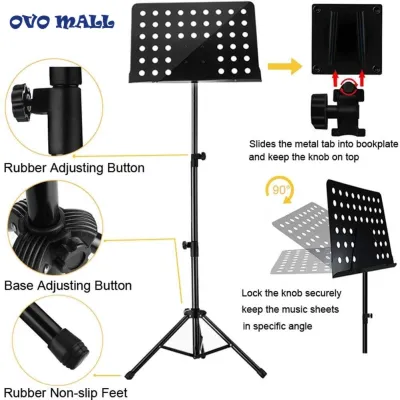
The fundamental distinctions among these three designs lie in their physical footprint, mounting mechanisms, and intended use cases. Floor stands are freestanding structures that rest on the ground, utilizing either a tripod base or a weighted flat plate. They are designed to remain stationary, offering a highly stable and adjustable platform that can support heavy music books, thick binders, or digital tablets at eye level.
Products mentioned in this guide
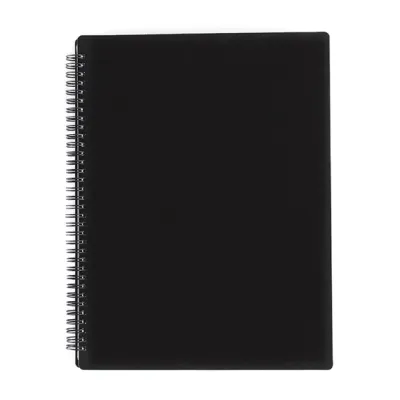
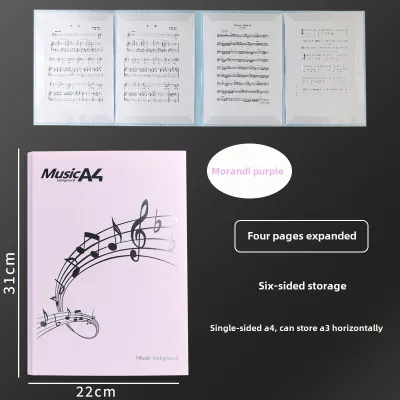
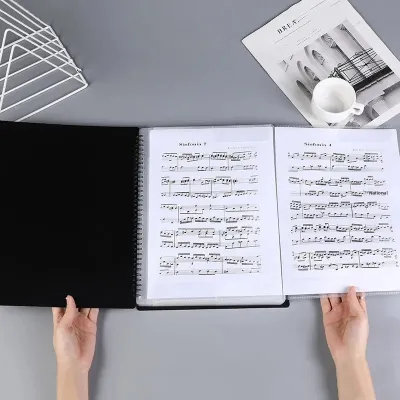
Prices are valid at publication and may change. Please refer to the product page for the latest price.
Clip-on holders, often referred to as lyres, bypass the floor entirely by clamping directly onto the instrument’s body, tubing, or nearby hardware like a microphone stand. This design prioritizes extreme mobility and hands-free reading in tight spaces, making it a staple for marching bands and active stage performers. However, this direct attachment limits the weight and size of the music you can display.
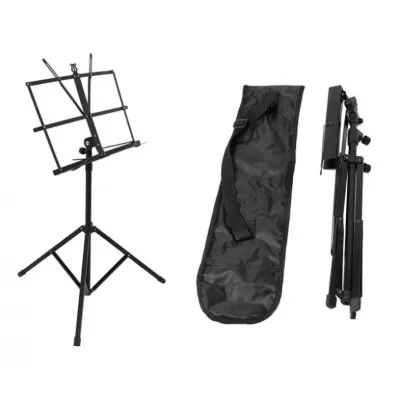
Folder-style holders are lightweight, collapsible structures designed for rapid transport. They often feature folding wire frames or semi-rigid panels that can be packed into a gig bag. While they offer excellent portability for traveling musicians, they sacrifice the absolute rigidity and wind resistance of heavy-duty floor stands, requiring careful handling in drafty or outdoor environments.
Floor Stands: Stability for Stationary Practice
Floor stands are the traditional choice for stationary environments where stability is paramount. They are highly suited for pianists, vocalists, orchestral players, and dedicated home practice spaces. Because they do not attach to the instrument, they allow you to position your music at the precise height and angle needed to maintain proper ergonomic posture.

These stands require a dedicated physical footprint on the floor. Tripod bases offer excellent stability and can often be folded down for occasional transport, though they require a wider radius of clear floor space. Weighted round bases have a more compact footprint, making them easier to position in tight corners, but their overall weight makes them less convenient to move between venues.
When evaluating a floor stand, focus on the locking mechanisms and joint construction. Look for thick metal telescoping shafts with secure collar clamps that prevent the stand from gradually slipping downward. The desk—the flat surface that holds the music—should feature a robust tilt adjustment mechanism, such as a geared clutch, to ensure it remains locked in place even when holding heavy anthologies.
Clip-On Holders: Mobility for Compact Setups
Clip-on music score holders are engineered for musicians who need to read music while moving or performing in highly restricted spaces. They are commonly used by brass and woodwind players, as well as performers who want to mount sheet music directly to microphone stands, keyboard frames, or drum hardware. This setup keeps the music within your immediate line of sight without cluttering the floor.
Before purchasing a clip-on model, it is essential to verify the clamp’s compatibility with your equipment. Measure the diameter of the tubing or frame where you plan to attach the holder, and compare it to the clamp’s maximum jaw width. The clamp must provide sufficient grip strength to prevent the holder from rotating or slipping under the weight of the music during active movement.
Protecting your instrument’s finish is a critical safety consideration. Ensure the clamp jaws are lined with non-marring materials such as high-density rubber, silicone, or soft felt. Unpadded metal clamps can easily scratch lacquer, polished chrome, or delicate wood finishes, leading to costly cosmetic repairs.
Keep in mind that clip-on holders have strict capacity limitations. They are designed to hold a few lightweight sheets of paper or small laminated cards rather than full-sized books. Additionally, because the holder moves with your instrument, any sudden motion can cause loose pages to flutter, making secure page clips or clear plastic sleeves highly beneficial.
Folder-Style Holders: Portability for Gigging
Folder-style holders, including folding wire stands and rigid choral folders with integrated hand straps, are designed specifically for traveling musicians and gigging instrumentalists. These models prioritize a compact folded size, allowing them to slide easily into backpacks, instrument cases, or commuter bags alongside your other gear.
While highly convenient for travel, these portable designs involve clear trade-offs in structural rigidity. Folding wire desks lack a solid backing, which makes it difficult to write pencil annotations on your sheet music during rehearsals. They also offer minimal protection against drafts, meaning a sudden gust of wind can easily blow your pages away if you are performing outdoors or near an air conditioning vent.
When inspecting a folding holder, pay close attention to the durability of the hinges and sliding joints. Frequent setup and teardown put significant stress on these moving parts. Look for models with sturdy metal rivets or reinforced plastic hinges that lock positively into place, and avoid designs with loose, floppy joints that cannot support the weight of a standard music folder.
Decision Framework: Matching the Holder to Your Instrument
To select the right music score holder, analyze your instrument type, playing posture, and primary performance environment.
Choose a Floor Stand if:
- You play a large, stationary instrument such as a piano, keyboard, harp, or drum kit.
- You practice primarily in a dedicated home studio or rehearsal room.
- You regularly read from heavy, bound music books or multi-page binders that require a solid backing.
- You need precise height adjustments to accommodate both sitting and standing playing postures.
Choose a Clip-On Holder if:
- You play a brass or woodwind instrument in a marching band or mobile ensemble.
- Your performance space is extremely limited, leaving no room for a traditional floor tripod.
- You want to mount your music directly to existing stage hardware, such as a microphone stand or instrument frame.
Choose a Folder-Style Holder if:
- You are a choral singer who needs to hold music securely at chest height during performances.
- You travel frequently by public transport and need a lightweight stand that fits inside a standard gig bag.
- You perform primarily in indoor venues where wind and drafts are not a concern.
Verify first if you use a digital tablet instead of traditional paper sheets. Tablets concentrate their weight in a small, dense area and are highly sensitive to drops. Ensure any floor stand or clip-on mount you select is rated for the weight of your specific device, and look for dedicated tablet clamps with non-slip grips rather than relying on a standard shallow music desk lip.
Essential Specs to Verify Before Purchasing
Before finalizing your purchase, review the physical specifications on the product packaging or manufacturer’s spec sheet to ensure a proper fit.
- Desk Dimensions and Lip Depth: Measure your thickest music books. The desk must be wide enough to support the pages without them bending backward. A lip depth of at least 3 to 5 centimeters is generally necessary to hold thick binders or tablets securely. Look for built-in page retainers, such as spring-loaded wire arms, to keep pages flat.
- Adjustment Range and Joint Types: Check the minimum and maximum height specifications to ensure the stand aligns with your eye level, whether you are seated on a low bench or standing. Geared tilt mechanisms and screw-tightened collar clamps offer more secure, long-term locking power than simple friction-based joints, which can wear out over time.
- Material and Weight: Heavy-duty steel stands offer maximum stability but are cumbersome to carry. Aluminum stands provide an excellent balance of lightweight portability and structural strength. High-density plastic desks are highly durable and resistant to denting, but cheaper, thin plastics can crack under stress or in cold environments.
Frequently Asked Questions (FAQ)
Can I use a standard floor stand for a digital tablet?
Yes, you can use a standard floor stand for a digital tablet, but you must verify that the desk has a deep, secure lip or a non-slip surface to prevent the device from sliding off. Because tablets are heavier than paper, they can shift the stand’s center of gravity. Ensure the tripod base is spread wide to prevent the stand from tipping over if bumped. For maximum security, consider using a dedicated tablet clamp that mounts directly to the stand’s vertical pole.
Are clip-on holders safe for delicate instrument finishes?
Clip-on holders are safe for instrument finishes only if they feature protective padding. Before clamping a holder to your instrument, check that the jaw surfaces are lined with non-marring rubber, silicone, or soft felt. It is wise to test the clamp tension on a less visible part of the instrument first. If you are concerned about delicate lacquer or wood, place a thin microfiber cloth between the clamp and the instrument surface as an extra protective buffer.
How do I maintain the adjustable joints on a folding holder?
To keep the adjustable joints on a folding holder functioning smoothly, perform periodic visual inspections. Check for loose screws, stripped threads, or worn friction pads that might cause the stand to slip under weight. Tighten any loose hardware gently with the appropriate tools. Always consult the manufacturer’s instructions before applying any lubricants or tension sprays, as some chemicals can degrade plastic joints or cause friction-based mechanisms to lose their grip entirely.
Community discussion
Share your experience or ask a question. Comments are reviewed before publication.