
Choosing the right music sheet holder depends on your instrument, practice environment, and whether you read from heavy physical books or lightweight digital screens. The three primary options—floor stands, clip-on holders, and desk stands—each serve distinct musical setups. While a floor stand offers the greatest height adjustability for standing instrumentalists, desk stands excel in compact spaces, and clip-on models provide unmatched portability for mobile performers.
To make the right choice, you must evaluate how your instrument is played, where you practice, and how much weight the holder must support. A violinist practicing in a compact apartment requires a different solution than a keyboardist working at a dedicated music production desk. By analyzing stability, portability, and ergonomic adjustability, you can select a holder that keeps your scores secure and your posture healthy.
Key Comparison Dimensions for Sheet Music Stands
The physical weight of your music collection dictates the structural strength your holder requires. Heavy anthologies, thick binders, and digital tablets exert significant downward and forward force on a stand. When evaluating stability, check the manufacturer’s specified weight limits and examine the thickness of the supporting joints. A stand that wobbles under the weight of a heavy book can disrupt your performance or, worse, tip over and damage your instrument or digital device.
Products mentioned in this guide
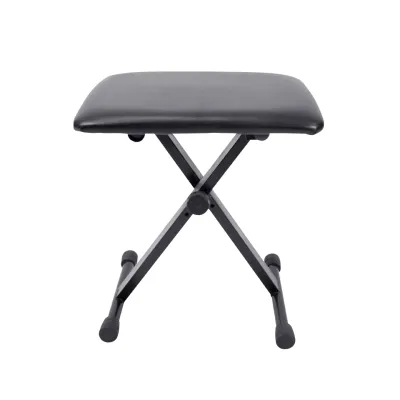
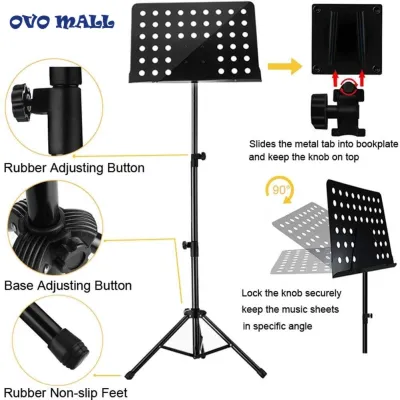
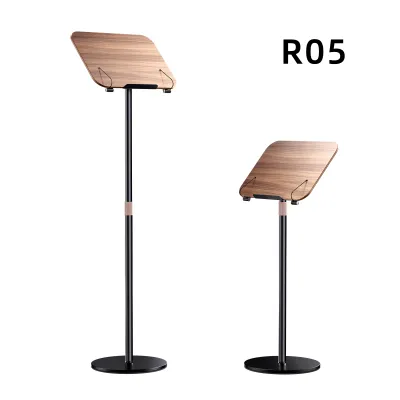
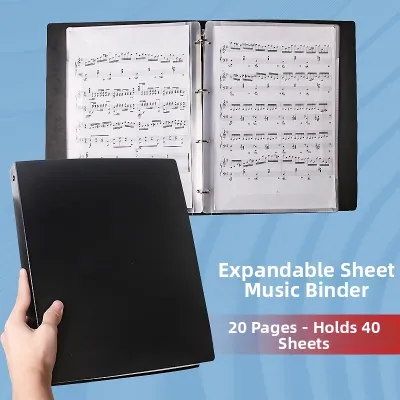
Prices are valid at publication and may change. Please refer to the product page for the latest price.
For musicians who travel for lessons, rehearsals, or gigs, portability is a primary concern. Folding mechanisms vary widely, with some floor stands collapsing into a single compact tube, while others feature detachable desks that require separate transport. Consider the overall weight of the materials; lightweight aluminum offers excellent portability but may sacrifice some wind resistance outdoors, whereas heavy-duty steel provides maximum stability at the cost of easy transport. Additionally, check if a carrying bag is included or available, as this protects the joints and adjustment screws from damage during transit.
Proper posture is essential for preventing strain during long practice sessions. Your music sheet holder must adjust to eye level, whether you are sitting at a piano or standing with a flute. Look for smooth tilt mechanisms that allow you to angle the tray to prevent glare from overhead lights. The height adjustment mechanism—whether friction-lock, knob-tightened, or trigger-activated—should hold its position securely under load. Ensure there is sufficient clearance around the tray so your hands can easily reach the pages for quick turns without bumping into the stand’s support column.
Matching the Holder to Your Instrument and Setup
Floor stands are the traditional choice for a wide range of instruments because they operate independently of any furniture. If you play the violin, flute, guitar, or brass instruments, a floor stand allows you to position your music at the exact height and angle needed for optimal breathing and playing posture. They are particularly beneficial for standing players who need the music elevated to eye level. For seated players, such as cellists or classical guitarists, a floor stand can be lowered significantly while maintaining a stable base.

If your practice space is limited, such as a compact study room or a shared apartment where floor space is at a premium, a desk or tabletop stand is highly efficient. These compact holders sit directly on flat surfaces, making them ideal for keyboard players whose instruments lack built-in music rests, or for music producers working at a computer desk. They eliminate the floor footprint entirely, leaving more room for your feet, pedals, and instrument cases. They are also excellent for vocalists or acoustic guitarists who practice while seated at a desk.
Clip-on and instrument-mounted holders serve highly specialized roles. Marching band musicians rely on small lyres that attach directly to the instrument’s tubing, keeping the music moving with the player. Alternatively, clamp-on utility shelves and sheet holders can attach directly to existing microphone stands or keyboard frames. This is incredibly useful for multi-instrumentalists or vocalists who need to keep their floor space clear of multiple tripod bases.
To decide which type fits your setup, apply a simple conditional framework. If you have a dedicated practice room and play an instrument that requires standing or active movement, choose a heavy-duty floor stand. If you practice at a multi-use table, use a digital keyboard on a desk, or have highly restricted floor space, opt for a tabletop desk stand. If you are a gigging musician who already carries microphone stands, or if you perform in a marching ensemble, a clip-on holder will provide the necessary mobility and space savings.
Specification and Setup Verification Checklist
Before purchasing, measure your largest music books or the digital tablet you plan to use. Check the depth of the tray’s bottom lip; a shallow lip may fail to hold a thick, springy binder open, causing pages to flip back on their own. Look for page holder arms—often spring-loaded wire clips—which are essential for keeping loose sheets flat and preventing them from blowing away in drafty rooms or outdoor settings.
If you choose a clip-on model, carefully verify the clamp specifications. Measure the diameter of the pole or desk edge you intend to attach it to, and compare it with the clamp’s maximum opening width. Ensure the clamp features protective rubber or silicone padding; unpadded metal clamps can easily scratch the finish of your instrument, microphone stand, or wooden furniture.
For floor stands, the design of the base determines its resistance to tipping. Tripod bases with wide leg spreads offer the best stability on uneven floors, but they occupy a larger physical footprint. Shifter or flat-weighted bases take up less floor space and are less likely to be tripped over in tight orchestral pits, but they require heavier materials to maintain their center of gravity. Ensure the rubber feet are intact and slip-resistant to prevent the stand from sliding on polished wooden floors or tile.
Frequently Asked Questions (FAQ)
Can I use a tablet or digital score on these stands?
Yes, you can use digital tablets on most music stands, but you must verify specific design features first. Because tablets have smooth, low-friction backs, they can easily slide off trays with shallow or angled lips. Look for a stand with a deep lip or one that features a non-slip rubberized surface. Additionally, check the maximum weight capacity of the stand’s tilt mechanism; a heavy tablet can cause a weak joint to droop over time, disrupting your view mid-performance.
Are wire or solid back trays better for holding books?
Solid back trays are superior for holding heavy music books, thick binders, and single sheets that require a firm writing surface for taking notes. They prevent the pages of heavy books from sagging through gaps, which can damage the binding. In humid climates, paper sheets can lose their stiffness and sag easily, making a solid back tray even more valuable for keeping your music readable. Wire trays, on the other hand, are highly portable and lightweight, making them excellent for traveling musicians who only carry lightweight sheet music or thin booklets. However, wire stands can be frustrating to use with single sheets of paper, as the sheets tend to slip through the open frame.
Community discussion
Share your experience or ask a question. Comments are reviewed before publication.