
A floor-standing music sheet stand is generally the better choice for large instruments, standing practice, and flexible positioning, while a desk-mounted stand suits compact desktop setups, seated keyboard players, and multi-device workflows. The right choice depends entirely on your instrument size, available space, and typical practice posture rather than one type being universally superior.
In compact living environments, such as typical apartments in Singapore, managing floor space is a primary consideration. A bulky stand can easily clutter a room, whereas an poorly positioned desk stand can lead to poor posture during long practice sessions. Evaluating how each stand type interacts with your instrument, furniture, and daily routine is essential before making a purchase. By understanding the physical demands of your instrument and the constraints of your practice space, you can select a stand that supports both your music and your physical well-being.
Core Differences Between Floor and Desk Music Stands
Understanding the fundamental structural and functional distinctions between floor-standing and desk-mounted music stands is the first step in determining which style fits your practice routine. These categories differ significantly in their physical footprint, adjustment capabilities, portability, and tray designs, directly impacting how you interact with your sheet music or digital devices.
Products mentioned in this guide
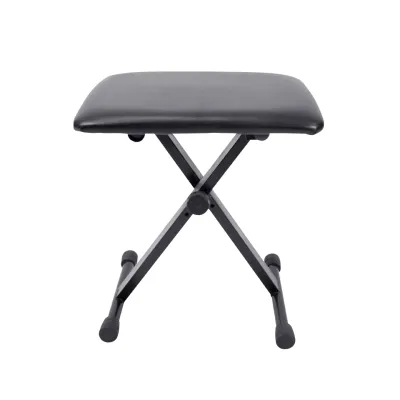
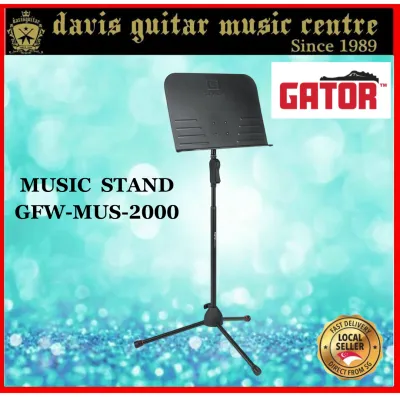
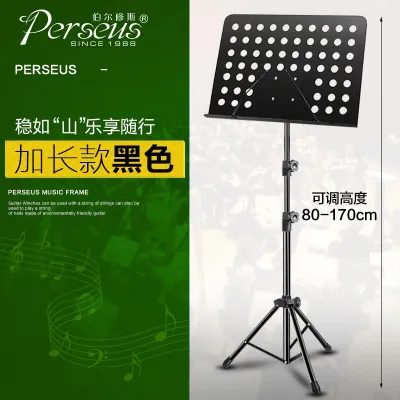
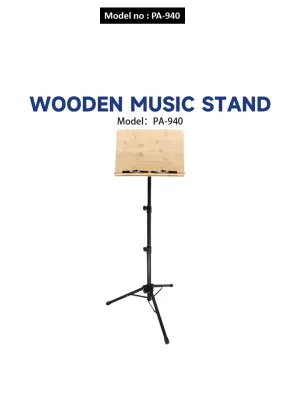
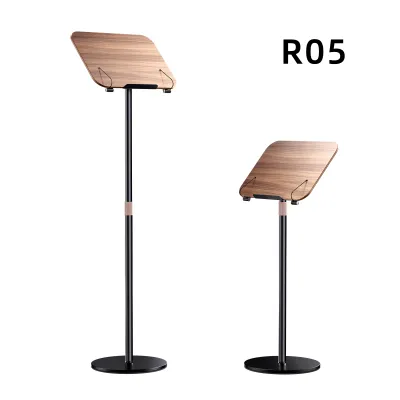
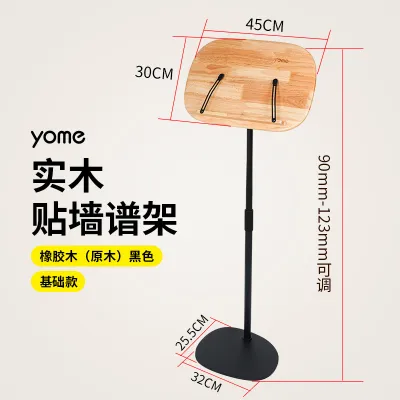

Prices are valid at publication and may change. Please refer to the product page for the latest price.
Floor-standing music stands rely on a dedicated base that rests directly on the floor, typically utilizing either a folding tripod design or a heavy, flat weighted base. This design completely decouples the stand from your desk or table, allowing you to position your music anywhere in a room. However, this independence comes at the cost of floor space, as tripod legs require a relatively wide spread to remain stable under the weight of heavy books.
Desk-mounted stands, by contrast, utilize existing furniture surfaces to support your music. They either sit directly on a flat surface using a small easel-style backrest or clamp firmly onto the edge of a desk using an adjustable mounting bracket. This setup eliminates any floor footprint, making it an excellent option for tight spaces, though it restricts your practice area to the immediate vicinity of your desk or table.
Height adjustment and portability also represent major differences between the two types. Floor stands offer a massive vertical range, adjusting from low seated heights to well above eye level for standing musicians, and many fold down into a highly compact package. Desk stands are inherently limited by the height of the desk they rest upon, though clamp-on models with articulating arms can offer some vertical and angular adjustments to help align the music with your line of sight.
When to Choose a Floor-Standing Music Stand
A floor-standing music stand is the most practical and ergonomic solution for a wide variety of instruments and practice scenarios. If your musical routine involves standing up, playing a large instrument, or practicing in a space without nearby tables, a floor stand provides the necessary independence and adjustability to keep your music perfectly positioned.

For musicians playing large or floor-supported instruments like the cello, double bass, harp, or a digital piano set up on a dedicated frame, a floor stand is practically essential. These instruments require you to sit or stand in positions where a standard desk is either too far away or completely inaccessible. A floor stand can be placed at the exact distance and angle required to maintain a clear line of sight to your music without forcing you to twist your body.
Standing practice routines also demand the height range that only a floor stand can provide. Singers, violinists, flutists, and classical guitarists often practice standing to optimize their breathing, posture, and instrument technique. A high-quality floor stand can easily extend to eye level, allowing you to maintain an upright, relaxed posture that prevents neck strain and fatigue during long rehearsal sessions. This independence is also highly beneficial in environments where desk space is unavailable or highly limited, allowing you to set up a dedicated practice sanctuary anywhere.
When to Choose a Desk-Mounted Music Stand
A desk-mounted music stand offers superior space efficiency and workflow integration for modern, desk-centric musicians. If your practice or production setup revolves around a computer, synthesizer, MIDI controller, or audio interface, a desk stand keeps your music close at hand while keeping your floor space completely clear.
Pairing your music stand with desktop instruments is one of the most common reasons to choose a desk-mounted model. If you use a MIDI keyboard or a synthesizer that sits directly on your desk, a floor stand can be incredibly awkward to position, as its legs often collide with your desk frame or your chair. A desk stand sits directly behind your keyboard, keeping your sheet music or tablet in your immediate field of view.
For seated practice at a table or studio desk, a desk stand provides a highly streamlined and comfortable setup. If you are studying music theory, writing arrangements, or practicing a portable instrument while seated at your desk, a simple desk easel keeps your music at a comfortable reading distance. This setup is also ideal for integrating your music into a multi-screen or multi-device digital workflow, allowing you to hold a tablet or secondary monitor at the perfect height next to your main computer screen.
Key Specifications to Verify Before Buying
To ensure you select a music stand that meets your physical and functional requirements, it is important to evaluate specific product specifications before making a purchase. Paying close attention to weight capacities, adjustment mechanisms, base styles, and material quality will help you avoid common pitfalls and find a durable stand that fits your setup.
First, verify the manufacturer’s stated weight capacity and tray dimensions against your heaviest music books, binders, or digital devices. Heavy anthology books or large tablets require a robust tray and a strong support shaft to prevent the stand from drooping or tipping over. Measure the width and lip depth of the tray to ensure your music materials will sit securely without sliding off or folding over the edges.
Next, inspect the joint friction, locking knobs, and tension mechanisms of the stand. High-quality stands utilize robust metal locking collars, spring-loaded tension clutches, or reliable friction joints that allow for smooth, secure adjustments. Avoid stands with flimsy plastic knobs that can easily strip or crack over time, as a failing joint can cause the tray to suddenly collapse under the weight of your music. Evaluate the base types and mounting styles carefully to match your specific environment, choosing between a wide tripod base, a heavy flat weighted base, a freestanding easel, or a secure clamp-on mount.
Decision Framework: Matching the Stand to Your Routine
Choosing the right music stand comes down to aligning the physical characteristics of the stand with your instrument, practice habits, and room layout. By evaluating a few key aspects of your daily routine, you can confidently select the stand type that will best support your musical journey.
Choose a floor-standing music stand if you play a standalone instrument that is not positioned on a desk, if you prefer to practice while standing, or if you need the freedom to position your music anywhere in a room. The height range and independent placement of a floor stand make it the most versatile option for traditional acoustic instruments and dynamic practice environments.
Choose a desk-mounted music stand if your practice is centered around a computer desk, if you use desktop instruments like MIDI controllers and synthesizers, or if you need to conserve floor space in a compact room. Before finalizing your purchase, perform a few quick physical checks of your practice space, such as measuring your desk’s thickness for clamp-on mounts or ensuring your floor surface provides adequate grip for tripod legs.
Frequently Asked Questions (FAQ)
Can I use a floor music stand for heavy textbooks?
Yes, but you must verify the stand’s specifications first. Lightweight, folding wire music stands are designed for loose sheets or thin booklets and will likely bend, slip, or tip over under the weight of a heavy textbook. For thick textbooks or heavy binders, choose a heavy-duty, solid-plate orchestral floor stand. These models feature robust steel construction, secure locking collars, and a deep tray lip designed to support significant weight. Always ensure the tripod legs are fully extended and positioned on a flat, non-slip surface to maximize stability.
Do desk-mounted stands damage the table surface?
They can if they lack proper protection or are installed incorrectly. Freestanding desk stands can scratch polished wood or glass surfaces if they do not have rubber feet. Clamp-on desk stands pose a higher risk of damage if they are overtightened or if the clamp lacks adequate padding. To protect your furniture, choose a stand with thick EVA foam or rubber padding on all contact points. Avoid overtightening the clamp, especially on delicate materials like glass, hollow-core composite wood, or soft wood veneers. If your desk is particularly fragile, you can place a small piece of felt or a rubber coaster between the clamp and the desk surface as an extra protective barrier.
Community discussion
Share your experience or ask a question. Comments are reviewed before publication.