
Choosing the best acoustic panel for a music practice room depends on the specific instruments played, the room’s dimensions, and structural limits. While lightweight acoustic foam offers an accessible way to tame high-frequency flutter echoes, high-density fiberglass and fabric-wrapped panels provide the broad-frequency absorption necessary to balance bass-heavy instruments. A successful treatment plan often combines these materials to address specific acoustic reflections without overloading the walls or exceeding the budget.
To build an effective practice space, musicians must distinguish between sound absorption and sound isolation. Acoustic panels are designed solely for absorption, improving the internal sound quality by reducing reverberation and echo. Selecting the right material ensures that your instrument sounds natural, clear, and balanced, allowing you to hear subtle details during practice sessions.
Understanding Acoustic Panel Materials for Practice Rooms
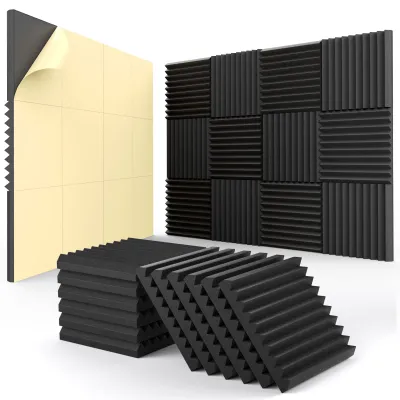
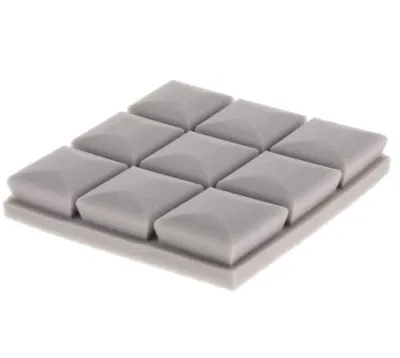
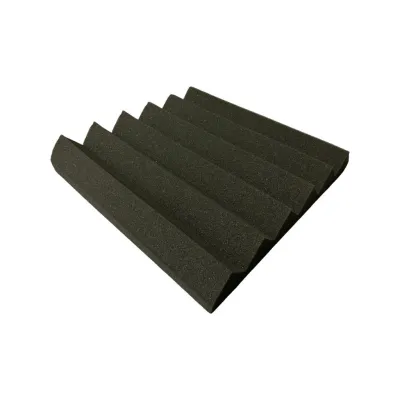
Acoustic foam is one of the most common materials found in home studios and practice spaces. Made from open-cell polyurethane, its physical structure consists of tiny, interconnected air pockets. When sound waves strike the foam, the air molecules inside these pores vibrate, converting sound energy into low-level heat through friction. Because of its low density, foam is highly effective at absorbing mid-to-high frequencies, such as the high-end transients of acoustic guitars, violins, or vocals, but it does little to control low-frequency energy.
Products mentioned in this guide



![[Slatwall]🌳 600x600mm - 1pc Sound Proof Acoustic Panel Self-Adhesive Studio Office Home Wall Karaoke Restaurant](https://img.lazcdn.com/g/p/b314f78fb4f8b4431272aadf02da4498.jpg_400x400q80.jpg_.webp)
Prices are valid at publication and may change. Please refer to the product page for the latest price.
Fiberglass panels, typically constructed from rigid, compressed glass fibers, offer a much higher density than polyurethane foam. This dense structure allows fiberglass to resist and absorb a much broader range of frequencies, extending down into the lower-mid and bass registers. Because raw fiberglass can shed tiny, irritating fibers into the air, these panels are almost always wrapped in a protective, acoustically transparent fabric cover to ensure safety and clean air quality in enclosed practice spaces.
Fabric-wrapped panels are a versatile category where the acoustic performance is determined by the internal core material rather than the outer fabric. The core is typically composed of high-density fiberglass, mineral wool, or specialized acoustic cotton. The outer fabric layer is selected for its acoustic transparency, allowing sound waves to pass through unimpeded to the core, while providing excellent physical durability and aesthetic options that blend seamlessly into residential or commercial spaces.
Comparing Performance and Practicality
When evaluating acoustic performance, look beyond general material assumptions and examine the manufacturer’s technical specifications. The primary metric to check is the Noise Reduction Coefficient (NRC), which ranges from 0.0 (perfect reflection) to 1.0 or higher (perfect absorption). However, because NRC is an average of mid-frequency performance, you should also review the absorption coefficients at specific octave bands—particularly 125 Hz and 250 Hz—if you need to treat low-end buildup from drums, bass guitars, or digital keyboards.

Durability and maintenance are critical factors in active music rooms where gear is frequently moved. Acoustic foam is soft and highly susceptible to tearing, crumbling, or degrading over time, especially in humid climates where polyurethane can break down. Fabric-wrapped panels with rigid internal frames offer superior impact resistance, making them ideal for high-traffic practice rooms where instrument cases, microphone stands, or guitar necks might accidentally bump into the walls.
Installation requirements vary significantly based on the weight of the panels. Lightweight foam panels can be mounted easily using temporary adhesive strips, double-sided tape, or lightweight pins, making them highly suitable for rental properties or temporary setups. In contrast, heavy fiberglass and fabric-wrapped panels require robust mounting hardware, such as impaling clips, Z-clips, or wall anchors, to secure them safely to concrete or drywall surfaces.
Fire safety is a paramount concern that must not be overlooked when installing synthetic materials on walls and ceilings. Many cheap, unbranded foam products do not meet local building safety standards and can pose a severe fire hazard. Always verify the fire safety rating on the product label—looking for Class A or Class 1 fire ratings—and ensure the materials comply with local civil defense and building codes before installation.
Quick Comparison of Acoustic Panel Materials
| Material Type | Best For (Frequency Range) | Durability | Installation Effort | Typical Budget Range (S$) |
|---|---|---|---|---|
| Acoustic Foam | Mid-to-High Frequencies (e.g., vocals, flute) | Low (Prone to tearing and crumbling) | Low (Lightweight, adhesive-friendly) | S$10 – S$40 per panel |
| Rigid Fiberglass | Broad Range & Low-Mid (e.g., brass, cello) | Medium (Requires protective wrapping) | Medium to High (Heavy, requires mounting) | S$30 – S$80 per panel (raw) |
| Fabric-Wrapped Panels | Broad Range & Low-End (e.g., drums, piano, bass) | High (Protective cover, rigid frame) | Medium to High (Requires wall anchors) | S$60 – S$200+ per panel |
Note: The values and ranges in this table represent general industry baselines. Musicians should always verify exact performance specifications, fire safety certifications, and current retail pricing directly on the manufacturer’s official store or through authorized local distributors before making a purchase.
How to Choose the Right Panel for Your Space
Choose acoustic foam if your budget is limited, you are renting your practice space, and your primary goal is to tame high-frequency flutter echoes. Foam is highly effective for solo vocalists, acoustic guitarists, and woodwind players who do not produce heavy low-frequency energy. Its lightweight nature allows for non-destructive installation, meaning you can easily remove the panels when moving out without damaging the underlying drywall or plaster.
Choose fiberglass or fabric-wrapped panels if your practice room hosts high-energy, full-range sound sources such as drum kits, bass amplifiers, grand pianos, or brass ensembles. These environments require the high-density absorption that only rigid cores can provide. Fabric-wrapped panels are also the preferred choice if you want a professional, polished aesthetic for a commercial teaching studio or a dedicated home music room where the treatment needs to last for years.
Before finalizing your purchase, verify the structural integrity of your practice space. Heavy fabric-wrapped panels require secure anchoring, which can be challenging on thin partition walls or temporary room dividers. Additionally, if you are treating a commercial space or a public school practice room, check local fire safety regulations, as many jurisdictions strictly prohibit the use of exposed polyurethane foam on walls and ceilings.
Installation and Placement Strategies
To maximize the effectiveness of your acoustic treatment, panels must be placed strategically rather than scattered randomly across the room. The most critical areas to treat are the first reflection points, which are the spots on the side walls, ceiling, and floor where sound waves bounce directly from your instrument or speakers to your ears. You can identify these points using the mirror method: sit in your primary playing position and have a friend slide a mirror along the wall at eye level; wherever you see the reflection of your instrument or speakers is where a panel should be placed.
Low-frequency sound waves naturally accumulate in the corners of a room, leading to a muddy, boomy sound that masks musical detail. To combat this, place thick, high-density panels—often referred to as bass traps—across the vertical corners of the room. Combining materials is an excellent way to balance performance and cost; you can install high-density fabric-wrapped panels in the corners and at primary reflection points, while using lighter acoustic foam on flat wall surfaces to eliminate remaining flutter echoes.
Before mounting any panels, check your wall surface compatibility to ensure a secure bond or mount. Concrete and brick walls, common in many residential buildings, require masonry drill bits and appropriate wall plugs to support heavy panels safely. If you are using adhesives for lightweight foam, test a small, inconspicuous area of the wall first to ensure the adhesive can be removed without stripping the paint or leaving a stubborn residue.
Frequently Asked Questions (FAQ)
Do acoustic panels block sound from leaving the room?
No, acoustic panels do not block sound from escaping or entering a room. Acoustic panels are designed for absorption, which improves the sound quality inside the room by reducing echoes and reverberation. To block sound from traveling through walls to neighboring rooms, you need soundproofing materials that add mass, density, and mechanical decoupling to the wall structure itself, such as heavy drywall, green glue, or dedicated isolation barriers.
Can I mix different acoustic panel materials in one room?
Yes, mixing different acoustic panel materials is highly recommended and often the most cost-effective way to treat a music practice room. You can place dense, fabric-wrapped fiberglass panels in the corners to act as bass traps and at primary reflection points to handle broad-frequency reflections. Meanwhile, you can use more affordable acoustic foam on the upper walls or ceiling to control high-frequency flutter echoes, creating a balanced acoustic environment without overspending.
Community discussion
Share your experience or ask a question. Comments are reviewed before publication.