
Choosing the right protection for your ukulele is one of the most important decisions you will make after purchasing the instrument itself. The choice between a padded gig bag and a hard case depends entirely on how you transport, store, and handle your ukulele. Gig bags offer lightweight convenience and extra storage for local commutes, while hard cases provide essential crush protection for air travel, rough handling, and long-term storage. By evaluating your daily routine, travel habits, and the climate in which you live, you can select a carrying option that keeps your instrument safe without adding unnecessary bulk to your journey.
Every ukulele player has unique needs based on their lifestyle and the value of their instrument. A musician who frequently walks to local jam sessions or takes public transit will prioritize comfort and portability, whereas a touring performer or collector will require maximum structural defense. Understanding the physical differences between these two storage options is the first step toward making an informed purchase that safeguards your musical investment.
Understanding the Core Differences
To choose the right protection, you must first understand the fundamental structural and material distinctions between padded gig bags and hard cases. Gig bags are typically constructed from flexible, woven fabrics such as nylon, polyester, or heavy canvas. The exterior of a gig bag is soft and pliable, allowing it to conform slightly to its surroundings and compress when empty. Inside, these bags feature varying thicknesses of foam padding, ranging from thin dust covers with virtually no padding to premium bags with 20mm or more of high-density foam. The interior is usually lined with soft nylon or microfiber to prevent scratches on the instrument’s finish.
Products mentioned in this guide
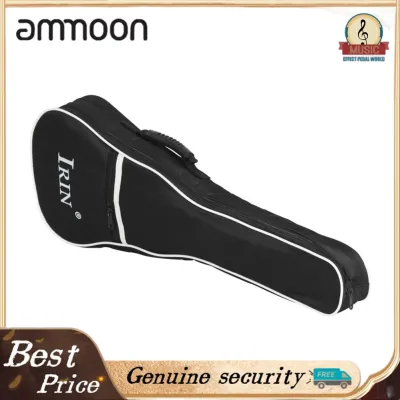
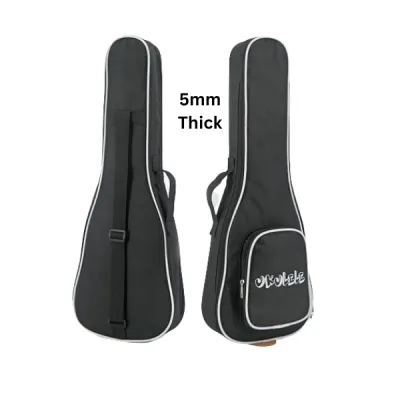
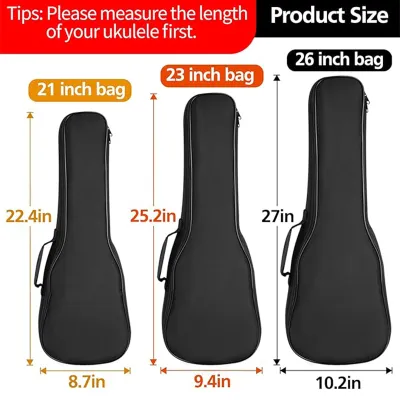
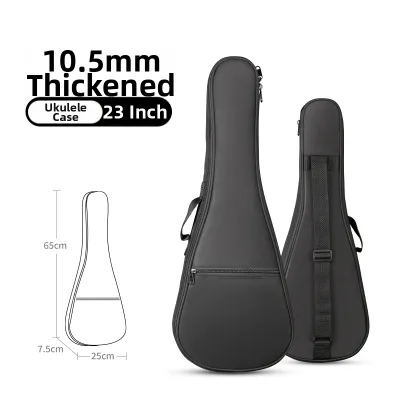
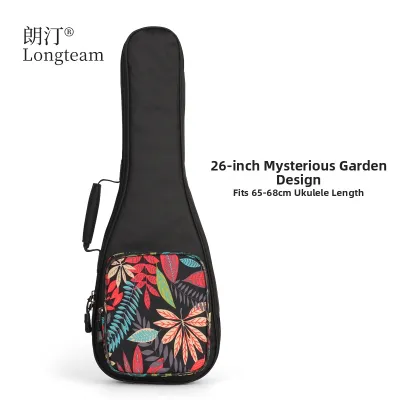
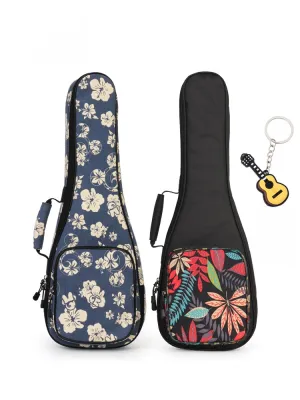
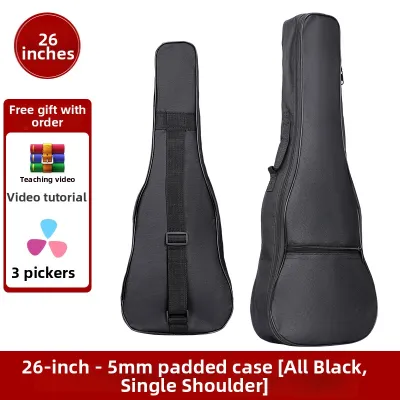
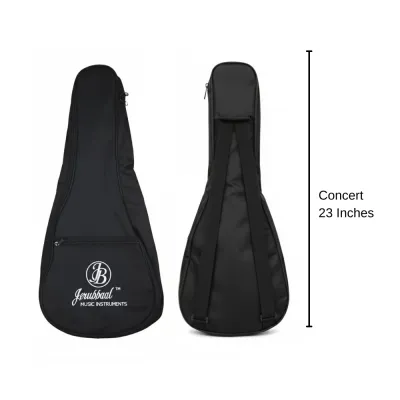
Prices are valid at publication and may change. Please refer to the product page for the latest price.
In contrast, hard cases are built with a rigid, unyielding outer shell designed to withstand significant external force. Common materials for hard cases include plywood covered in vinyl or tweed, heavy-duty ABS plastic, or lightweight fiberglass. The interior of a hard case is molded to fit the specific shape of the ukulele, featuring a rigid foam core covered in plush fabric. This rigid structure almost always includes a dedicated neck cradle that supports the neck and headstock, preventing the instrument from shifting or flexing under pressure.
These material differences directly impact the weight, bulkiness, and overall profile of each option. Gig bags are inherently lightweight and low-profile, making them easy to carry over your shoulder or slip into tight spaces. Hard cases are significantly heavier and bulkier, maintaining their exact dimensions regardless of where they are stored. While a hard case requires a dedicated storage spot in your home or vehicle, a gig bag can often be folded or hung up when not in use.
Protection and Durability: What Each Option Actually Offers
When evaluating protection, the primary hazard to consider is physical impact. Hard cases excel at resisting vertical pressure and heavy impacts, making them the most reliable choice for scenarios where other heavy items might be stacked on top of your instrument. If you plan to place your ukulele in a car trunk under luggage, or if you must check it as baggage on a flight, a hard case is essential to prevent the body from being crushed. Gig bags, even those with thick high-density foam, cannot support heavy loads and will compress, transferring the force directly to the delicate wooden top and bridge of the ukulele.

Weather and environmental resistance are also critical factors in instrument longevity. Hard cases offer more robust protection against dust, moisture, and sudden temperature shifts because their rigid lids seal tightly against the base, often utilizing rubber gaskets or overlapping lips. This sealed environment is highly effective at slowing down the rate of temperature and humidity changes. Gig bags, while often made from water-resistant exterior fabrics, are vulnerable to moisture seeping through the zipper teeth and stitched seams during a heavy downpour.
Durability also depends on the hardware and construction points of each option. For gig bags, the primary failure points are the zippers, strap buckles, and seam stitching, which can wear out or tear under frequent use. When inspecting a gig bag, look for heavy-duty metal zippers and reinforced stitching at the strap attachment points. For hard cases, durability is determined by the quality of the metal latches, hinges, and the handle rivets. A high-quality hard case will feature drawbolt latches that pull the lid shut securely, ensuring the case cannot accidentally pop open during transit.
Portability and Comfort: Carrying Your Ukulele
The ergonomic experience of transporting your ukulele varies greatly between these two styles. Gig bags are designed with mobility in mind, almost always featuring adjustable backpack-style straps or a single shoulder strap. This allows you to carry the instrument hands-free, leaving your hands open to carry sheet music, a music stand, or personal items. The lightweight nature of a gig bag, combined with padded shoulder straps, ensures that carrying your instrument over long distances or during extended walks remains comfortable and strain-free.
Hard cases, on the other hand, are primarily designed to be carried by a single molded handle. While some modern fiberglass or ABS hard cases include metal D-rings for attaching a removable shoulder strap, the rigid and heavy nature of the case makes shoulder carrying less comfortable. The weight is concentrated on one side of your body, which can lead to muscle fatigue during long walks. If you frequently walk long distances or stand for extended periods while commuting, the physical effort required to carry a hard case is noticeably higher.
For those navigating busy urban environments, public transit, or cycling, the portability of a gig bag is unmatched. A low-profile gig bag worn on your back allows you to squeeze through crowded train cars, walk down narrow sidewalks, and ride a bicycle safely. A hard case is much wider and more rigid, making it easy to accidentally bump into pedestrians, turnstiles, or car doors. If your musical journey involves constant movement through crowded spaces, the streamlined profile of a gig bag offers a significant practical advantage.
Storage and Extra Features: Beyond Just Holding the Instrument
A major practical advantage of gig bags is their external storage capacity. Most gig bags feature large, zippered external pockets designed to hold all your essential accessories. These pockets can easily accommodate clip-on tuners, spare strings, capos, cleaning cloths, and even full-sized sheet music books or chord charts. Having all your gear organized in a single, lightweight bag simplifies your preparation and ensures you never arrive at a practice session or lesson without your necessary materials.
Hard cases offer very limited storage by comparison. Because the exterior is rigid and form-fitting, any storage must be located inside the case. Most hard cases feature a small accessory compartment directly beneath the neck support cradle. This compartment is usually only large enough to hold small items like a tuner, a capo, and a spare set of strings. Larger items, such as sheet music, music stands, or tablet computers, must be carried separately in a backpack or tote bag, increasing the number of items you have to manage.
The ease of access and setup speed also differ between the two options. Gig bags with dual zippers can be opened quickly while standing or holding the bag, allowing you to slide the ukulele out with minimal effort. Hard cases require a flat, stable surface—such as a table, bed, or clean floor—to lay the case down flat before you can safely undo the latches and open the lid. While this process only takes a few extra moments, it can be inconvenient in crowded rehearsal spaces or outdoor settings where flat surfaces are unavailable.
How to Decide: Matching the Case to Your Lifestyle
To determine which option is right for you, consider your typical usage patterns and the environments where your ukulele will spend its time. You should choose a gig bag if you primarily commute locally by foot, bicycle, or public transit, and need a lightweight, hands-free carrying solution. Gig bags are also a practical choice for students attending weekly lessons, casual players who bring their instruments to local parks or beach gatherings, and anyone working within a modest budget. If you own a durable laminate ukulele that is less sensitive to environmental changes, a high-quality padded gig bag provides more than enough protection for daily use.
Conversely, you should choose a hard case if your lifestyle involves frequent travel by car, train, or airplane, where your instrument will be packed alongside heavy luggage. A hard case is also highly recommended if you store your ukulele in shared household spaces where it could easily be stepped on by pets, knocked over by children, or damaged during house cleaning. Furthermore, if you own a high-end, solid wood ukulele, a hard case is highly recommended to provide the sealed environment necessary for effective humidity control.
Before making any purchase, it is critical to verify the exact dimensions of your ukulele to ensure a proper fit. Ukuleles are categorized into four standard sizes—soprano, concert, tenor, and baritone—but individual manufacturers often use unique body shapes, neck lengths, and headstock designs. A tenor ukulele from one brand may have a wider lower bout or a deeper body than a tenor from another brand. Measure your instrument’s overall length, body depth, and the width of both the upper and lower bouts, then compare these measurements directly against the interior dimensions listed by the bag or case manufacturer rather than relying solely on the size label.
Frequently Asked Questions (FAQ)
Can I use a standard guitar gig bag for my ukulele?
Using a standard guitar gig bag for a ukulele is highly discouraged because the massive size discrepancy leaves the instrument completely unsupported. Inside a guitar bag, a ukulele will slide around constantly during transit, which can lead to broken tuning pegs, structural cracks, or severe neck damage if the bag is bumped. To ensure your instrument remains secure, always purchase a bag specifically designed for your ukulele’s size category, and verify the interior dimensions before buying.
Do I need a humidifier inside my ukulele case?
Whether you need a humidifier depends on your ukulele’s material and your local climate. Solid wood ukuleles are highly sensitive to humidity fluctuations; dry air can cause the wood to shrink, warp, or crack, while excessive moisture can soften glues and distort the body. In dry regions, or in air-conditioned indoor environments like those common in Singapore, using a case humidifier is essential for solid wood instruments. Hard cases are far more effective at retaining humidity than gig bags because their tight seals prevent moisture from escaping, whereas laminate ukuleles are highly stable and rarely require humidification.
Community discussion
Share your experience or ask a question. Comments are reviewed before publication.