
Acquiring your first ukulele is an exciting milestone, but it immediately introduces a practical challenge: keeping the instrument safe from scratches, drops, and environmental changes. As a beginner, you will quickly find that the market is divided into two primary protective options: the soft, flexible gig bag and the rigid, structured hard case. Choosing between them is not about finding a universally perfect option, but rather about identifying which style aligns with your daily routine, transport habits, and budget.
The most suitable choice depends heavily on how you plan to move your instrument from place to place—whether you are walking, taking public transit, or traveling by car—and the level of physical risk your ukulele will encounter along the way. While a lightweight gig bag offers excellent convenience and storage for casual players, a hard case provides the structural integrity needed to withstand heavy impacts and crushing forces. By understanding the distinct advantages and limitations of each type, you can make an informed decision that protects your investment without adding unnecessary bulk to your daily commute.
Understanding Your Transport and Protection Needs
Before comparing specific cases, you must evaluate your daily routine and the specific physical and environmental risks your ukulele will face. In Singapore, the tropical climate introduces unique challenges for musical instruments. High humidity levels and sudden, heavy downpours mean that water resistance is a critical factor to consider. If you frequently walk outdoors or wait at unsheltered bus stops, a case with water-resistant exterior fabrics or a sealed rubber gasket becomes highly valuable to prevent moisture from seeping into the wood or laminate joints.
Products mentioned in this guide
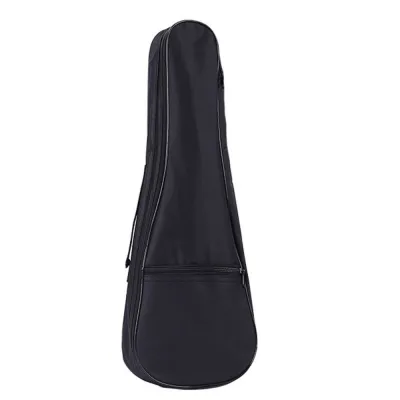
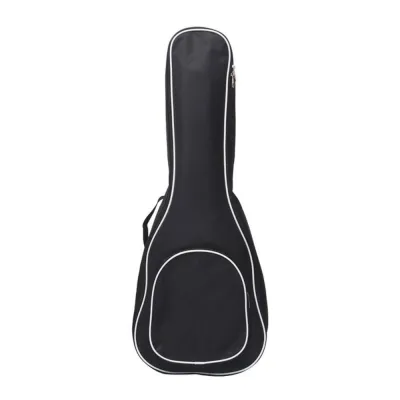
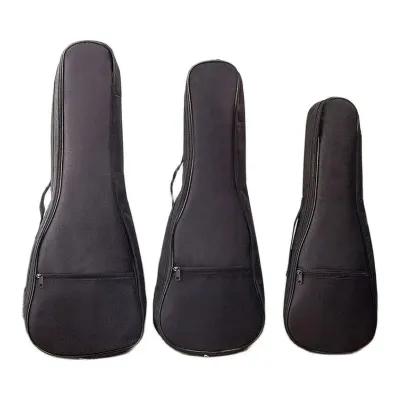
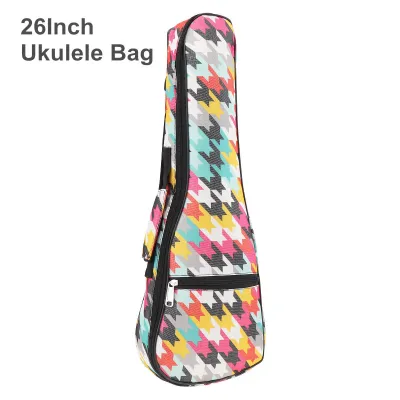
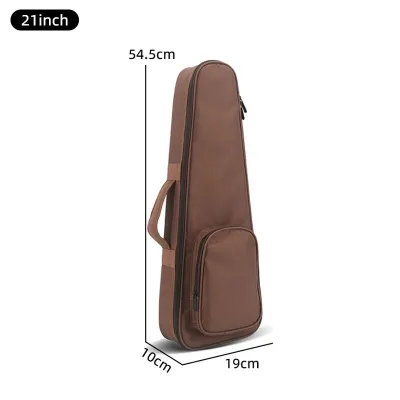
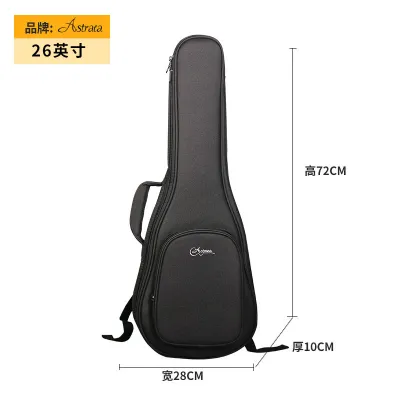
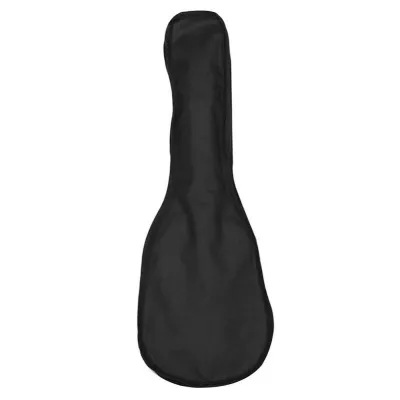
Prices are valid at publication and may change. Please refer to the product page for the latest price.
Your method of commuting also dictates your protection requirements. If you primarily travel via crowded MRT trains or buses during peak hours, your instrument is vulnerable to being bumped, squeezed, or knocked by other commuters. In these high-density environments, a soft bag might not offer sufficient resistance against lateral pressure. Conversely, if you travel mostly by private car or taxi, where the ukulele can sit securely on a seat or in a dedicated trunk space, the risk of physical impact is significantly lower. Assessing these daily scenarios helps you determine whether you need a shield against heavy crushing forces or simply a convenient way to carry your instrument over short distances.
Gig Bags: Lightweight Convenience and Storage
A gig bag is a soft-sided, flexible cover typically made from woven synthetic fabrics like nylon or polyester. For many beginners, the primary appeal of a gig bag lies in its lightweight design and ease of transport. Most gig bags feature adjustable backpack straps, allowing you to carry your ukulele hands-free while walking, cycling, or navigating public transit. This portability is a significant advantage for students or casual players who need to carry other items, such as school bags or groceries, at the same time.

Another practical benefit of gig bags is the inclusion of external storage pockets. These zippered compartments are incredibly useful for keeping essential accessories organized and accessible. You can easily store a clip-on tuner, spare nylon strings, a capo, chord charts, and cleaning cloths in one place, eliminating the need to carry a separate accessory bag.
However, gig bags have clear physical limitations. Because they rely on foam padding wrapped in fabric, they offer minimal crush protection. If someone accidentally sits on a gig bag, or if it gets wedged under heavy luggage, the force is transmitted directly to the instrument, which can lead to cracked wood, bent tuning pegs, or a broken neck. The level of protection is also highly dependent on the thickness of the internal foam, which typically ranges from a thin 5mm to a more substantial 20mm. While a thicker foam layer improves shock absorption during minor bumps, it still cannot match the structural rigidity of a solid frame.
Hard Cases: Maximum Impact Protection
A hard case is a rigid container designed to provide a high level of physical protection for your instrument. These cases are constructed with a solid outer shell, commonly made from plywood wrapped in vinyl, heavy-duty ABS plastic, or lightweight fiberglass. Inside, the case features a molded foam interior lined with plush fabric, which cradles the ukulele and prevents it from shifting during transit.
The primary advantage of a hard case is its exceptional crush resistance and impact protection. If a hard case is dropped from a height, knocked over, or stacked under heavy items, the rigid exterior shell absorbs and distributes the force, keeping the ukulele inside highly isolated from the impact. This makes hard cases the standard choice for scenarios involving air travel, where instruments must be checked as baggage or stored in overhead compartments, as well as for storage in high-traffic households where pets, children, or guests might accidentally step on the instrument.
Despite their protective qualities, hard cases come with notable trade-offs. They are significantly heavier and bulkier than gig bags, making them less comfortable to carry over long distances on foot. Most hard cases feature a single suitcase-style handle rather than backpack straps, which occupies one of your hands during travel. Furthermore, hard cases rarely have external pockets, meaning you must store accessories in a small internal compartment under the neck joint—which has very limited space—or carry them separately.
Feature-by-Feature Comparison
To help you quickly compare these two options, the table below outlines the key differences across several practical categories. When reviewing these points, keep in mind that specific features, materials, and prices vary by manufacturer, so you should always verify the exact specifications of any model you are considering.
| Feature | Gig Bag | Hard Case |
|---|---|---|
| Weight | Very lightweight; easy to carry | Heavy and bulky; requires more effort |
| Impact Protection | Low to moderate (absorbs minor bumps) | High (resists drops, falls, and heavy pressure) |
| Crush Resistance | None (flexible structure) | High (rigid outer shell protects against crushing) |
| Weather Resistance | Moderate (depends on fabric water-resistance) | High (often features sealed edges or tight latches) |
| Accessory Storage | Excellent (large external zippered pockets) | Limited (small internal compartment under the neck) |
| Portability | High (backpack straps, hands-free) | Moderate (usually single hand-carry handle) |
| Typical Price Range | S$15 to S$50 (varies by padding thickness) | S$60 to S$150+ (varies by shell material) |
| Suitable For | Budget-conscious players, short commutes, walking | Frequent travelers, high-risk storage, solid wood instruments |
How to Decide: Choose a Gig Bag or Hard Case?
To finalize your decision, consider which of the following scenarios best describes your current situation and how you plan to use your ukulele.
Choose a gig bag if:
- You are working with a limited budget and prefer to spend more on the instrument itself than on accessories.
- Your commute involves a lot of walking or cycling, and you highly value hands-free portability via backpack straps.
- You primarily play at home or take your ukulele to low-risk environments, such as a friend's house or a local classroom, where you can easily monitor the instrument.
- You need to carry multiple accessories, sheet music, and personal items together with your ukulele.
Choose a hard case if:
- You have invested in a high-quality, solid wood ukulele that is highly sensitive to physical impacts and environmental changes.
- You travel frequently by plane, train, or long-distance bus, where your instrument may be handled by third parties or stacked with heavy luggage.
- You store your instrument in a busy household where it is at risk of being knocked over, stepped on, or crowded in a closet.
- You want long-term peace of mind, knowing that accidental drops will not result in costly repairs.
Verify first if:
- Your ukulele has an unusual body shape, such as a pineapple shape, a cutaway design, or a non-standard headstock. Standard hard cases feature molded interiors designed for traditional figure-eight shapes, so you must verify the internal dimensions carefully to ensure a secure fit. Gig bags offer slightly more flexibility for unusual shapes but still require a proper length and width match to prevent the instrument from sliding around.
Essential Checks Before You Buy
Once you have decided on the type of case that suits your lifestyle, you should perform several quality and compatibility checks before making your purchase.
First, do not rely solely on generic size labels like “soprano,” “concert,” “tenor,” or “baritone.” While these categories provide a general guideline, actual instrument dimensions vary significantly between different brands. Measure your ukulele’s overall length, maximum lower bout width, and body depth, and compare these measurements directly against the internal dimensions listed by the case manufacturer. A case that is too tight can put pressure on the bridge and tuning pegs, while a case that is too loose will allow the instrument to slide around, potentially causing finish scratches or structural damage during transport.
Second, inspect the internal construction of the case or bag. Look for a dedicated neck support cradle or a hook-and-loop strap that secures the neck in place. This feature is crucial for preventing the headstock from hitting the sides of the case during a fall. Additionally, ensure that the interior lining is soft and non-abrasive, such as microfiber or plush velvet, to protect your ukulele’s finish from scuffs.
Finally, evaluate the hardware quality. For gig bags, check that the zippers are heavy-duty, run smoothly around the corners, and feature metal pulls. For hard cases, inspect the latches to ensure they align securely and close without requiring excessive force. If you plan to carry the case over moderate distances, test the comfort of the handle or straps to ensure they do not dig into your hands or shoulders.
Frequently Asked Questions (FAQ)
Can I use a guitar gig bag for my ukulele?
Using a guitar gig bag for a ukulele is highly discouraged because of the vast difference in size. A guitar bag leaves an excessive amount of empty space, allowing the ukulele to slide, shift, and bounce inside the bag during transport. This movement can easily lead to broken tuning pegs, a cracked bridge, or structural damage to the neck. To keep your instrument safe, always use a case specifically designed for your ukulele’s size category, and verify the internal dimensions to ensure a snug, secure fit.
Do I need a humidifier inside my ukulele case?
Whether you need humidity control depends largely on the materials of your ukulele and your local environment. Solid wood ukuleles are highly sensitive to humidity changes; dry air can cause the wood to shrink and crack, while excessive moisture can cause it to swell and warp. In Singapore’s naturally high-humidity environment, over-humidification is often a greater concern than dryness, though air-conditioned rooms can create localized dry spots. Laminate wood ukuleles are much more stable and generally do not require strict humidity control. Always consult your ukulele manufacturer’s care instructions to determine the ideal humidity range for your specific instrument and to choose safe, compatible climate-control accessories.
Community discussion
Share your experience or ask a question. Comments are reviewed before publication.