
Deciding whether to invest your time and money in Good Vibes, Good Life by Vex King depends heavily on where you currently stand in your personal growth journey. If you are looking for an accessible, highly motivational introduction to self-love, positive thinking, and basic mindfulness, this book offers an encouraging entry point. However, if you require rigorous scientific evidence, clinical psychological frameworks, or highly structured behavioral methodologies, you may find its concepts somewhat repetitive or overly simplified.
Evaluating a self-help book before purchasing ensures that its core philosophy aligns with your actual learning goals. Rather than relying on viral social media trends, a successful reading choice comes down to assessing the book’s practical exercises, the author’s tone, and how well the suggested habits fit into your daily routine. By examining what the text actually delivers, you can make an informed decision on whether to add it to your bookshelf or seek out alternative resources.
Core Themes and What the Book Actually Covers
The book centers on the idea that managing your personal energy, or “vibrations,” is key to living a fulfilling life. The author introduces the concept of the “Law of Vibration,” suggesting that the emotional state you project outward directly influences the experiences and opportunities you attract. This philosophy is broken down into several thematic areas, including self-love, positive lifestyle habits, and the power of manifestation.
Products mentioned in this guide
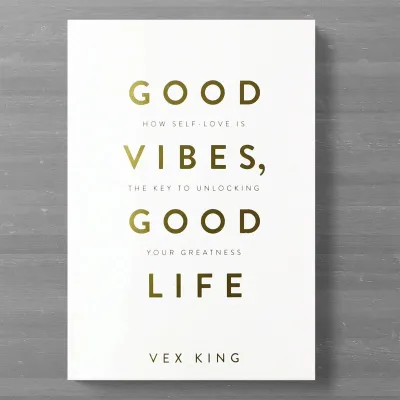
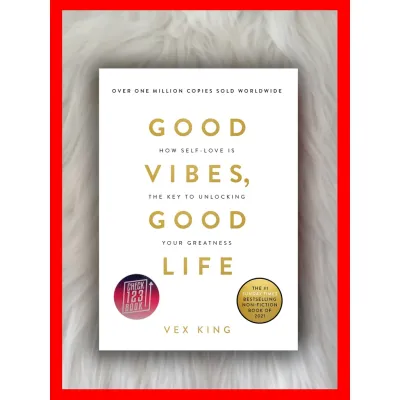
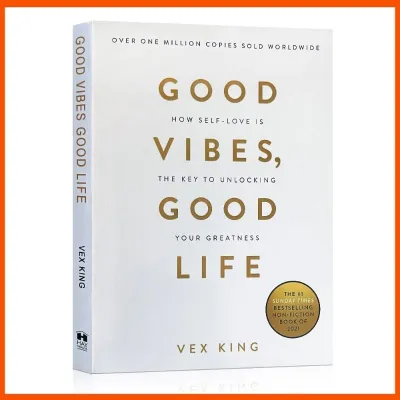
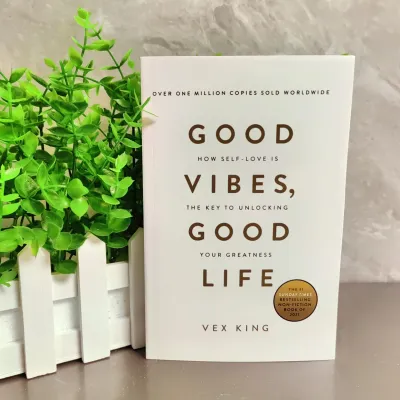
Prices are valid at publication and may change. Please refer to the product page for the latest price.
A significant portion of the text is dedicated to self-love, which the author presents as the foundation for all personal development. Rather than treating self-love as a vague concept, the book encourages readers to establish clear personal boundaries, distance themselves from toxic relationships, and practice self-acceptance. These themes are designed to help readers shift their mindset from self-criticism to self-empowerment.
Mindset shifts form another core pillar of the book. The text explores how changing your internal dialogue can alter your perception of external challenges. It emphasizes the importance of gratitude, positive affirmations, and conscious thought patterns in overcoming daily obstacles. These concepts are presented through a mix of motivational statements and short, digestible paragraphs.
While the book contains many spiritual and motivational claims, it also attempts to ground these ideas in everyday actions. However, readers should distinguish between the author’s philosophical assertions about energy and concrete, actionable advice. Much of the text relies on the premise that positive thinking leads to positive outcomes, which is a motivational framework rather than a scientifically proven guarantee.
The author blends personal anecdotes with general self-help principles to make the content relatable. By sharing personal struggles with adversity, exclusion, and self-doubt, the narrative seeks to build a sense of shared experience with the reader. This anecdotal style makes the philosophical concepts feel more approachable, though it may lack the depth required by readers looking for academic or clinical case studies.
Who Will Benefit Most from This Book
This book is particularly well-suited for individuals who are new to the self-help genre or those seeking an uplifting, easy-to-read motivational guide. If you are feeling overwhelmed by complex psychological jargon or dense academic texts, the straightforward language and positive tone of this book can provide a gentle introduction to mindset work. It serves as a comforting reminder to prioritize mental well-being and self-care.

Readers who appreciate visual layouts, short chapters, and inspirational quotes will likely find the format highly engaging. The book is structured to be read in small segments, making it convenient for busy schedules or daily reflection. If your goal is to find daily encouragement and simple reminders to stay positive, this text aligns well with those needs.
Conversely, those who are looking for rigorous scientific backing, empirical data, or advanced psychological frameworks may find the book less useful. The concepts presented do not rely on clinical research or peer-reviewed studies. If you prefer evidence-based cognitive behavioral techniques or structured therapeutic exercises, you might find the book’s reliance on the law of attraction and positive energy to be overly simplistic.
Your openness to concepts like manifestation and the law of attraction will heavily influence your reading experience. If you are highly skeptical of spiritual or metaphysical explanations for personal success, you may struggle to connect with the core message. However, if you are willing to view these concepts as metaphorical tools for focus and goal-setting, you can still extract practical value from the text.
Ultimately, matching your current self-improvement stage with the book’s style is essential. Beginners will find a welcoming starting point, while seasoned readers of personal development literature may find that the book covers familiar ground without offering new or deeper insights.
Evaluating the Practical Value and Actionable Steps
To determine if this book is worth your time, it is helpful to evaluate the specific exercises and tools it suggests. The text provides several practical methods designed to help readers implement its philosophy. These include visualization techniques, the repetition of positive affirmations, and simple journaling prompts focused on gratitude and self-reflection.
When testing these methods in your own life, it is important to establish realistic criteria for success. Mindset exercises are tools for shifting focus and managing daily stress, rather than magic solutions for systemic or complex life challenges. For example, practicing gratitude journaling can help you notice positive aspects of your day, but it should not be expected to produce immediate, external life changes.
It is crucial to differentiate between inspirational messaging and verifiable, step-by-step habit-building strategies. The book excels at providing inspiration, but it offers fewer detailed instructions on how to build long-term habits or overcome deep-seated behavioral patterns. Readers looking to establish lasting routines may need to supplement this book with more structured goal-setting frameworks.
To get the most practical value from the text, consider treating the suggestions as daily experiments. You can try incorporating a five-minute gratitude practice or a brief visualization exercise into your morning routine for a few weeks. Observe how these practices affect your mood and focus, and adjust them to fit your personal lifestyle without feeling pressured to adopt every concept literally.
By focusing on the observable effects of these small practices, you can find a balance between the book’s optimistic philosophy and the practical realities of your daily life. This approach allows you to benefit from the motivational aspects of the book while maintaining a realistic perspective on personal growth.
How to Decide Whether to Buy or Skip It
When deciding whether to purchase Good Vibes, Good Life, your choice of format can play a significant role in your overall experience. The physical edition is often appreciated for its aesthetic design, clear typography, and layout, which make it easy to flip through for quick inspiration. If you prefer digital reading, the e-book format offers portability, while the audiobook version, narrated by the author, can provide a more personal and conversational tone.
Before making a purchase, it is highly recommended to check regional availability and specific edition details at your local bookstore or preferred online marketplace. Prices can vary, with physical copies typically retailing around S$15 to S$25 depending on the retailer and binding. To ensure the author’s writing style resonates with you, consider sampling a free chapter preview or listening to an audiobook sample online.
If you prefer highly structured, evidence-based methodologies over motivational narratives, you might want to explore alternative self-help approaches. Books focusing on Cognitive Behavioral Therapy (CBT) principles, habit formation, or mindfulness-based stress reduction offer different paths to personal growth. These alternatives often provide more detailed, step-by-step instructions and are backed by empirical psychological research.
Ultimately, the decision to buy or skip this book comes down to your personal readiness and what you hope to achieve. If you are looking for a light, encouraging read to boost your daily morale and introduce you to basic self-love concepts, it is a worthwhile investment. If you are seeking deep psychological analysis or structured behavioral training, you may want to skip this title in favor of more clinical resources.
Frequently Asked Questions (FAQ)
Is Good Vibes, Good Life suitable for teenagers or young adults?
Yes, the book is highly suitable for teenagers and young adults due to its accessible language and relatable themes. The writing style is straightforward, avoiding complex academic terminology, which makes it easy to comprehend. However, because the book touches on themes of personal responsibility, life choices, and managing difficult relationships, younger readers may benefit from discussing these concepts with a parent or guardian to help put the advice into a broader life context.
Do I need prior knowledge of manifestation or spirituality to understand it?
No prior knowledge of manifestation, spirituality, or self-help literature is required to understand this book. The author introduces these concepts from the ground up, explaining them in simple terms that are easy for beginners to grasp. If you are entirely new to these ideas, you can approach the text with an open mind, treating the concepts as practical tools for focus and self-reflection rather than complex philosophical doctrines.
Community discussion
Share your experience or ask a question. Comments are reviewed before publication.