
Quick Answer: Which Guitar Seating Option Should You Choose?
Finding the right guitar chair depends on your instrument, playing technique, and practice habits. If you play classical guitar and follow traditional methods, pairing a portable footstool with a firm, armless chair is the standard approach to achieve the necessary neck angle.
For those who play acoustic, electric, or bass guitars for extended periods, a dedicated, height-adjustable guitarist stool with integrated footrests and back support offers the best ergonomic versatility. This setup helps maintain a neutral spine and adapts easily to different instrument shapes.
If you prefer a budget-friendly or space-saving option, a regular armless household chair can work well. However, it must meet strict criteria, including a flat seat pan and a height that allows your feet to rest completely flat on the floor.
Products mentioned in this guide
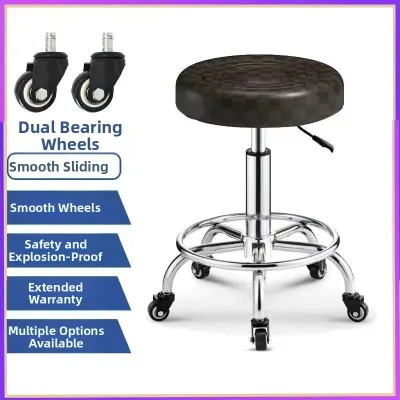
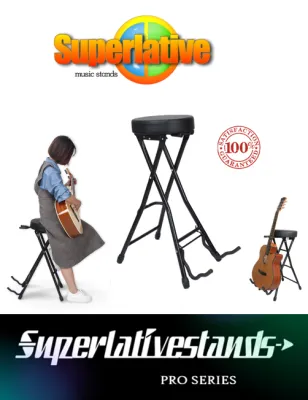
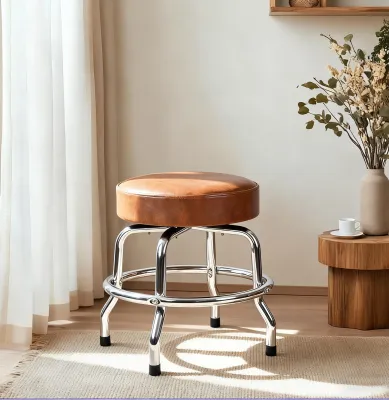
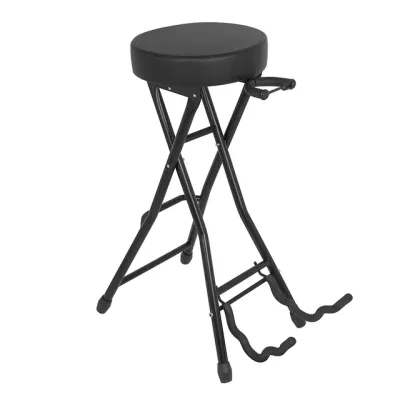

Prices are valid at publication and may change. Please refer to the product page for the latest price.
Assessing Your Playing Style and Posture Needs
Before choosing a seating option, you must evaluate your primary instrument and how you hold it. A classical guitar is traditionally rested on the left thigh (for right-handed players) with the neck angled upward, requiring a raised leg. In contrast, acoustic and electric guitars are typically rested on the right thigh or supported by a strap, which demands a different pelvic alignment and seat height.

Ignoring your seating posture can lead to physical strain over time. Common warning signs of poor ergonomics include lower back stiffness, tension in the shoulders, and fatigue in the fretting wrist. These issues often stem from slouching, twisting your torso, or sitting on a surface that is too soft or too high.
Your practice environment and routine also dictate the best seating format. If you practice in a compact space, such as a typical Singapore HDB study room, a folding stool or a multi-purpose armless chair is highly practical. Conversely, if you perform live or record in a dedicated home studio, stability, robust build quality, and integrated foot support become your top priorities.
Guitar Footstools: Elevating the Leg for Classical Technique
A guitar footstool is a small, adjustable platform placed under the foot of your fretting-side leg. By elevating this thigh, the footstool naturally cradles the lower bout of a classical guitar, tilting the neck upward at roughly a 45-degree angle. This elevation brings the fretboard closer to eye level, allowing your fretting hand to access the higher frets without bending your wrist awkwardly.
To use a footstool effectively, you must pair it with a firm, flat, armless chair. If the chair seat is too soft or slopes backward, your pelvis will tilt, neutralizing the ergonomic benefits of the footstool. The chair height should allow your non-elevated leg to rest flat on the floor, keeping your hips relatively stable.
While footstools are highly portable and affordable, they do have physical limitations. Elevating one leg forces your pelvis into an asymmetrical position, which can place uneven pressure on your lower lumbar spine during long sessions. To minimize discomfort, classical players should take regular breaks to stretch and realign their posture.
Guitarist Stools: Ergonomic Support for Modern Playing
Dedicated guitarist stools are engineered specifically to address the physical demands of long playing sessions. Most models feature height-adjustment mechanisms, allowing you to set the seat so your thighs are parallel to the floor or angled slightly downward. This flexibility ensures your arms align naturally with the guitar body, reducing shoulder strain.
Many professional guitarist stools include built-in footrests or foot rings. These supports are essential when using taller stools, as they prevent your legs from dangling, which can restrict circulation and strain the lower back. Some stools also feature adjustable backrests that provide targeted lumbar support, helping you maintain a neutral spine.
When selecting a stool, pay close attention to the base design and materials. A wide, heavy-duty metal base ensures the stool will not tip when you shift your weight while playing. Additionally, if you have parquet or vinyl flooring in your home, verify that the stool feet are equipped with non-slip, non-marring rubber caps to prevent scratches.
In humid climates like Singapore, material choice is also a key durability factor. While faux leather is common, it can trap heat and peel over time in humid conditions. Opting for breathable mesh or high-quality fabric upholstery can offer better long-term comfort and durability.
Regular Armless Chairs: Adapting Everyday Furniture
You do not always need to buy specialized music furniture; many standard household chairs can serve as excellent guitar chairs. The most critical requirement is the complete absence of armrests. Armrests physically block the lower bout of the guitar and restrict your elbow movement, forcing you to sit forward or twist your spine to play.
The seat pan of the chair must be flat and firm. Cushioned sofas, deep lounge chairs, and plush office chairs are unsuitable because they cause your pelvis to sink. This sinking action rounds your lower back, pulls your shoulders forward, and makes it incredibly difficult to maintain a clean fretting technique.
To verify if a household chair is suitable, sit on it with your instrument and perform a quick check. Your feet should rest flat on the floor with your knees bent at a 90-degree angle. Ensure you can move your fretting arm freely along the entire length of the neck without your elbow bumping into the backrest or frame of the chair.
Comparison Matrix: Matching Seating to Your Setup
The table below summarizes how each seating option performs across key usability and ergonomic criteria. Use this matrix to narrow down your choices based on your primary instrument and practice habits.
| Seating Option | Best For | Posture Impact | Adjustability | Key Verification Checks |
|---|---|---|---|---|
| Footstool + Standard Chair | Classical guitarists, traditional technique, budget setups | Elevates one leg; can cause mild pelvic asymmetry over long sessions | Height adjustable (footstool only) | Ensure the companion chair is firm, armless, and flat |
| Dedicated Guitarist Stool | Acoustic/electric players, home studios, long practice sessions | Supports a neutral spine; integrated footrests reduce lower back strain | Highly adjustable (seat height, footrest, backrest) | Check base stability, floor protection, and material breathability |
| Regular Armless Chair | Casual players, multi-purpose rooms, budget-conscious setups | Good if firm and flat; poor if too deep or heavily cushioned | None (fixed height) | Confirm complete absence of armrests and check seat-to-floor height |
Note: Specific dimensions, weight capacities, and material specifications vary widely by brand. Always verify these details on the manufacturer’s product label or official specification sheet before purchasing.
Final Verification: Testing and Adjusting Your Setup
Once you have chosen your seating arrangement, use this step-by-step checklist to test and fine-tune your posture. Sit with your guitar in your normal playing position and observe your body’s alignment:
- Foot Placement: Your feet must rest securely on the floor or the footrest. They should not dangle, hover, or press down with excessive force.
- Leg Angle: Your thighs should be parallel to the floor or angled slightly downward. If your knees are positioned higher than your hips, the seat is too low.
- Spine Alignment: Keep your spine in a neutral, upright position. Your ears should align vertically over your shoulders, and you should avoid leaning forward to look at the fretboard.
- Arm and Shoulder Freedom: Relax your shoulders. Your fretting hand should reach the neck easily without your shoulder hiking upward, and your strumming arm should rest comfortably on the upper bout of the guitar.
If you experience persistent pain, numbness, or tingling in your back, shoulders, or wrists despite making these adjustments, stop playing immediately. These symptoms can indicate underlying strain, and you should consult a medical or ergonomic professional for personalized guidance.
Frequently Asked Questions (FAQ)
Do I need a special guitar chair if I only play casually?
If you only play casually for short sessions of 15 to 30 minutes, a standard household armless chair is usually perfectly adequate. You do not need to purchase dedicated music furniture as long as the chair allows you to sit upright with your feet flat on the floor. However, if you begin to practice daily, extend your sessions, or experience physical discomfort, upgrading to a dedicated stool or adding a footstool is a smart investment to protect your posture.
Can I use a footstool with an electric guitar?
While you can technically use a footstool with an electric guitar, it is rarely recommended. Electric guitars have thinner, heavier solid bodies compared to classical guitars, and they are designed to be played either standing with a strap or seated with the instrument resting on your right thigh. Elevating your left leg with a footstool can cause a heavy electric guitar to slide awkwardly or place uncomfortable pressure on your thigh. For electric players, a height-adjustable stool with a built-in footrest is a much more stable and ergonomic choice.
Community discussion
Share your experience or ask a question. Comments are reviewed before publication.